
Should We, and Who Decides?
This reading contains every idea and every piece of evidence needed for today's decision. The research links at the end are optional.
Why this matters
Biomedical expertise includes knowing who should decide, not only what can be done.
The question you are trying to answer
Who experiences the benefits and risks?
Begin with the idea you already earned
Gene editing, pathway rescue, and gene-dosage modulation are different strategies with different targets and risks.
Study the analogy before the biology
- Who experiences the benefits and risks?
- Which voices are missing if only engineers decide?
- How does an irreversible choice change the process?
Turn the analogy into three rules
Limit: Human genetic intervention has deeper identity and heritability questions than infrastructure planning.
Map those rules onto the biology
Somatic editing affects treated cells in one person. Germline editing can pass changes to future generations.
Beneficence asks about benefit; nonmaleficence asks about harm; autonomy asks who chooses; justice asks who gains access.
Cleft care already includes effective surgery and team support. New interventions must be compared with those options and shaped with affected communities.
Read Mateo's labeled case evidence
Cleft lip and palate already have effective multidisciplinary treatments, though access is unequal.
A genetic intervention must be compared with real alternatives.
Germline editing could affect future generations who cannot consent.
Heritability changes the ethical stakes.
Access to cleft care and new technology is uneven.
Equity is part of benefit and harm.
Make the concrete decision
You are chairing a future hospital ethics panel.
A proposed germline intervention may reduce cleft risk but has uncertain off-target effects and high cost.
- Pause approval and require stronger safety, governance, community input, and access planning.
- Approve because editing is technically possible.
- Exclude people born with clefts from the discussion.
Choose the panel decision and cite two ethical dimensions.
Claim ceiling: You may reason from the supplied case. You may not claim one universal moral answer for every family or future technology.
Write the 10-year takeaway
An ethical decision weighs benefit, harm, autonomy, heritability, access, and alternatives before technical possibility.
- Why is germline editing ethically different?
- How does existing care change the benefit-harm comparison?
Glossary in plain English
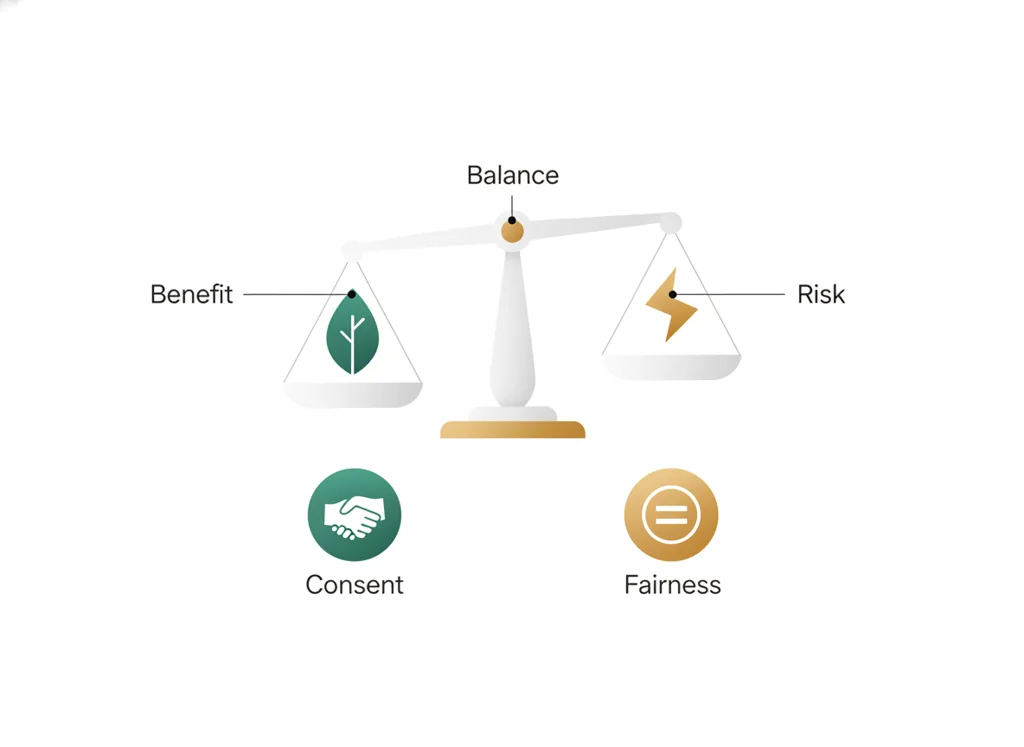
The study of what we should and should not do in medicine and research, weighing benefit, risk, consent, and fairness.
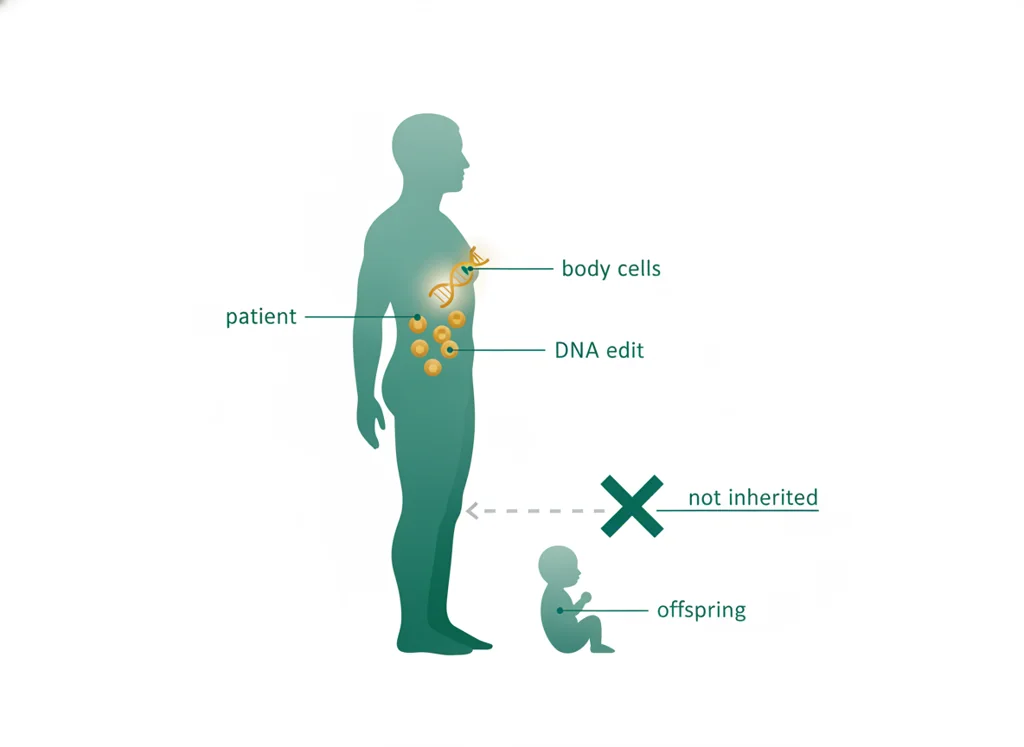
Editing the DNA of one patient's body cells to treat a condition, with the change not passed on to their children.
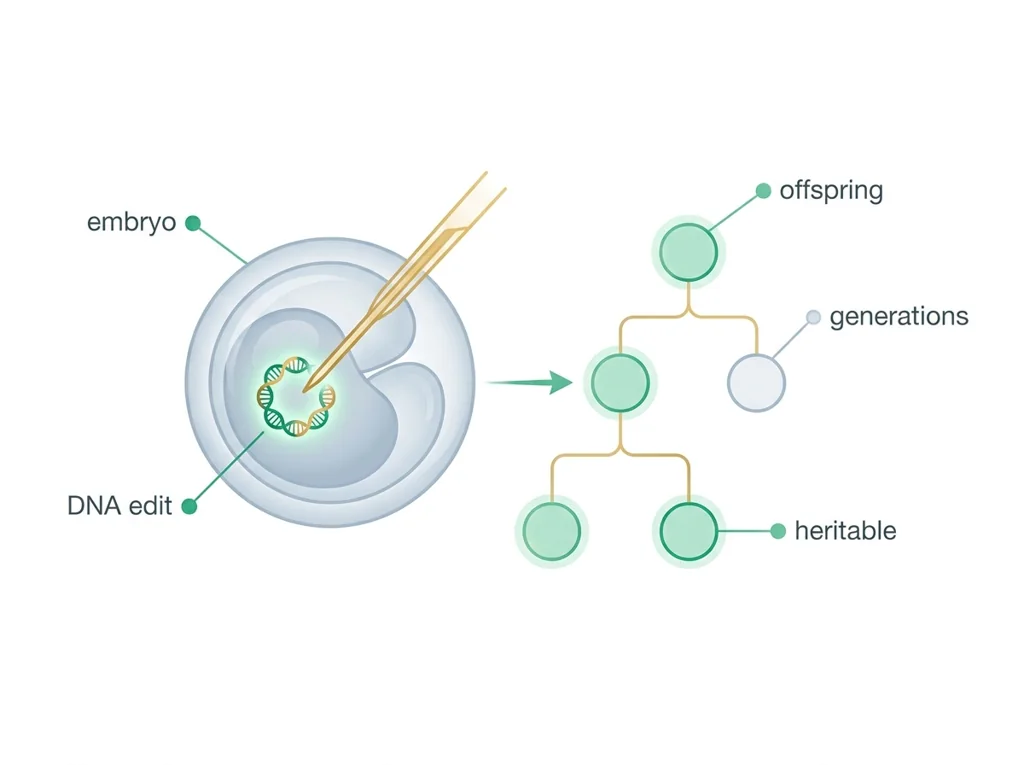
Changing the DNA of eggs, sperm, or embryos so the edit can be inherited by future generations, which is ethically restricted.
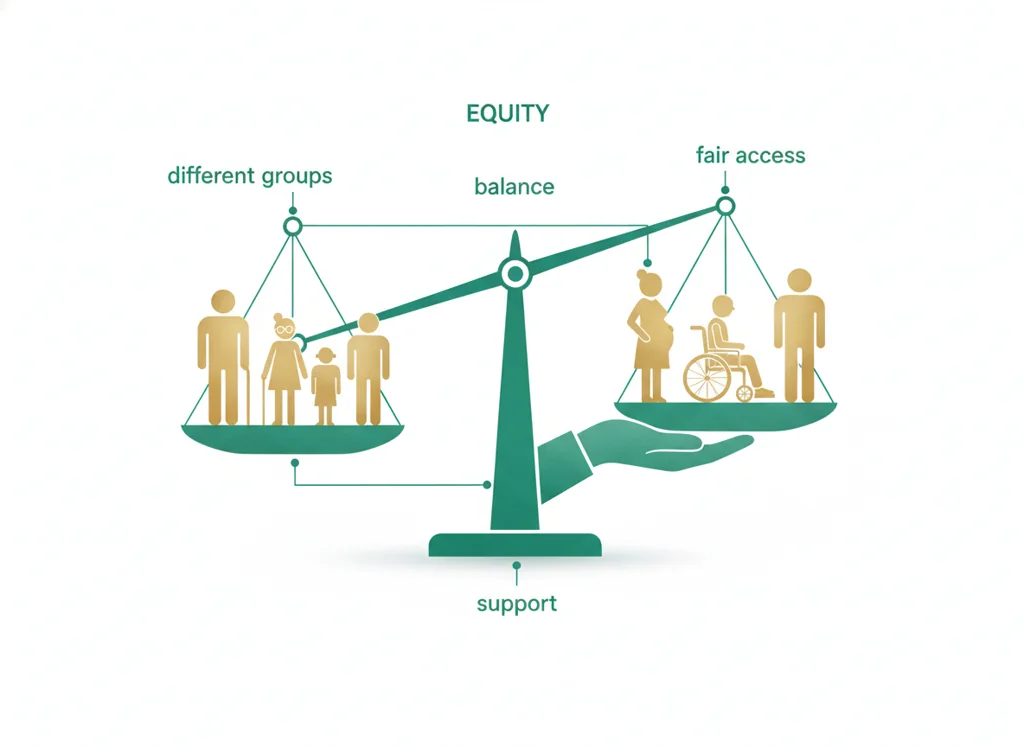
The bioethics principle that the benefits, risks, and access of research and care should be shared fairly across all groups of people.
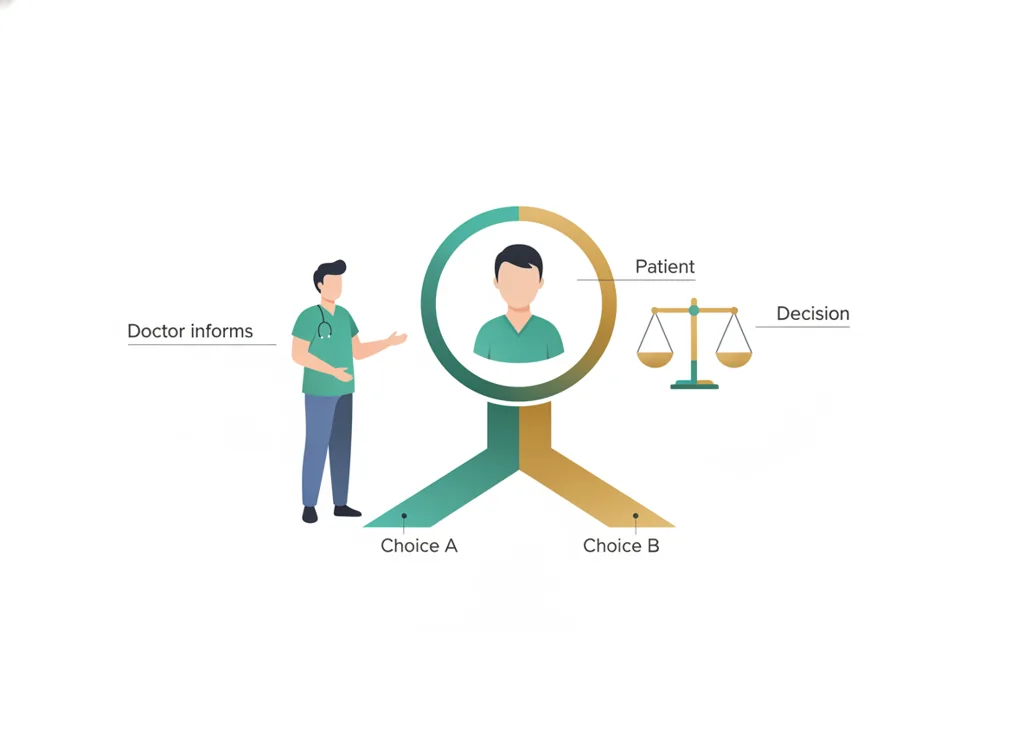
A patient's right to make their own informed decisions about their care, a core principle of bioethics and one of the hardest to honor.
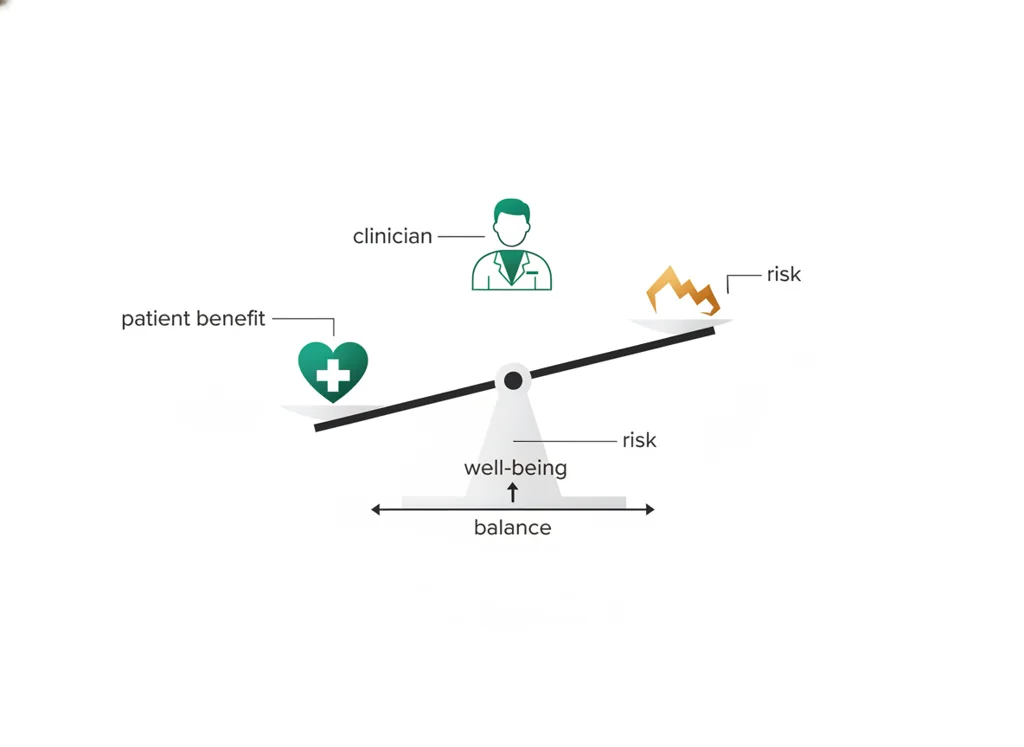
The bioethics principle of acting to benefit the patient and promote their well-being, weighing likely good against possible harm.
Research citation trail (advanced)
You do not need these papers or database records to finish the lesson. They document where the plain-language explainer's claims come from and are intended for teachers or advanced readers.
- Babai & Irving 2023, Orofacial Clefts: management and surgical treatment (Genes)
- Wolfswinkel et al. 2022, AI-AN access to comprehensive cleft treatment (Cleft Palate Craniofac J)
- Kousa et al. 2017, somatic vs germline framing in IRF6 rescue (Dev Dyn)
- Leslie et al. 2012, IRF6 penetrance and counseling context (Genet Med)