
Can We Fix the Code?
This reading contains every idea and every piece of evidence needed for today's decision. The research links at the end are optional.
Why this matters
Students need to separate exciting mechanism from clinical readiness.
The question you are trying to answer
Which repair changes the original code?
Begin with the idea you already earned
Recurrence counseling uses empiric family data and uncertainty; it gives a range, not a promise.
Study the analogy before the biology
- Which repair changes the original code?
- Which repair changes output without rewriting?
- Which repair may work only during one window?
Turn the analogy into three rules
Limit: Embryos and genes are not software, and biological repairs can affect many tissues.
Map those rules onto the biology
CRISPR changes DNA sequence. Gene-dosage strategies change how much product is made. Pathway rescue supplies or changes a downstream signal.
All three require a target tissue, delivery method, dose, and developmental window.
Animal rescue can support mechanism. Human use requires extensive safety, effectiveness, ethical, and regulatory evidence.
Read Mateo's labeled case evidence
Animal studies have rescued some cleft-related model phenotypes through pathway or gene restoration.
Preclinical proof of mechanism exists.
The face forms during early, short developmental windows.
Delivery would need precise timing and tissue targeting.
No established prenatal gene-editing treatment prevents common human cleft lip and palate.
Clinical readiness is not established.
Make the concrete decision
You are evaluating a startup claim.
The company says animal rescue results mean fetal CRISPR for clefts is clinic-ready.
- Reject clinic-ready language and list delivery, timing, safety, and evidence gaps.
- Approve the claim from animal rescue alone.
- Say all preclinical work is meaningless.
Choose the evaluation and cite mechanism evidence plus readiness limits.
Claim ceiling: You may compare preclinical strategies. You may not claim an available or proven human prenatal treatment.
Write the 10-year takeaway
Gene editing, pathway rescue, and gene-dosage modulation are different strategies with different targets and risks.
- How do the three strategies differ?
- What four gaps block a clinic-ready claim?
Glossary in plain English
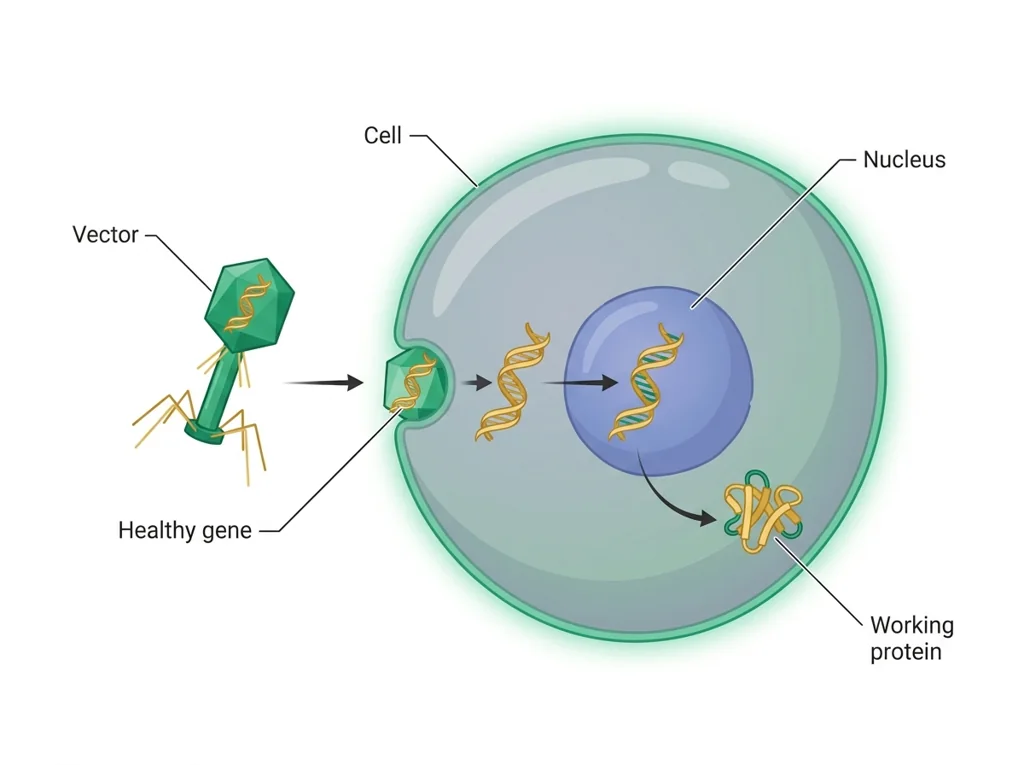
Treating disease by adding, silencing, or correcting a gene in a patient's cells.
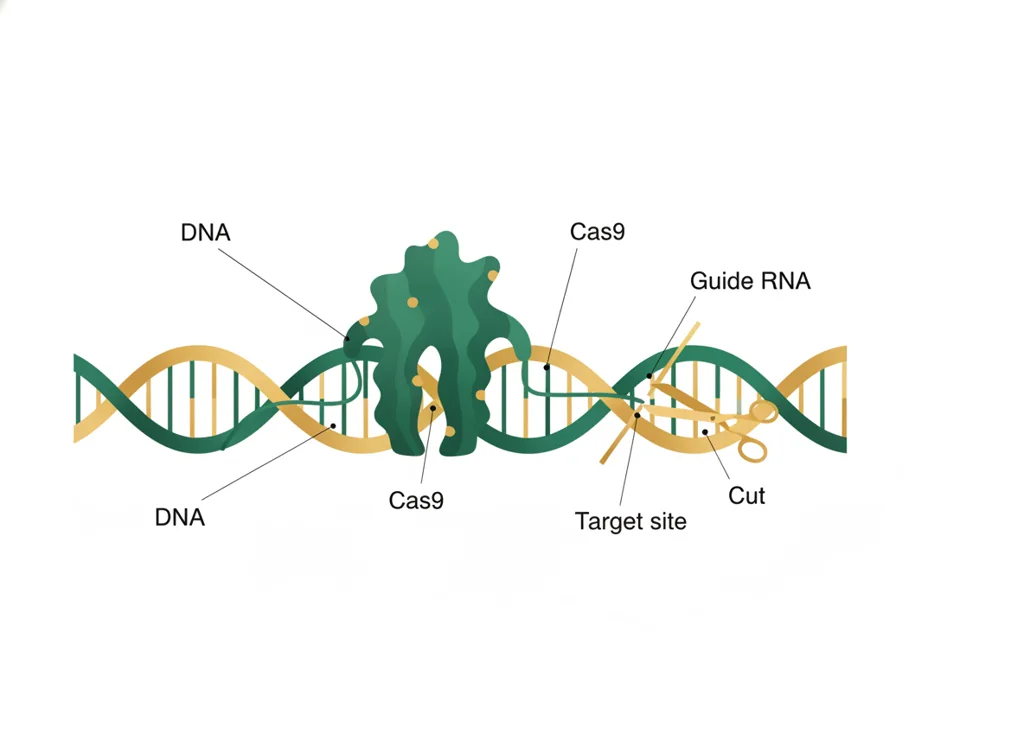
A gene-editing tool that uses a guide RNA to bring the Cas9 protein to a chosen DNA site and cut it so the sequence can be changed.
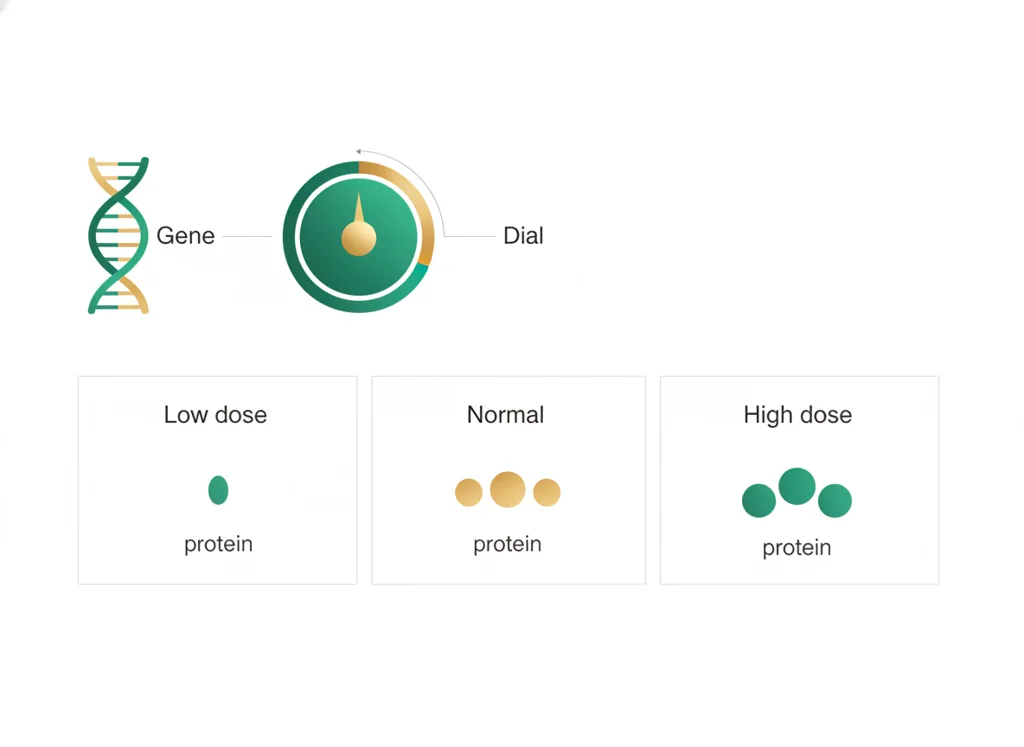
Tuning how much product a gene makes, raising or lowering it, as a possible way to treat or prevent a condition.
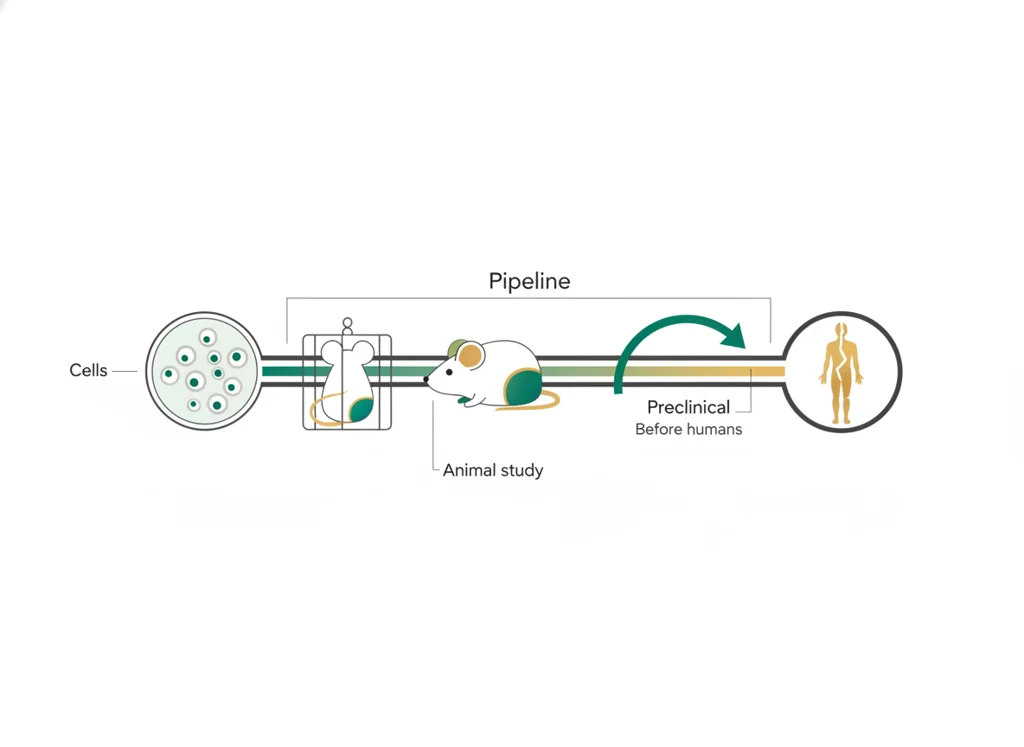
Research done in cells and animals to test safety and effect before a treatment is ever tried in people.
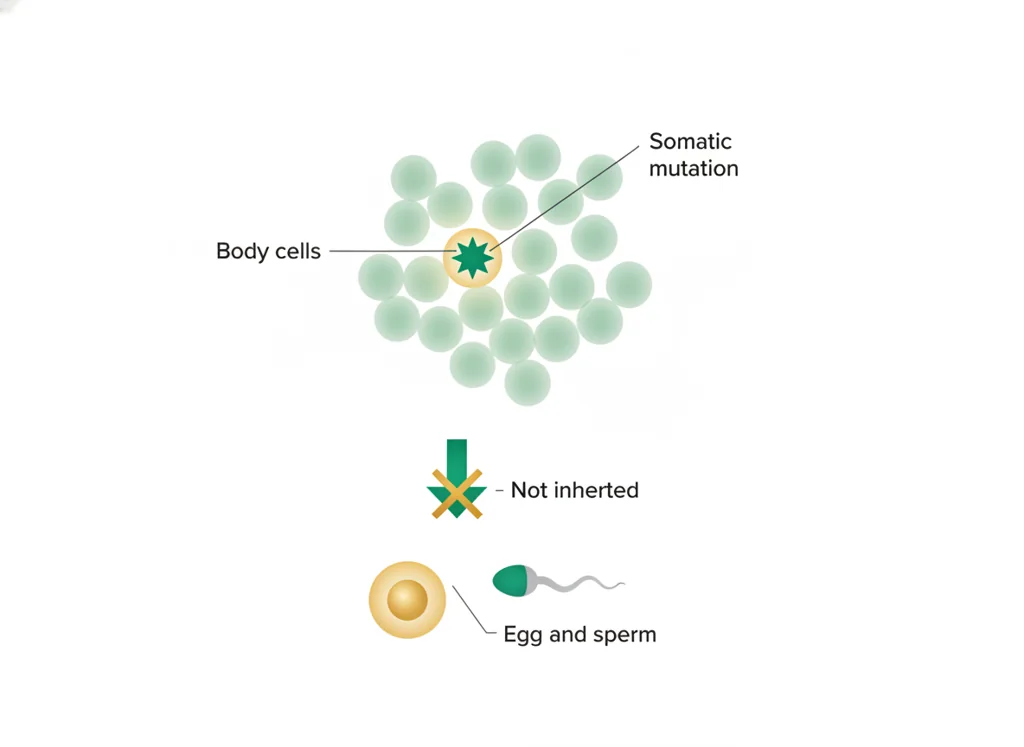
Relating to the ordinary body cells other than egg and sperm; changes in these cells affect only the individual and are not inherited.
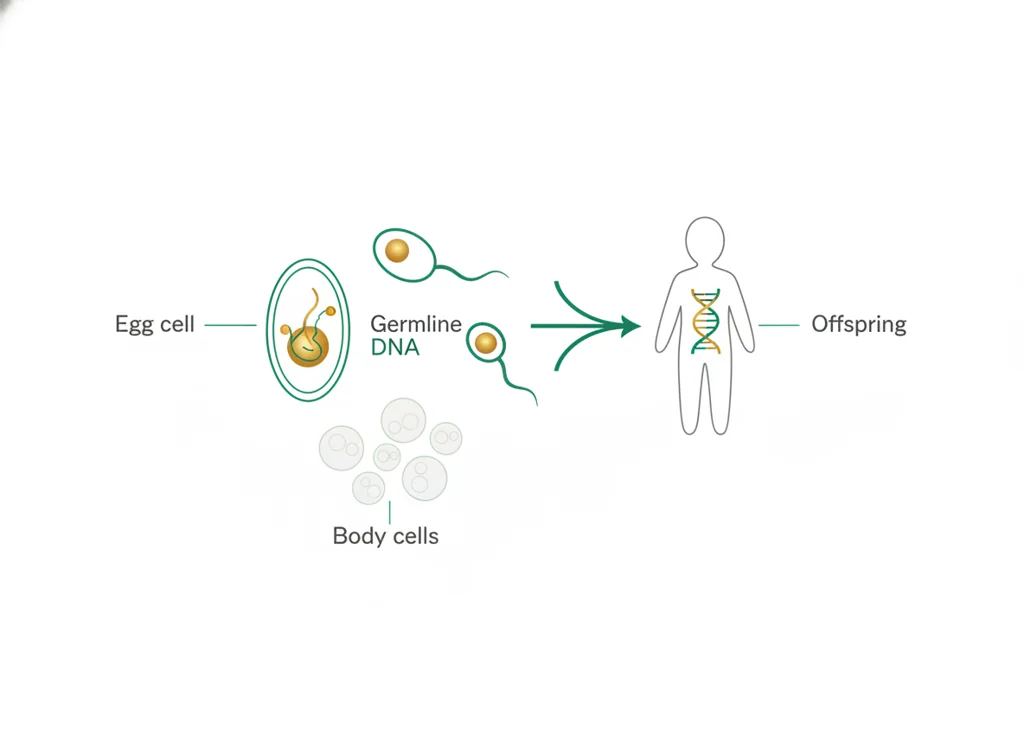
The egg, sperm, and the cells that make them; changes in these cells can be passed to a person's children.
Research citation trail (advanced)
You do not need these papers or database records to finish the lesson. They document where the plain-language explainer's claims come from and are intended for teachers or advanced readers.
- Jia et al. 2017, Wnt agonists correct cleft palates in Pax9 mutant mice in utero (Development)
- Taya et al. 1999, Pathogenesis of cleft palate in Tgfb3 knockout, ex-vivo rescue (Development)
- Kousa et al. 2017, IRF6 partial rescue in Irf6 knockout mice (Dev Dyn)
- Babai & Irving 2023, Orofacial Clefts: management of CL/P (Genes)