
How Do We Prove the Gene Causes It?
This reading contains every idea and every piece of evidence needed for today's decision. The research links at the end are optional.
Why this matters
Families deserve evidence that separates a true cause from a change that only happened to be present.
The question you are trying to answer
How can scientists show that one changed instruction caused a problem instead of just being there too?
Begin with the idea you already earned
The IRF6 network helps oral epithelial cells form periderm, preventing wrong adhesions before correct fusion.
Study the analogy before the biology
- Which comparison shows necessity?
- Which comparison tests sufficiency or rescue?
- Why might a partial rescue still teach mechanism?
Turn the analogy into three rules
Limit: Genes act in networks and tissues, so restoration can be incomplete.
Map those rules onto the biology
A knockout removes or disables a gene in a model. If the predicted defect appears, the gene is necessary for the tested process.
A rescue restores the gene or pathway. Partial rescue can show that the restored tissue matters while other requirements remain.
IRF6 rescue evidence is preclinical and does not establish prenatal therapy for people.
Read Mateo's labeled case evidence
Irf6 knockout models develop abnormal epithelium, oral adhesions, and cleft palate.
Loss of function produces the predicted phenotype.
Restoring epithelial IRF6 reduces some adhesions but does not fully rescue every defect.
The rescue supports an epithelial role and reveals limits.
Zebrafish rescue experiments add evidence in a second model.
Cross-model replication strengthens the mechanism while remaining preclinical.
Make the concrete decision
You are judging whether the rescue proves complete correction.
The rescue group has fewer adhesions but still has cleft palate in several regions.
- Call it a partial mechanistic rescue.
- Call it a complete cure.
- Ignore the improvement because it was incomplete.
Choose the verdict and cite both improvement and remaining phenotype.
Claim ceiling: You may support causation and a tissue role. You may not claim complete rescue or human treatment.
Write the 10-year takeaway
Knockout and rescue experiments strengthen causation when loss creates a defect and restoration reverses part of it.
- What does knockout test?
- Why is a partial rescue still informative?
Glossary in plain English
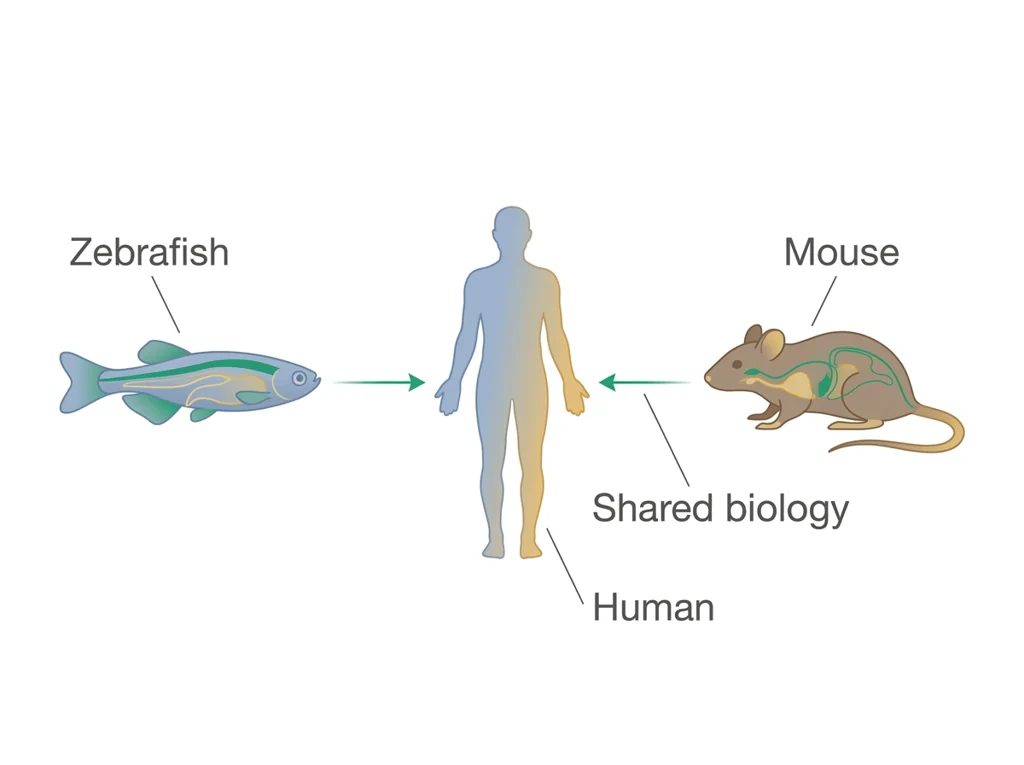
A species, such as zebrafish or mouse, studied because its biology is similar enough to ours to teach us about human development and disease.
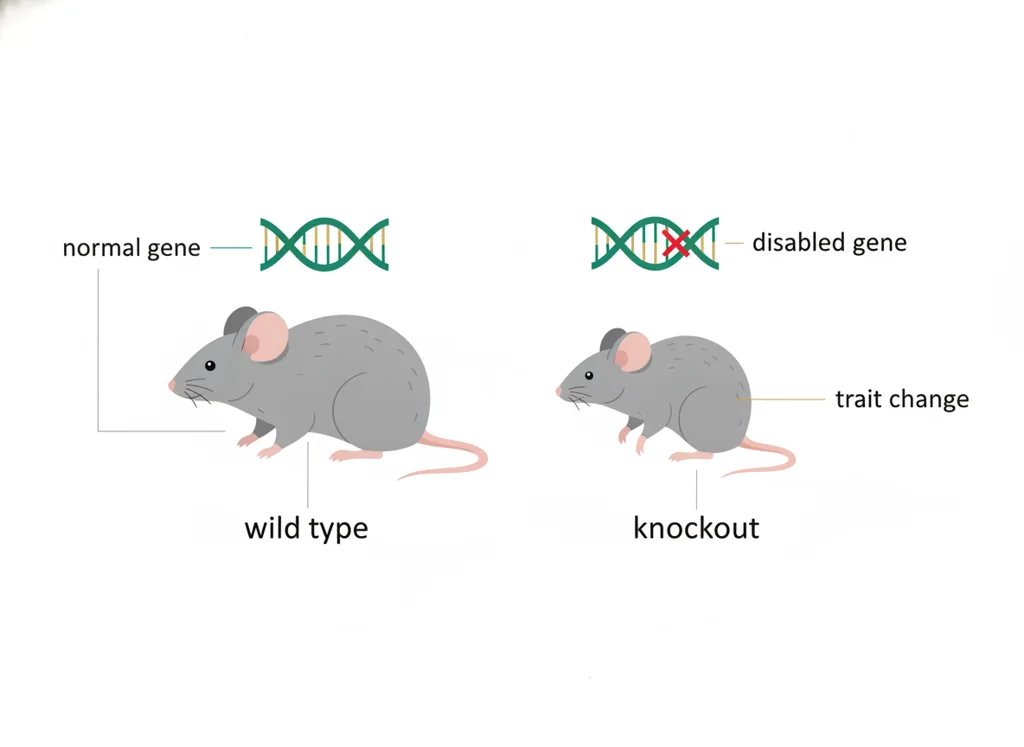
An organism or cell engineered to have a specific gene switched off, used to reveal what that gene normally does.
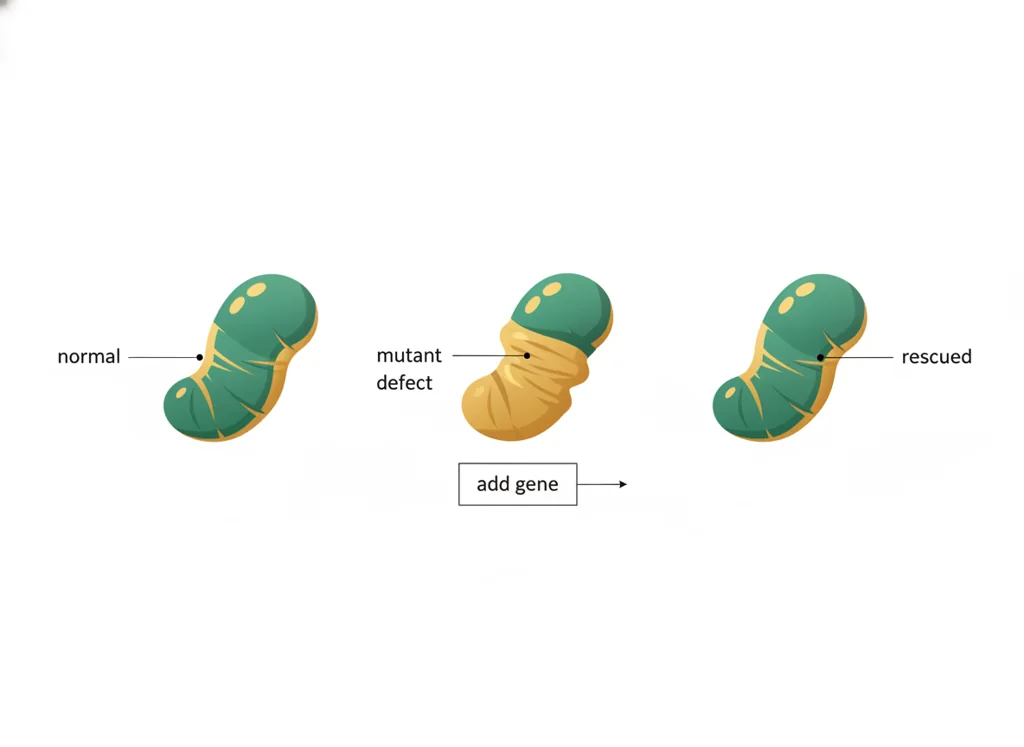
Adding a working gene back into a mutant to see if it restores the normal trait, which proves that gene was responsible.
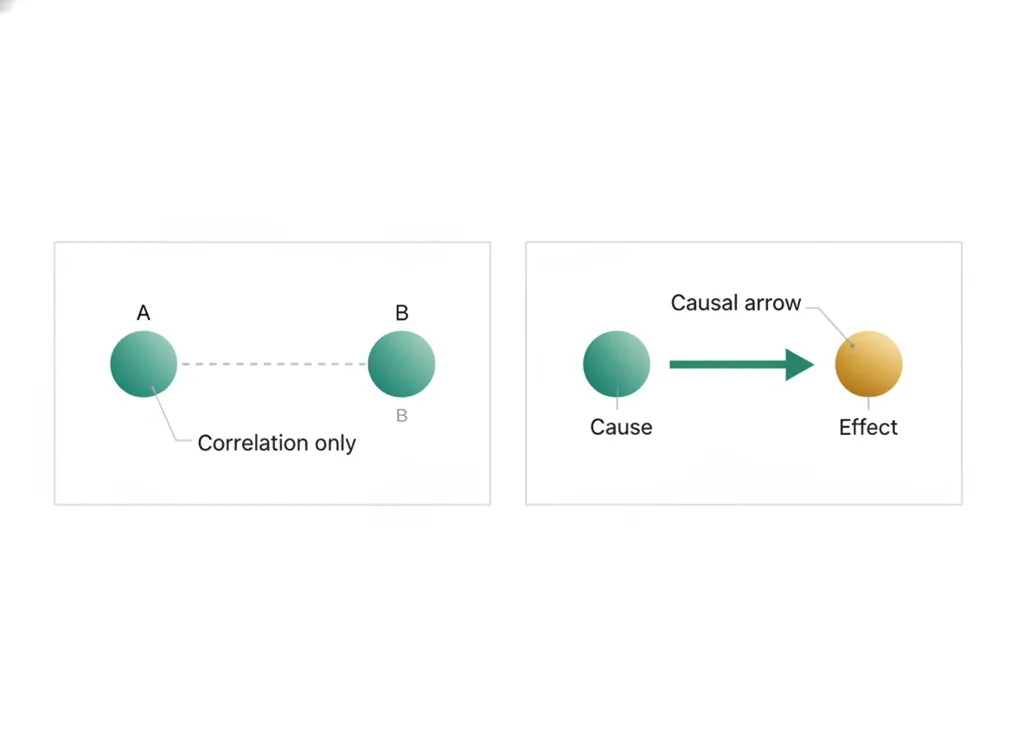
When one factor actually brings about another, shown by controlled evidence rather than by the two simply appearing together.
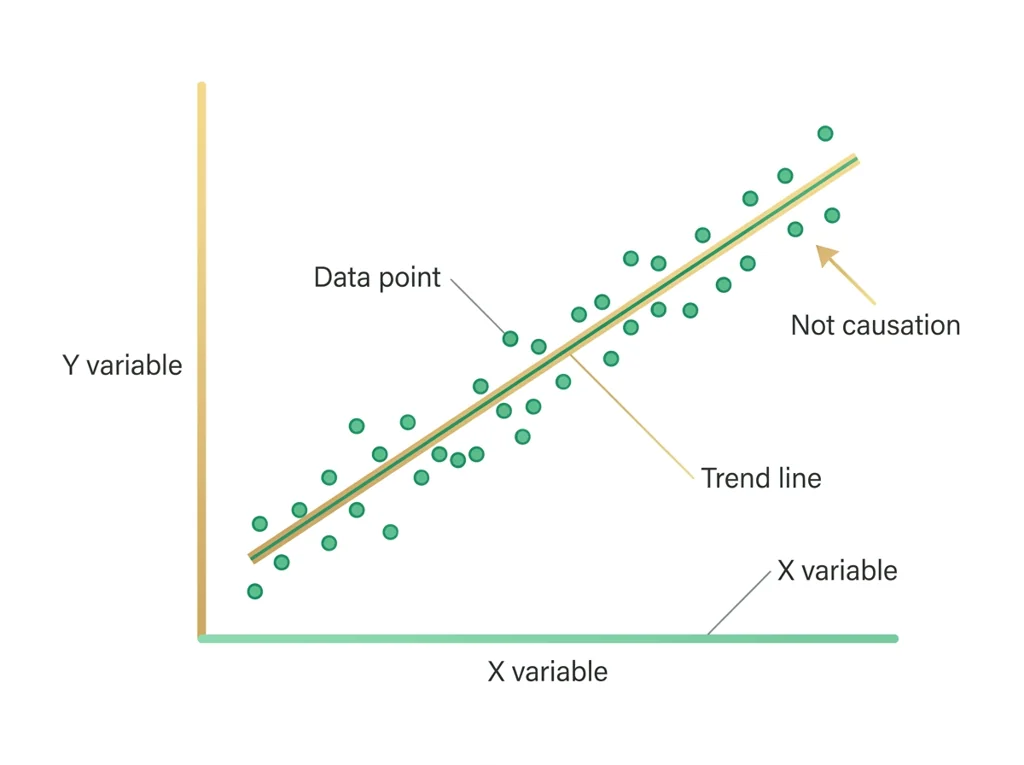
Two things tending to occur together, which does not by itself prove that one causes the other.
Research citation trail (advanced)
You do not need these papers or database records to finish the lesson. They document where the plain-language explainer's claims come from and are intended for teachers or advanced readers.