
Does IRF6 Work Alone?
This reading contains every idea and every piece of evidence needed for today's decision. The research links at the end are optional.
Why this matters
For most children born with a cleft, there is no one cause, because different starting points can reach the same ending.
The question you are trying to answer
How can breaks in different instructions end in the same kind of cleft?
Begin with the idea you already earned
A missense variant matters when its side-chain change disrupts a specific protein interaction or fold.
Study the analogy before the biology
- Who acts before the middle runner?
- Which handoff could stop the same finish?
- Why would two different failed runners create similar outcomes?
Turn the analogy into three rules
Limit: Gene networks branch, feed back, and vary by tissue, unlike a straight relay.
Map those rules onto the biology
Transcription factors work in networks. Upstream signals affect IRF6, and IRF6 helps regulate other differentiation genes.
GRHL3, KLF4, and KLF17 are examples of connected genes in oral epithelial development.
Because different nodes can affect the same pathway, a negative IRF6 result does not erase a strong phenotype.
Read Mateo's labeled case evidence
p63 and TGF-beta signaling influence IRF6 expression or activity in oral epithelium.
IRF6 has upstream regulators.
IRF6 promotes GRHL3, KLF4, and KLF17-related differentiation programs.
IRF6 connects to downstream targets.
GRHL3 variants can also cause Van der Woude-like phenotypes.
Different network nodes can converge on similar outcomes.
Make the concrete decision
You are explaining a negative IRF6 test in a family with lip pits and clefting.
IRF6 sequencing is negative, but the phenotype remains strongly suggestive of the network.
- Consider other connected genes and broader testing.
- Conclude the phenotype is impossible.
- Invent an IRF6 variant.
Choose the next genetic strategy and cite network convergence.
Claim ceiling: You may broaden the candidate network. You may not diagnose a specific second gene without evidence.
Write the 10-year takeaway
IRF6 works in a regulatory network, so similar phenotypes can arise when different connected genes fail.
- What do upstream and downstream mean?
- Why can different genes produce similar phenotypes?
Glossary in plain English
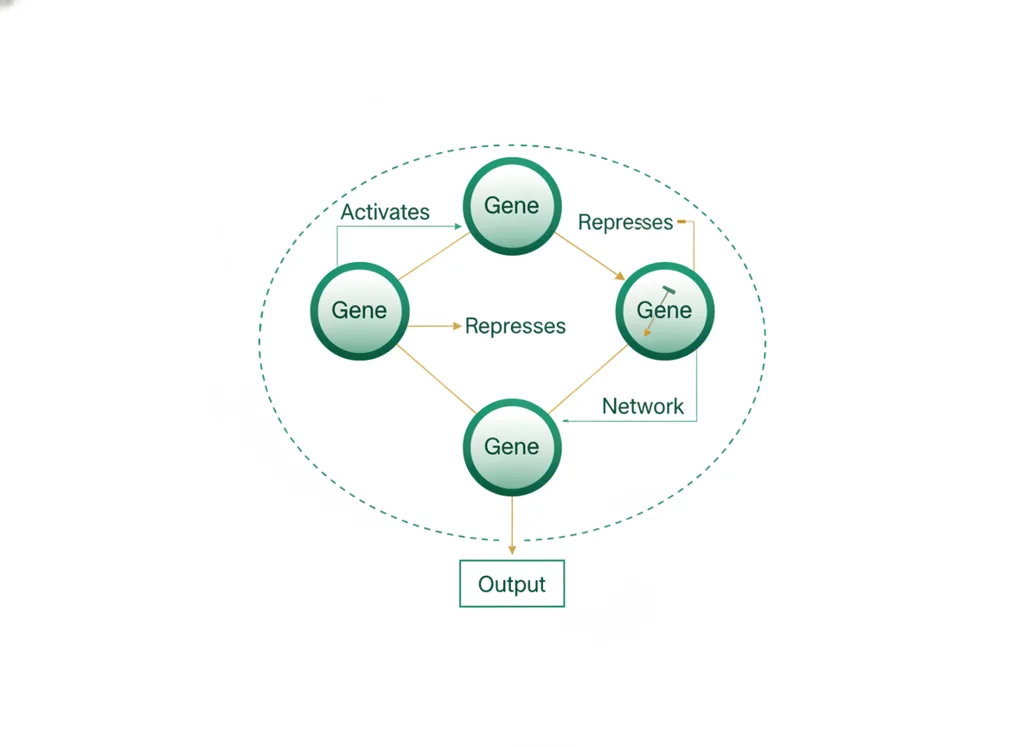
The web of genes that turn each other on and off to control a process such as palate fusion.
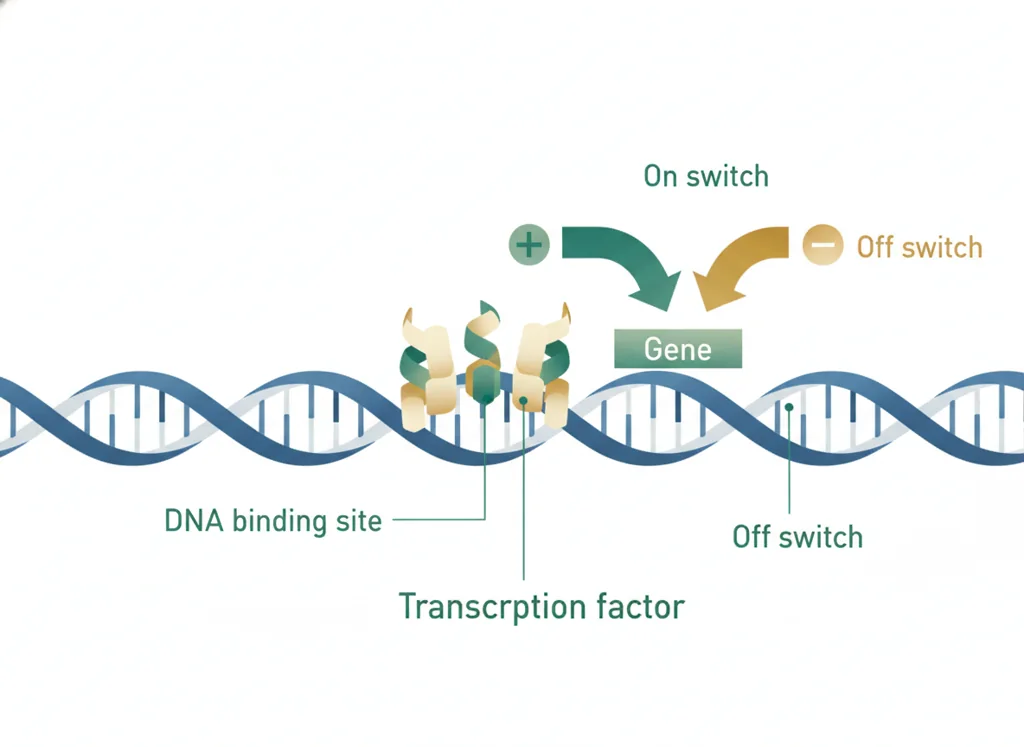
A protein that binds DNA and turns specific genes on or off, controlling what a cell becomes and does.
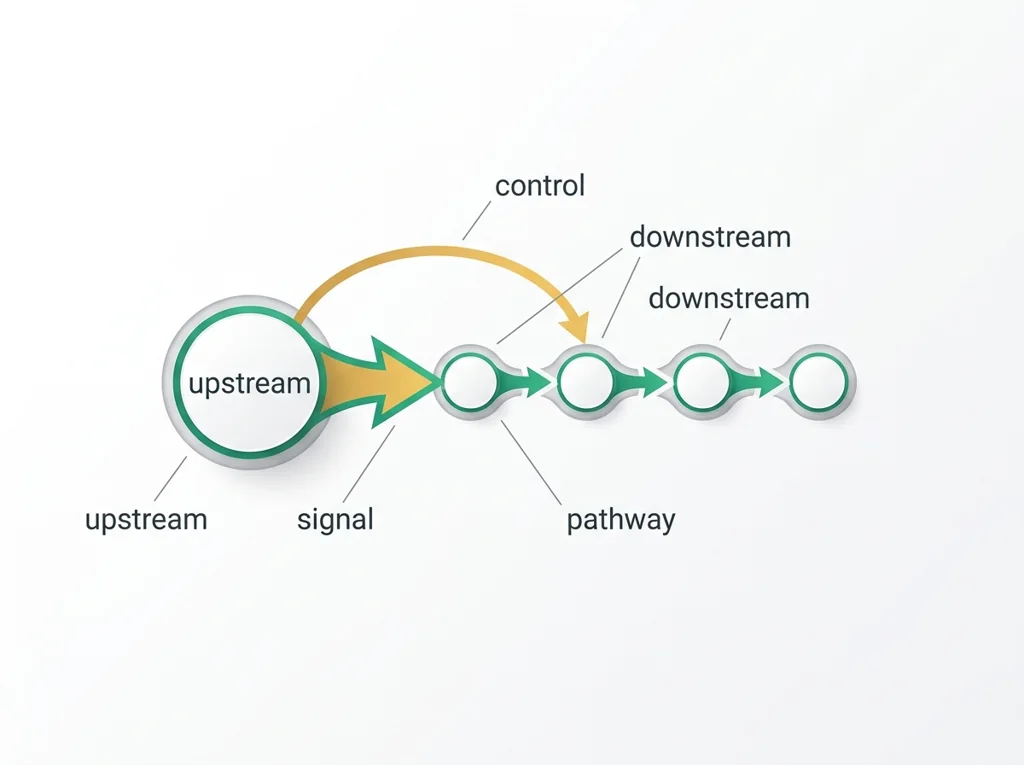
Genes or events that come earlier in a pathway and control what happens later, downstream.
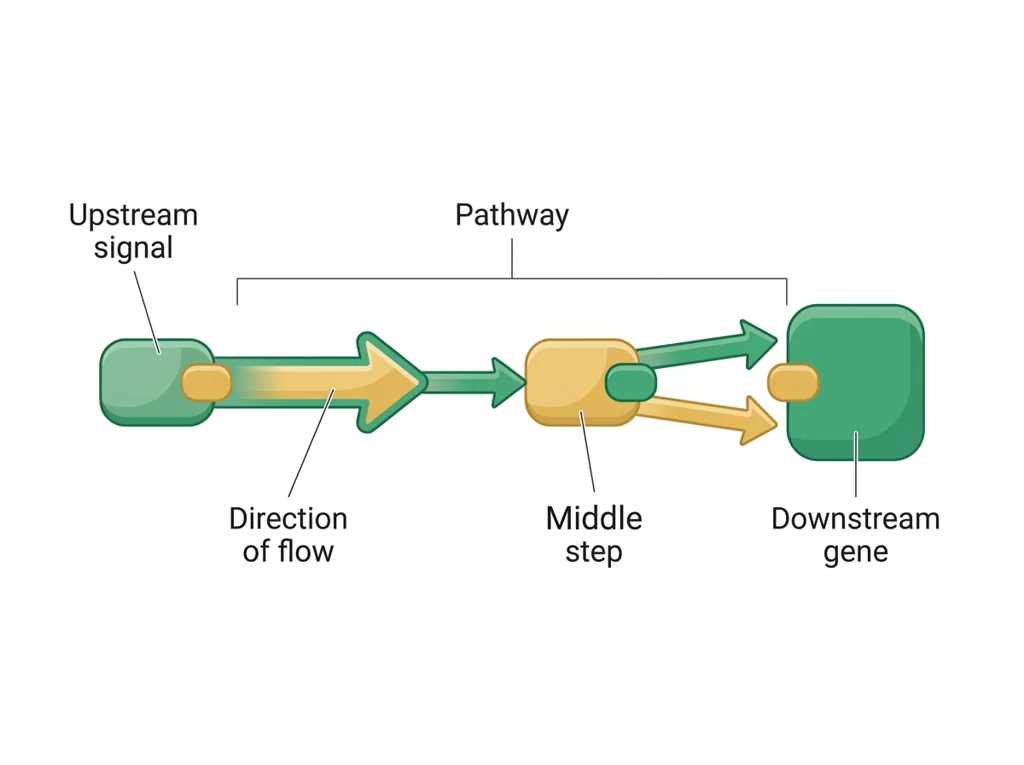
Describing genes or events that come later in a pathway, controlled by something acting earlier, or upstream, of them.
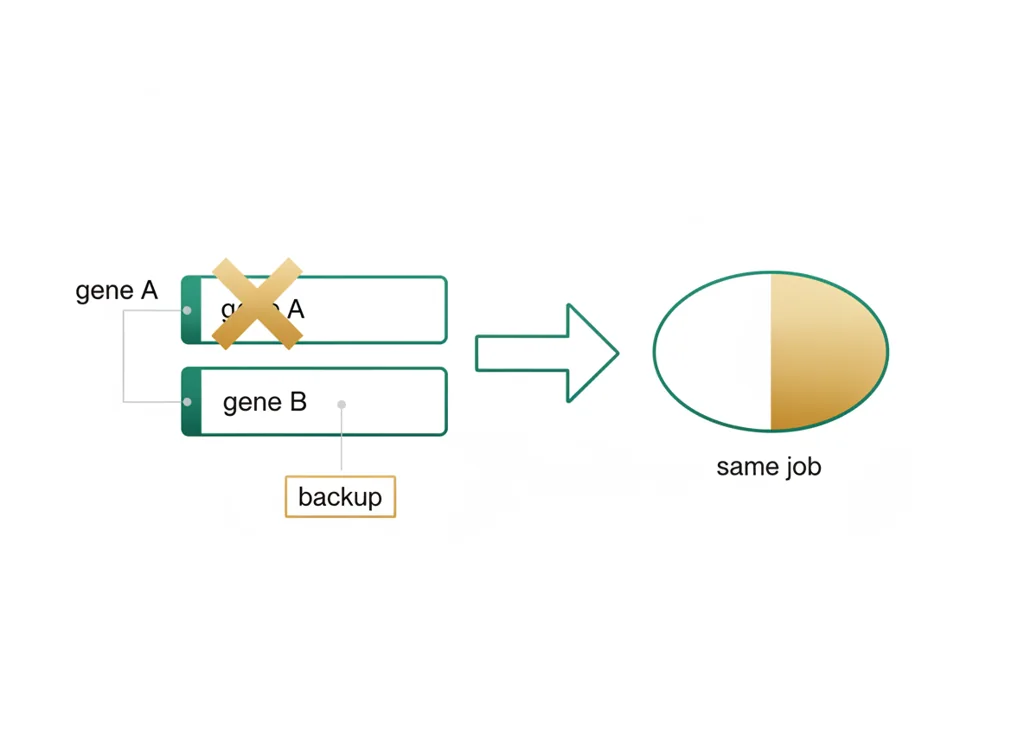
When more than one gene can perform the same job, so losing one is partly covered by another and the effect is softened.
Research citation trail (advanced)
You do not need these papers or database records to finish the lesson. They document where the plain-language explainer's claims come from and are intended for teachers or advanced readers.