
From a Question to a Testable Hypothesis
This reading contains every idea and every piece of evidence needed for today's decision. The research links at the end are optional.
Why this matters
A hypothesis earns scientific value by taking the risk of being wrong.
The question you are trying to answer
What is deliberately changed?
Begin with the idea you already earned
A researchable question names a population, a factor or intervention, a comparison, and a measurable outcome.
Study the analogy before the biology
- What is deliberately changed?
- Which sensor records the result?
- Which result would make the prediction fail?
Turn the analogy into three rules
Limit: Human clinical studies cannot control every feature as tightly as a mechanical crash test.
Map those rules onto the biology
A hypothesis predicts a relationship between variables. The independent variable is the factor assigned or compared. The dependent variable is the outcome measured.
Researchers also define constants and eligibility rules so the groups receive the same follow-up and outcome measurement.
The null hypothesis usually states that the groups do not differ. A good prediction says which findings would support it and which would count against it.
Read Mateo's labeled case evidence
The proposed study compares repair at 6 months with repair at 12 months.
Repair timing is the factor that differs between groups.
The primary outcome is VPI status at age 5.
The outcome must be measured the same way in both groups.
A valid hypothesis can be challenged by equal or higher VPI in the 6-month group.
The prediction is falsifiable rather than protected from failure.
Make the concrete decision
You are the methods lead completing the hypothesis card.
A draft says, 'Earlier surgery will help somehow,' and the team must decide whether it can guide a study.
- Rewrite it with timing, VPI at age 5, and a result that would oppose the prediction.
- Keep it because every positive change can count as success.
- Remove the comparison group so no result can disagree.
Choose the revision and identify the independent variable, dependent variable, and falsifying result.
Claim ceiling: You may state a testable prediction. You may not claim the hypothesis is true before the comparison.
Write the 10-year takeaway
A falsifiable hypothesis links a defined change to a defined outcome and states what would count against it.
- Which variable is repair timing?
- What finding would count against the earlier-is-better prediction?
Glossary in plain English
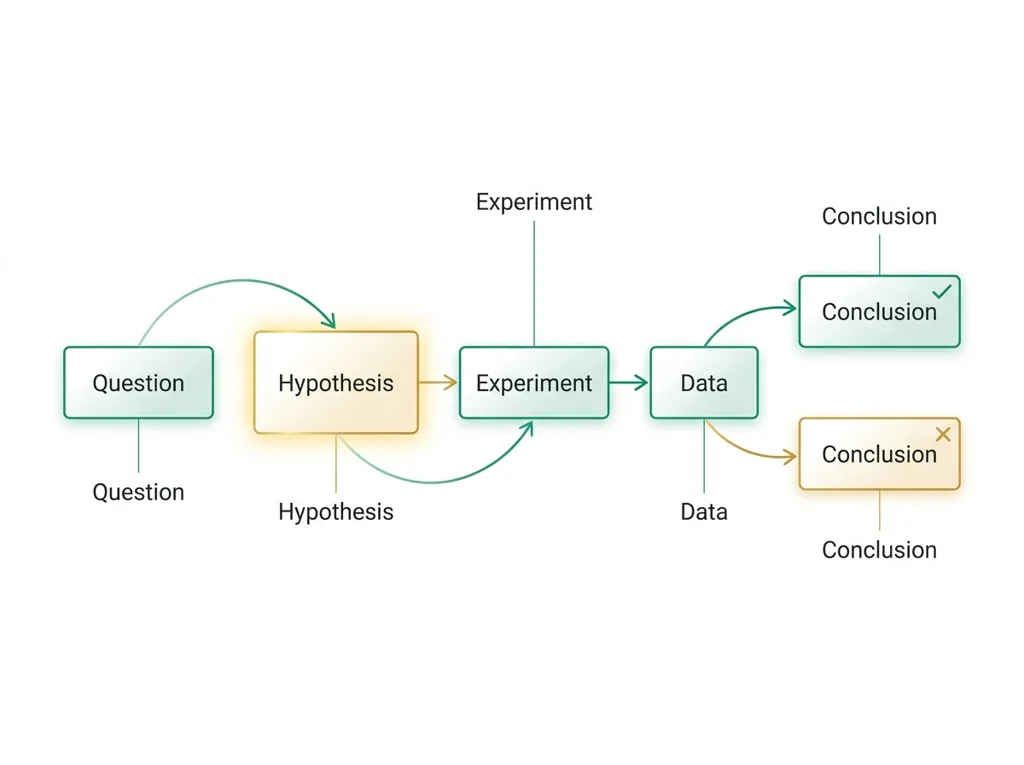
A testable, falsifiable prediction about how variables relate, written so an experiment can support it or prove it wrong.
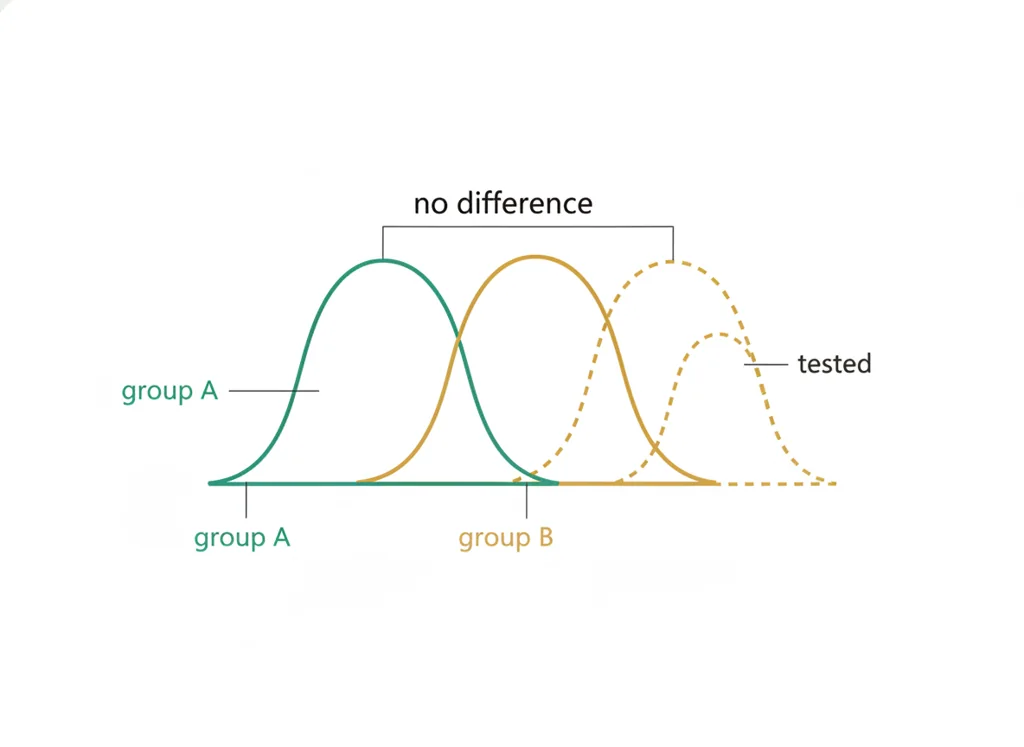
The default assumption that there is no real effect or difference, which a study tries to disprove with its data.
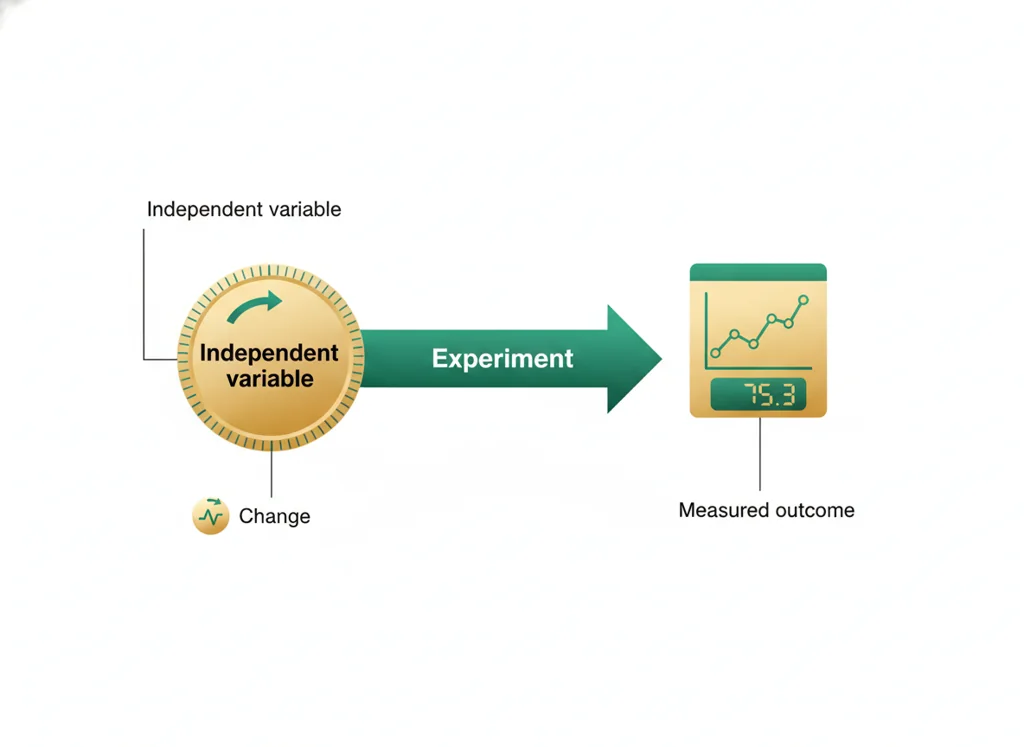
The one factor a researcher deliberately changes in an experiment to test its effect on the measured outcome.
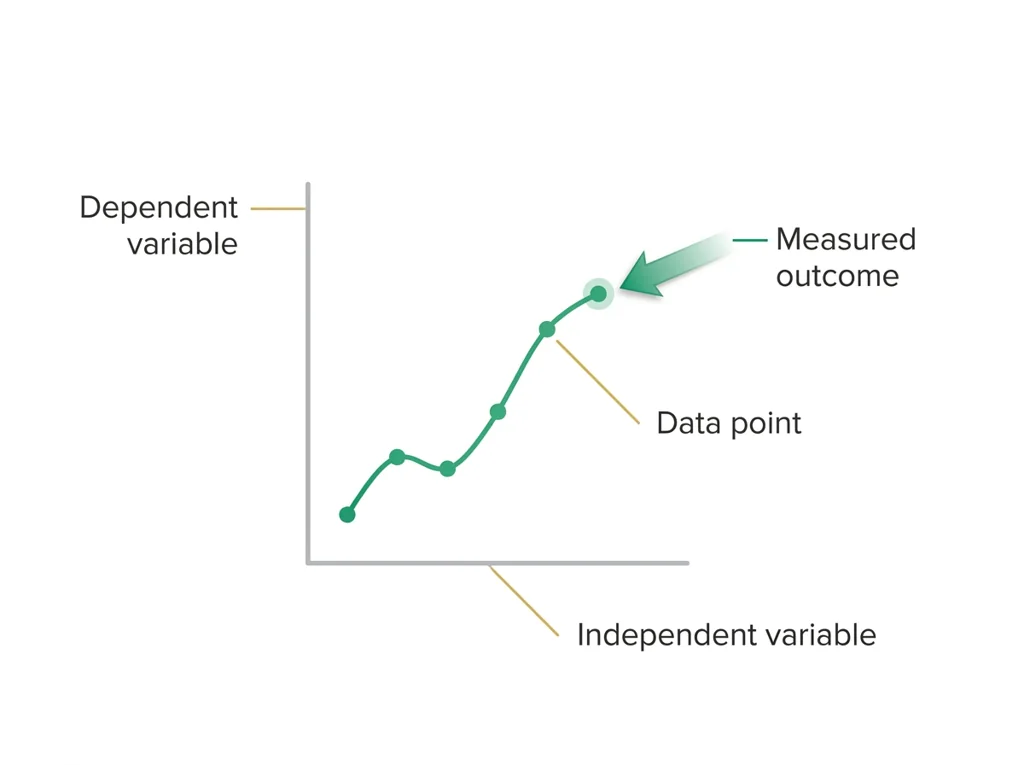
The outcome a researcher measures in an experiment, which may change in response to the variable being tested.
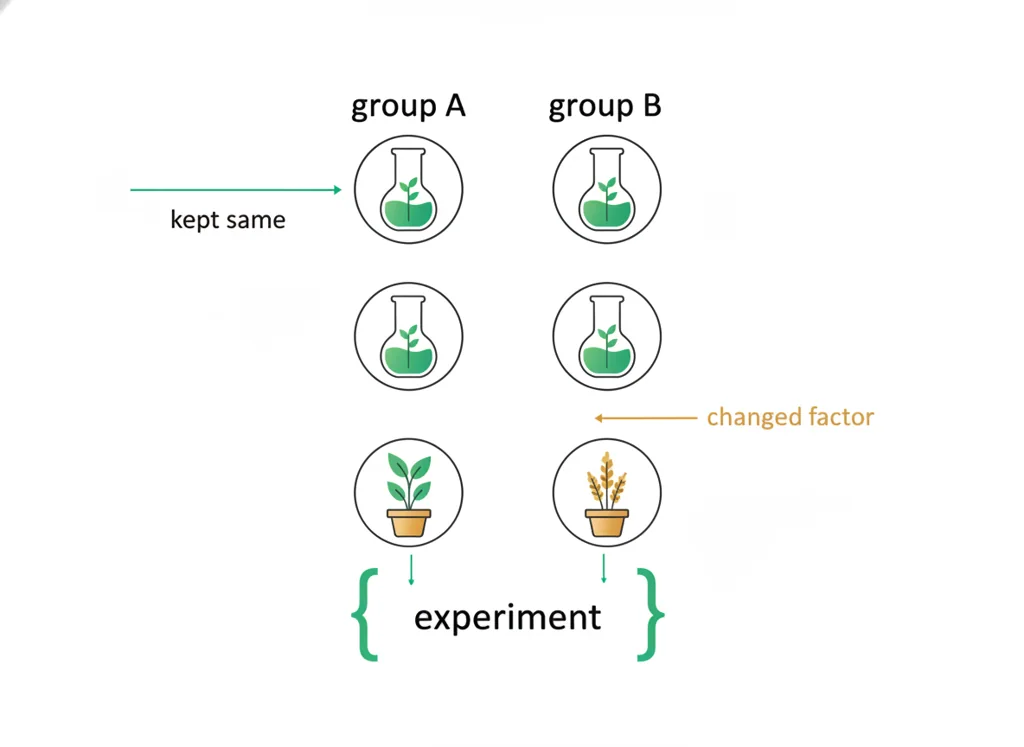
A factor kept the same across every group in an experiment so it cannot secretly affect the results.
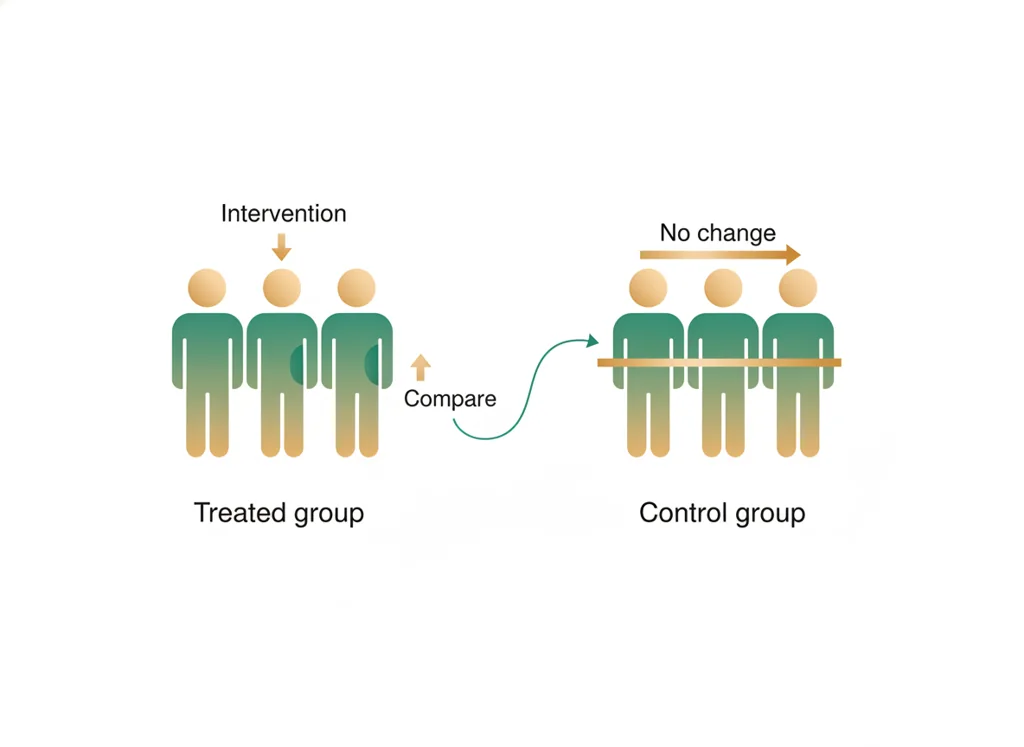
A comparison group set up to be like the treated group except for the one change being tested, so you can tell if that change did anything.
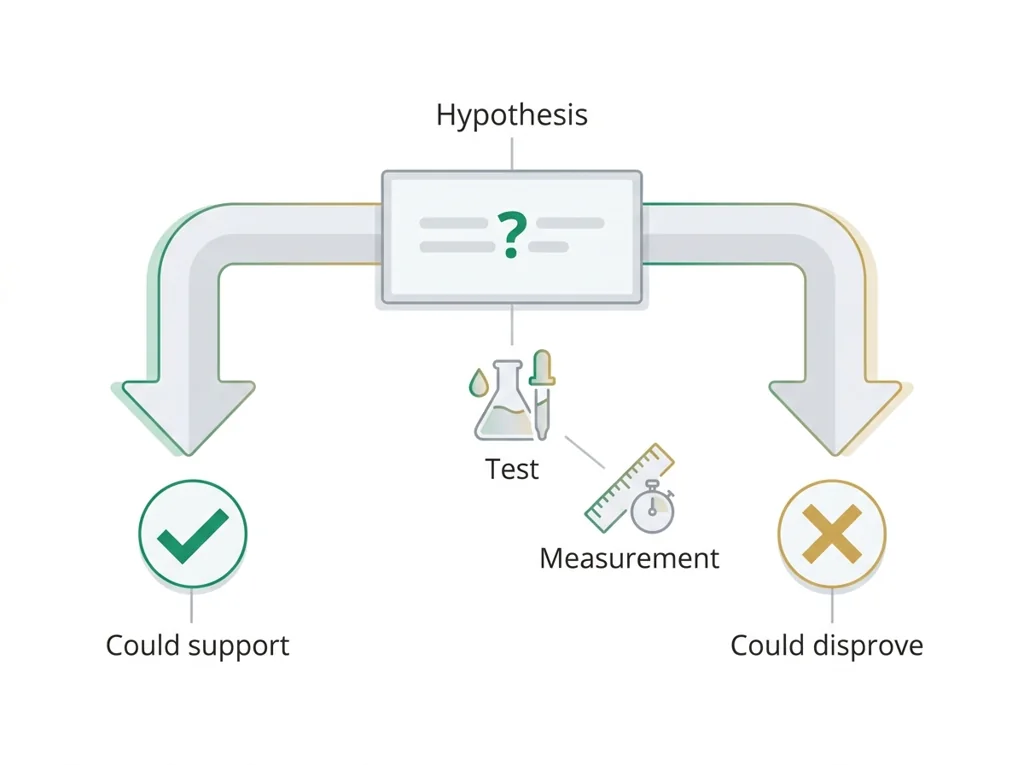
Able to be proven wrong by a real measurement, a key feature of a good scientific question or hypothesis.
Research citation trail (advanced)
You do not need these papers or database records to finish the lesson. They document where the plain-language explainer's claims come from and are intended for teachers or advanced readers.
- NEJM. Timing of Primary Surgery for Cleft Palate (TOPS), 2023.
- Gamble C, et al. 2023. Timing of Primary Surgery for Cleft Palate (TOPS trial). N Engl J Med. [PMID:37646677]
- Sun B, et al. 2023. Ezh2-dependent methylation in oral epithelia promotes secondary palatogenesis. Birth Defects Res. [PMID:37435868]