
How Do We Combine Many Studies Into One Answer?
This reading contains every idea and every piece of evidence needed for today's decision. The research links at the end are optional.
Why this matters
A systematic process protects the answer from selective attention, but synthesis still requires judgment.
The question you are trying to answer
Which records are found before the sieve?
Begin with the idea you already earned
Bias is directional design or measurement error; confounding mixes effects; each threat needs a matched safeguard.
Study the analogy before the biology
- Which records are found before the sieve?
- Who sets the inclusion holes and when?
- Why might some ingredients remain outside the bowl?
Turn the analogy into three rules
Limit: Studies are not interchangeable ingredients, and statistical weights do not erase design flaws.
Map those rules onto the biology
A systematic review uses a planned question, broad search, clear eligibility rules, duplicate screening, and risk-of-bias assessment. PRISMA guides transparent reporting.
Meta-analysis combines numerical estimates when studies are similar enough for the average to mean something. It is not required for every review.
Heterogeneity means results or study features differ. Researchers examine populations, methods, outcomes, and settings before pooling.
Read Mateo's labeled case evidence
The protocol was registered before screening and lists databases, eligibility, outcomes, and analysis.
The process is harder to change after seeing results.
Two studies use blinded age-5 VPI ratings, while one uses an unvalidated parent question at age 2.
Outcome differences may limit a meaningful pooled estimate.
The forest plot shows effects in different directions and major clinical differences across centers.
Heterogeneity must be explained rather than hidden by one average.
Make the concrete decision
You are the systematic-review editor deciding whether to approve pooling.
The authors want one dramatic number even though one study measures a different outcome and timing.
- Present the review and pool only a justified compatible subset.
- Combine every number because meta-analysis is always strongest.
- Discard studies that disagree with the preferred answer.
Choose the synthesis plan and cite protocol, outcome compatibility, and heterogeneity evidence.
Claim ceiling: You may synthesize and pool compatible studies when justified. You may not claim a pooled estimate repairs weak or incompatible evidence.
Write the 10-year takeaway
Systematic reviews reduce cherry-picking, while meta-analysis is credible only when studies and pooling assumptions support it.
- What should be planned before screening?
- When might a review avoid one pooled estimate?
Glossary in plain English
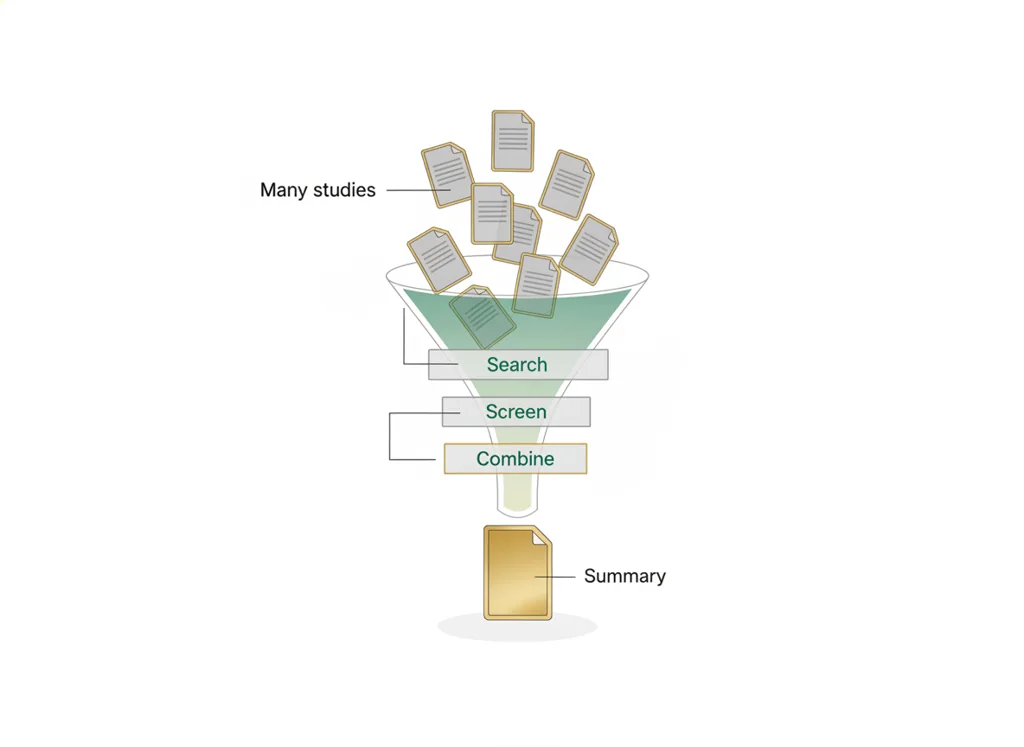
A study that follows a planned, transparent method to gather, judge, and combine all relevant research on one question.
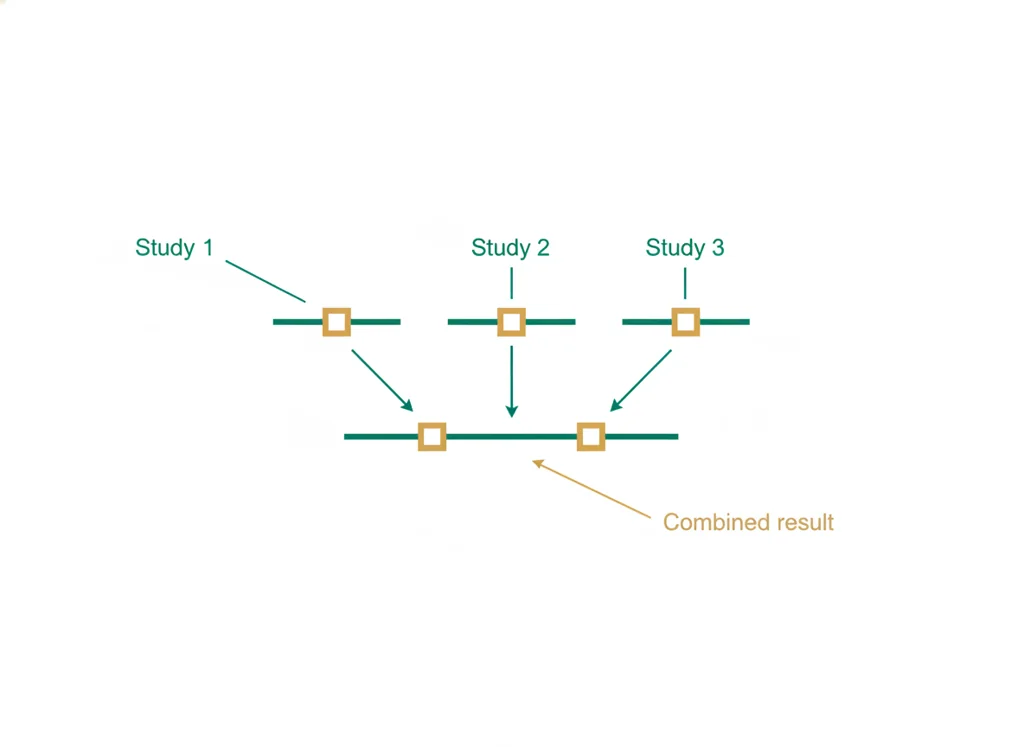
A study that statistically combines the results of many separate studies to reach a more reliable overall conclusion.
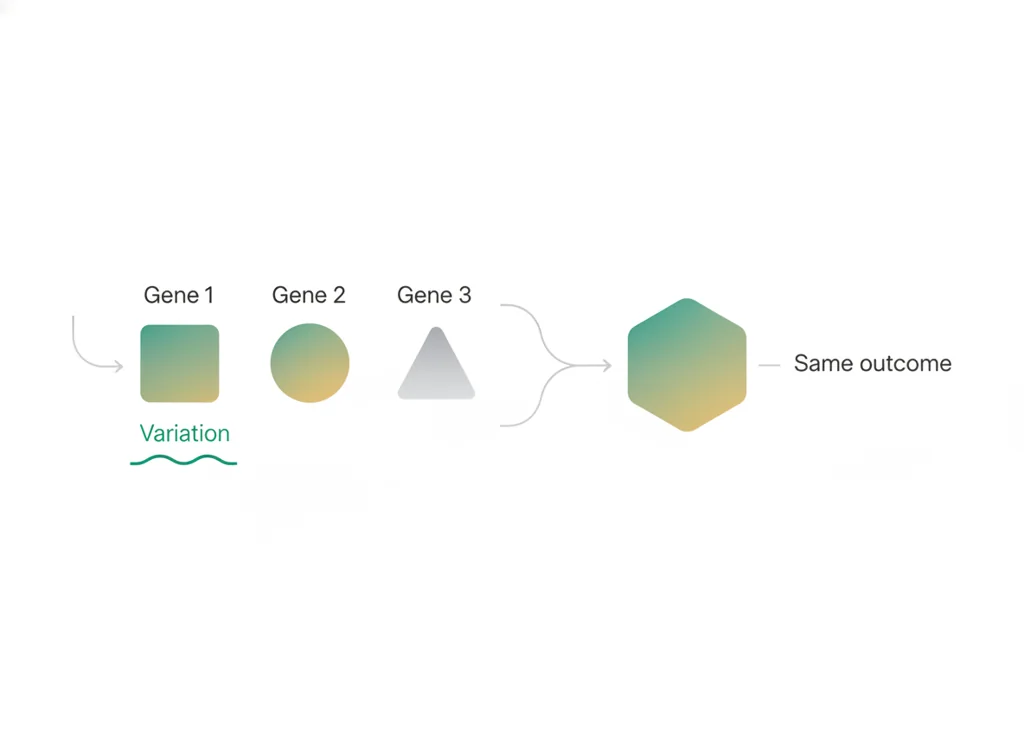
Wide variation within a group, such as many different genetic causes leading to the same outward condition.
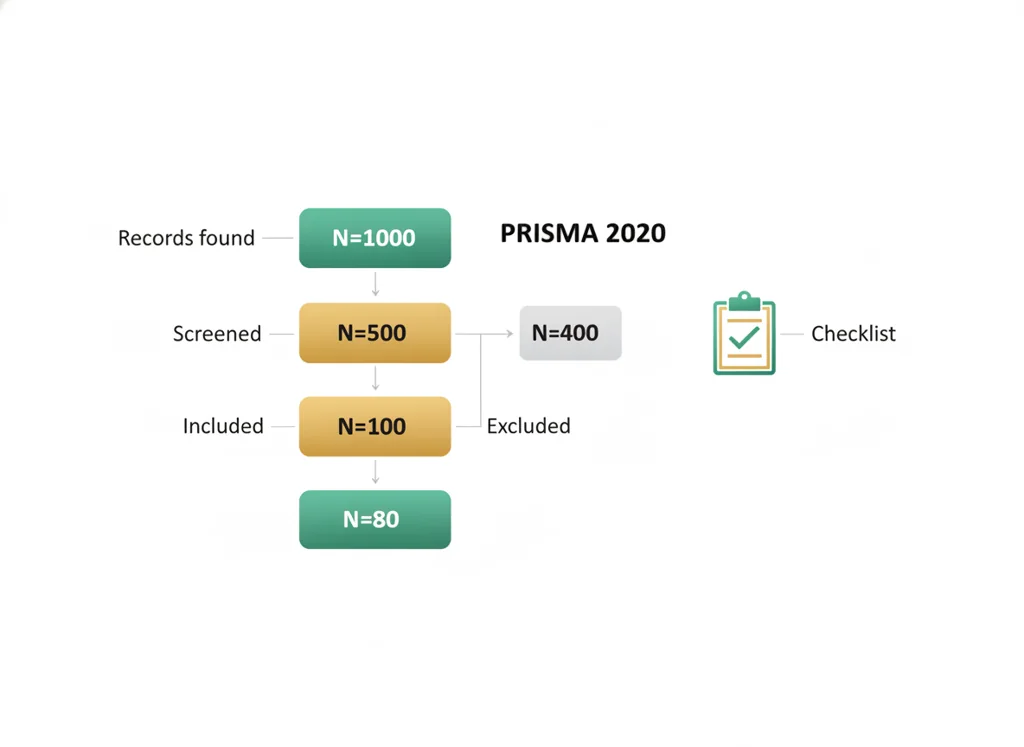
A widely used checklist and flow diagram that guides researchers to report systematic reviews clearly, completely, and transparently.
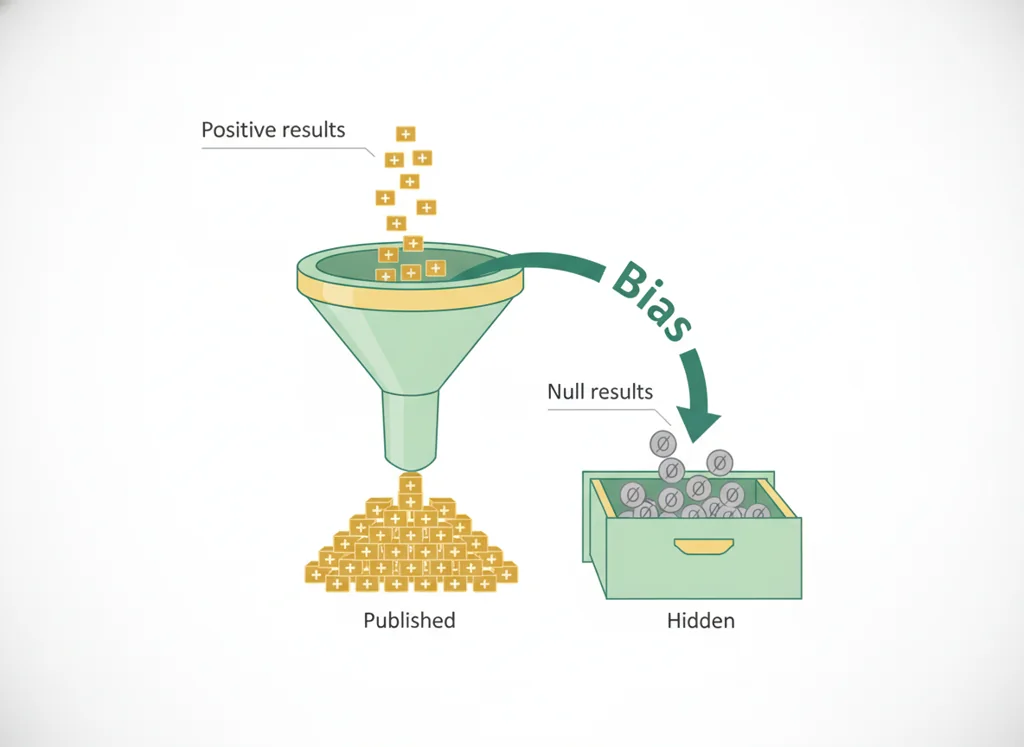
The tendency for studies with positive or exciting results to get published while studies with no effect stay hidden, skewing the evidence.
Research citation trail (advanced)
You do not need these papers or database records to finish the lesson. They document where the plain-language explainer's claims come from and are intended for teachers or advanced readers.