
The TOPS Trial: How Surgeons Tested the Best Time to Repair a Palate
This reading contains every idea and every piece of evidence needed for today's decision. The research links at the end are optional.
Why this matters
Palate repair usually happens at 9 to 15 months, so a timing result can shape an early family decision only within the study's limits.
The question you are trying to answer
What did the real surgery-timing study show, and what did it leave unknown?
Begin with the idea you already earned
Fair treatment trials require equipoise, concealed randomization, unbiased outcome assessment, and analysis by assigned group.
Study the analogy before the biology
- What differs between the two paths?
- What remains standardized?
- Why are the final recordings coded?
Turn the analogy into three rules
Limit: A calendar image hides clinical work, follow-up losses, and other outcomes that shape a real trial.
Map those rules onto the biology
TOPS compared palate repair at 6 months with repair at 12 months in medically fit infants with isolated cleft palate. It used many centers and blinded speech assessment.
At age 5, VPI was recorded in 8.9 percent of the earlier group and 15.0 percent of the later group. The risk ratio was 0.59, with a 95 percent interval from 0.36 to 0.99.
The result supports earlier repair for the trial's eligible population and settings. It does not answer every cleft type, center, safety, or growth question.
Read Mateo's labeled case evidence
TOPS randomized 558 medically fit infants with nonsyndromic isolated cleft palate at 23 centers.
The study population did not include every cleft type or setting.
VPI at age 5 occurred in 8.9 percent of the 6-month group and 15.0 percent of the 12-month group among analyzable participants.
The earlier group had fewer primary-outcome events.
The risk ratio was 0.59 with a 95 percent interval from 0.36 to 0.99.
The estimate favors earlier repair, but other outcomes and uncertainty matter.
Make the concrete decision
You are the evidence lead briefing a cleft team.
The team asks whether TOPS proves every infant with cleft lip and palate should have repair at 6 months in every center.
- Apply the result to similar eligible infants while discussing uncertainty, setting, and other outcomes.
- Generalize the result to every cleft type and center.
- Ignore the trial because its interval approaches the null.
Choose the briefing and cite population, event rates, risk ratio, and one limit.
Claim ceiling: You may state the primary TOPS finding for its eligible population. You may not prescribe timing for Mateo or generalize to all clefts and settings.
Write the 10-year takeaway
TOPS supports a narrow claim: earlier repair lowered VPI in its eligible population, with uncertainty and limits.
- Who was eligible for TOPS?
- Why can the result not be applied to every cleft case?
Glossary in plain English
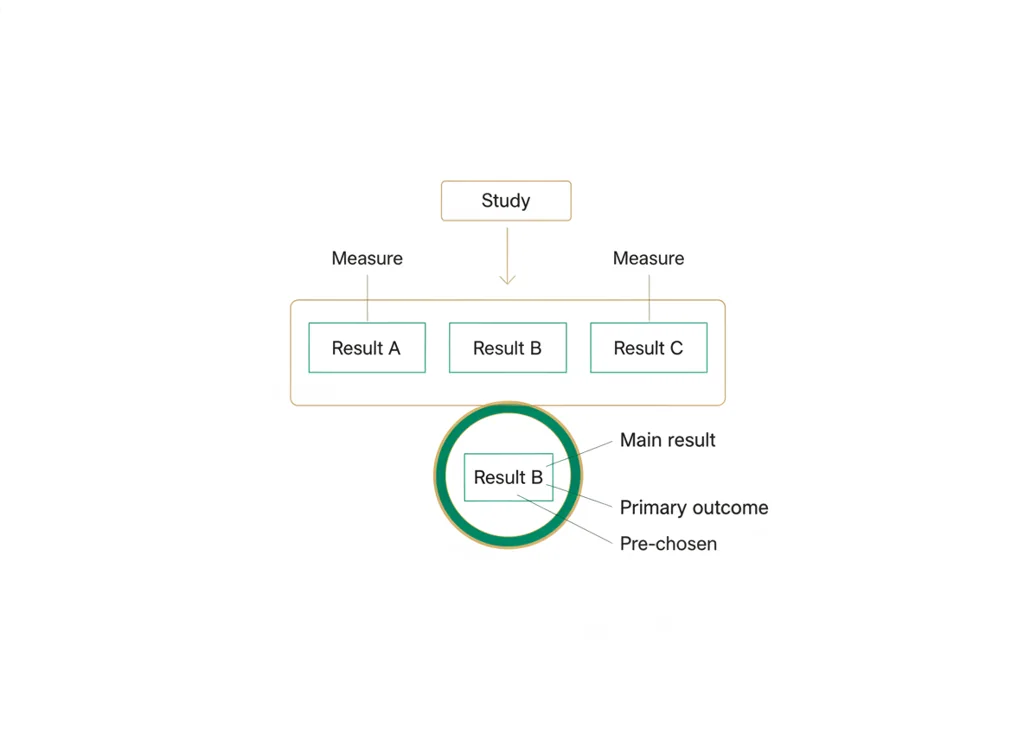
The single main result a study is designed to measure, chosen ahead of time to answer its central question.
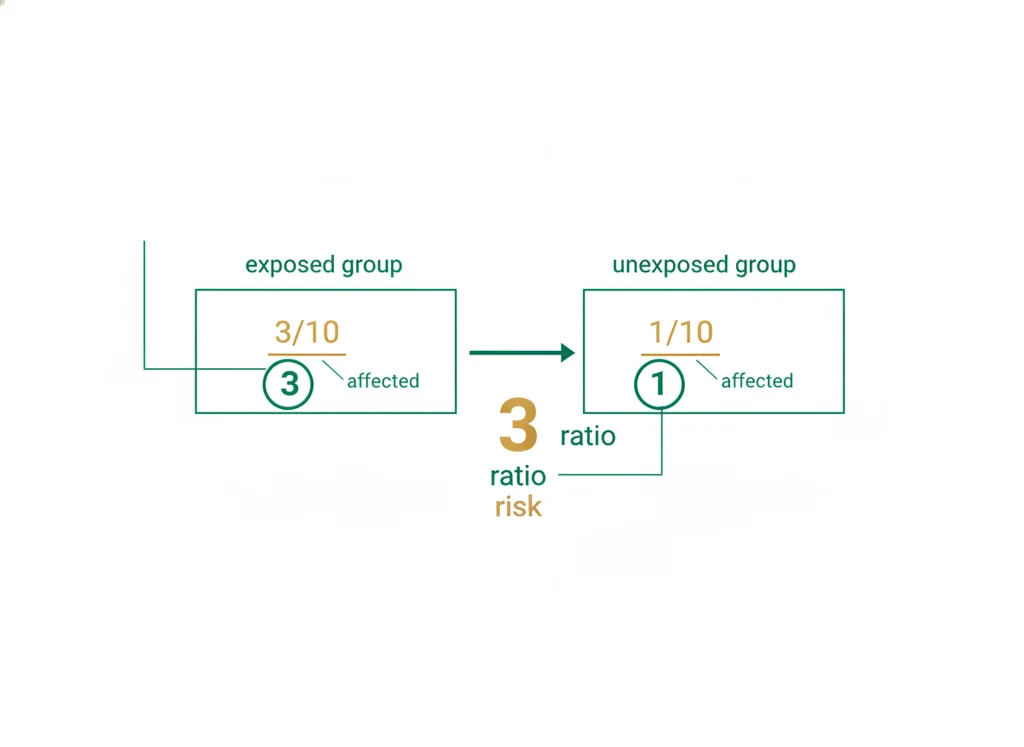
A number comparing the chance of an outcome in an exposed group versus an unexposed group; above 1 means higher risk with exposure.
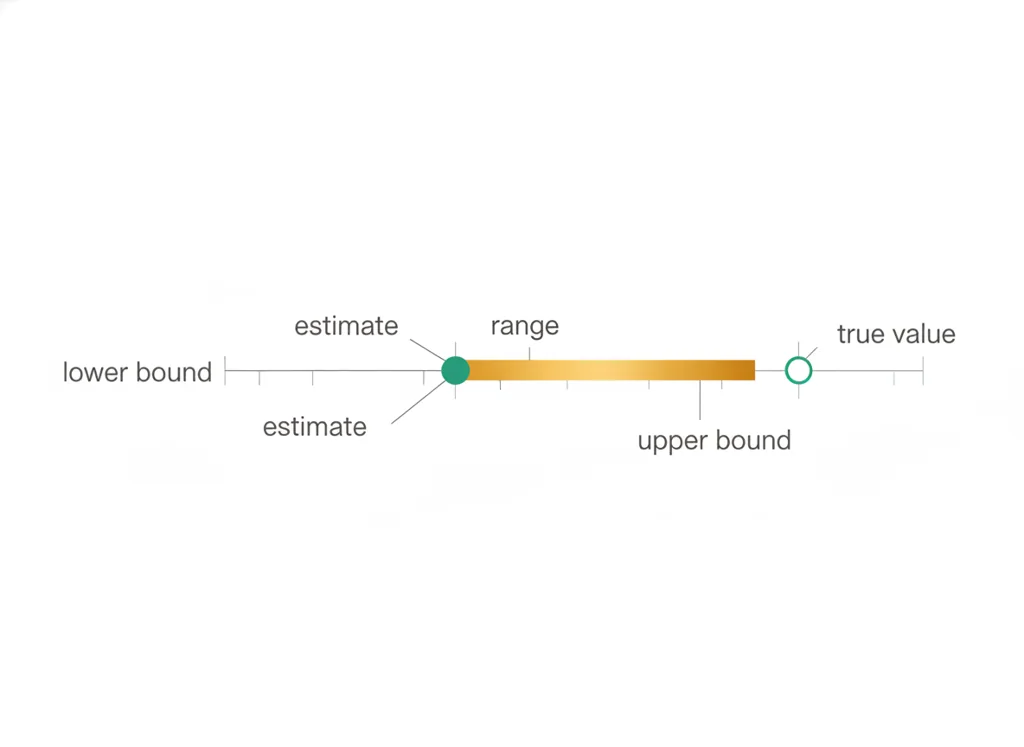
A range of values that likely contains the true result, showing how precise an estimate is; a narrow range means more certainty.
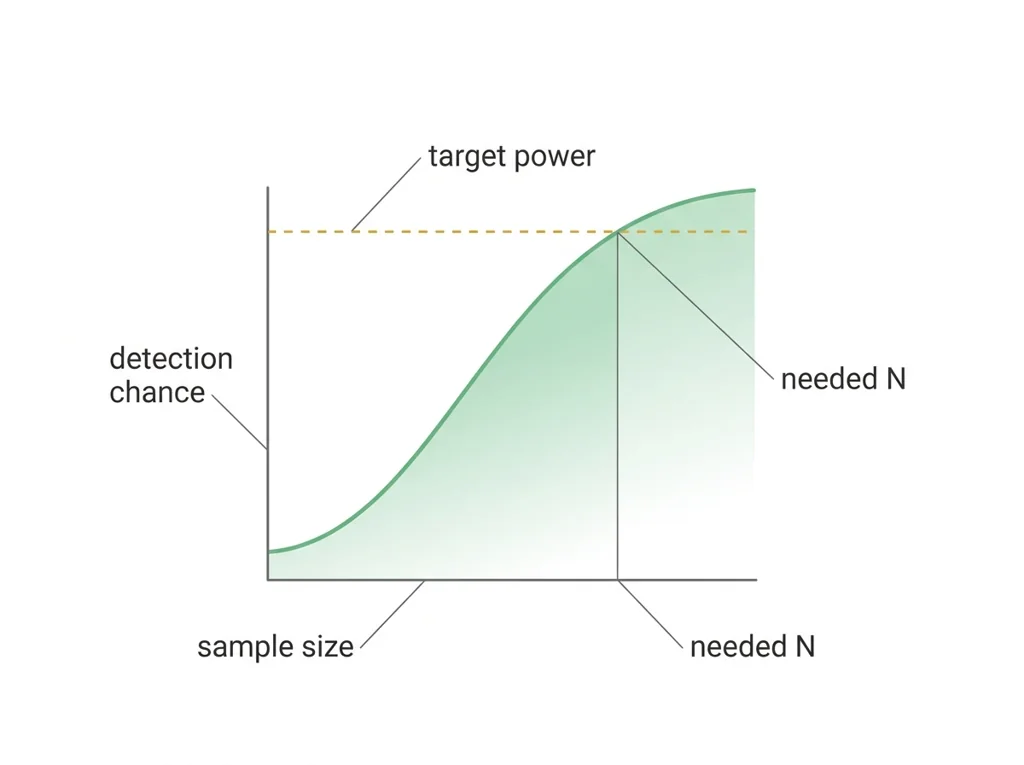
A planning step that estimates how many subjects a study needs to reliably detect a real effect if one exists.
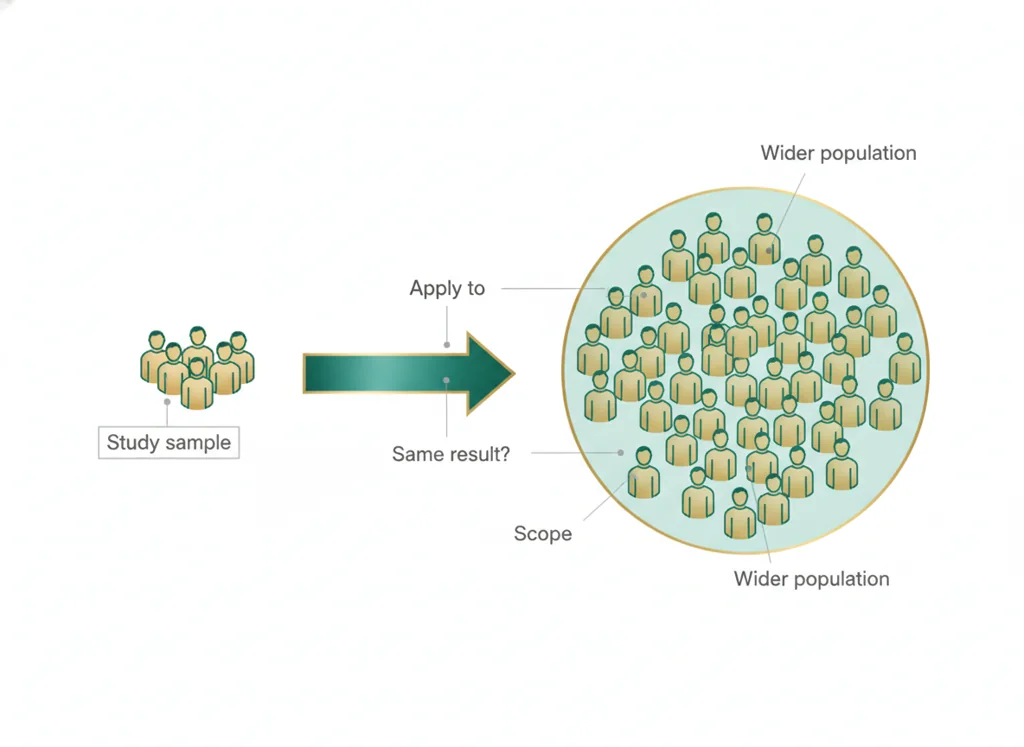
How well a study's findings hold true for people or settings beyond the specific group that was studied.
Research citation trail (advanced)
You do not need these papers or database records to finish the lesson. They document where the plain-language explainer's claims come from and are intended for teachers or advanced readers.