
How Common Is Mateo's Cleft, and in Whom?
This reading contains every idea and every piece of evidence needed for today's decision. The research links at the end are optional.
Why this matters
Good epidemiology helps plan services while protecting families from false causal claims.
The question you are trying to answer
What can the map tell you about a region?
Begin with the idea you already earned
In Robin sequence, the small jaw lets the tongue fall back and block the airway; the palate gap itself is not the blockage.
Study the analogy before the biology
- What can the map tell you about a region?
- What can it not tell you about one raindrop?
- Which patterns would need a denominator?
Turn the analogy into three rules
Limit: Birth prevalence is not weather. The analogy only distinguishes population pattern from individual cause.
Map those rules onto the biology
Birth prevalence is the number of babies born with a condition divided by the total number of births in the same population and time period.
Cleft patterns differ by type, sex, side, and population. Those are group-level observations.
Mateo fits a common structural pattern, but common does not mean simple, and a population rate does not reveal his personal cause.
Read Mateo's labeled case evidence
Cleft lip with or without cleft palate occurs in roughly 1 in 1,000 births in current U.S. CDC estimates.
The condition is uncommon but not rare in population terms.
Unilateral clefts are more common than bilateral clefts, and left-sided unilateral clefts are more common than right-sided ones.
Mateo fits common laterality patterns.
Mateo is one patient with a specific history.
Population rates cannot identify his individual cause.
Make the concrete decision
You are writing one sentence for Mateo's family and one for a public-health report.
Both sentences must use the same data without confusing group patterns with personal cause.
- Describe the group pattern and state that it does not identify Mateo's cause
- Use the population pattern to assign blame
- Avoid all population data because it is never useful
Write the two sentences and label which one is population-level and which one is patient-level.
Claim ceiling: You may describe prevalence and pattern. You may not use group data to claim why Mateo's cleft happened.
Write the 10-year takeaway
Epidemiology describes patterns in groups; it does not identify the cause of one child's cleft.
- What denominator belongs in a birth-prevalence statement?
- Why can epidemiology not assign individual blame?
Glossary in plain English
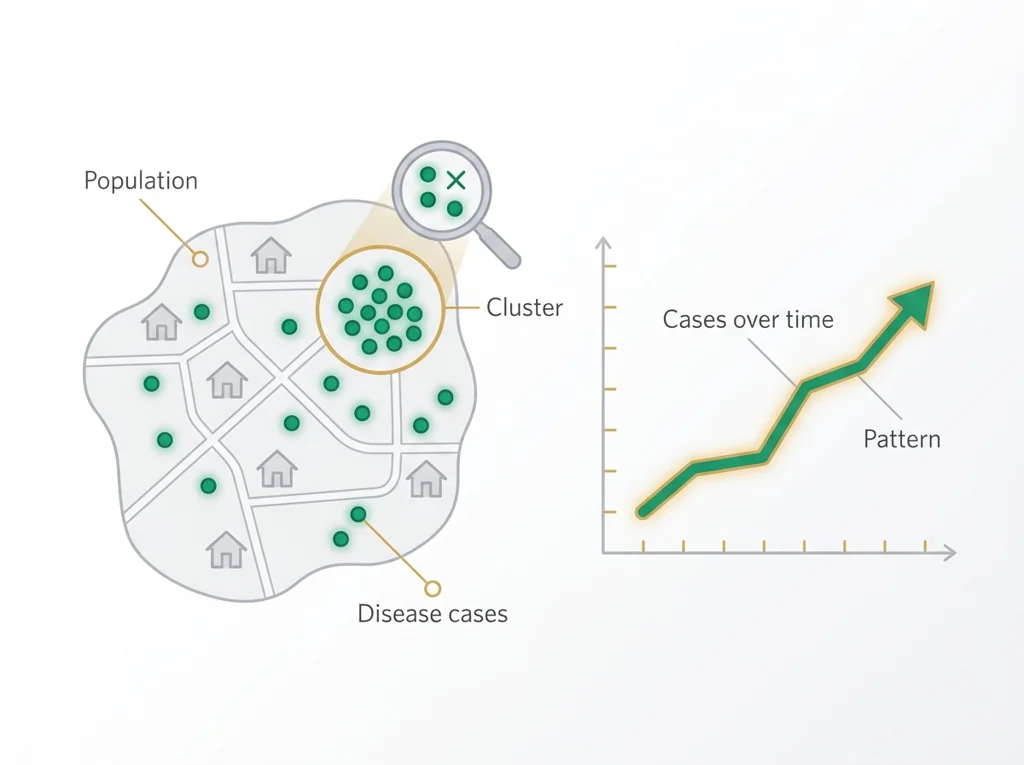
The study of how diseases spread, who they affect, and what causes them across populations, used to find patterns and guide prevention.
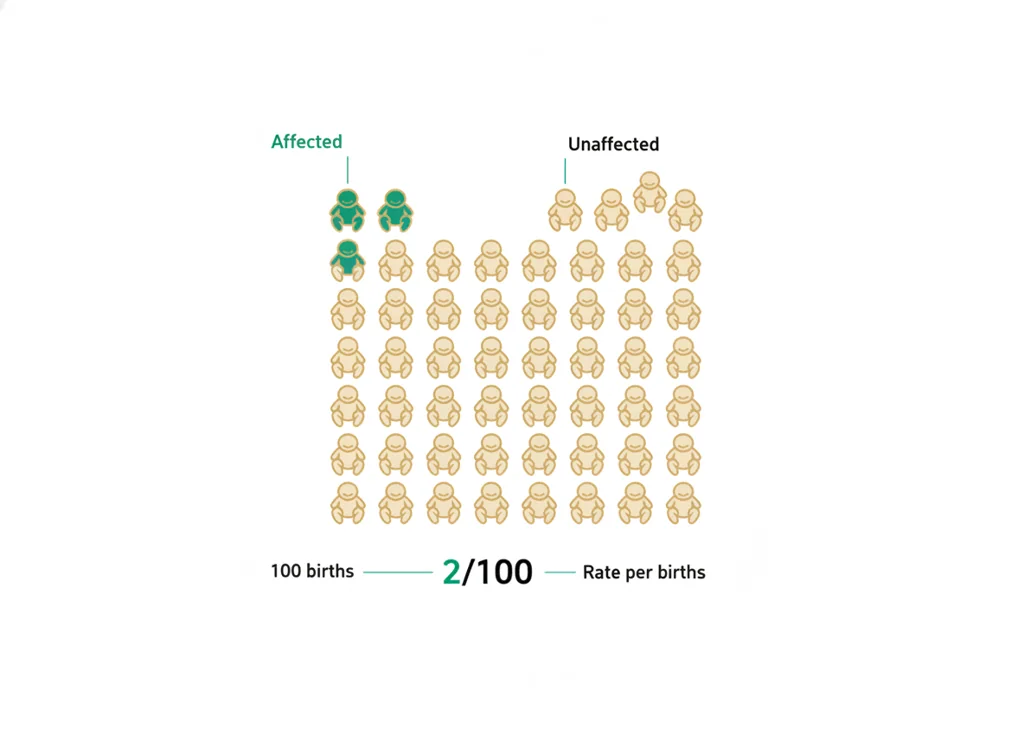
How often a condition is present at birth, usually given as the number of affected babies per a fixed number of births.
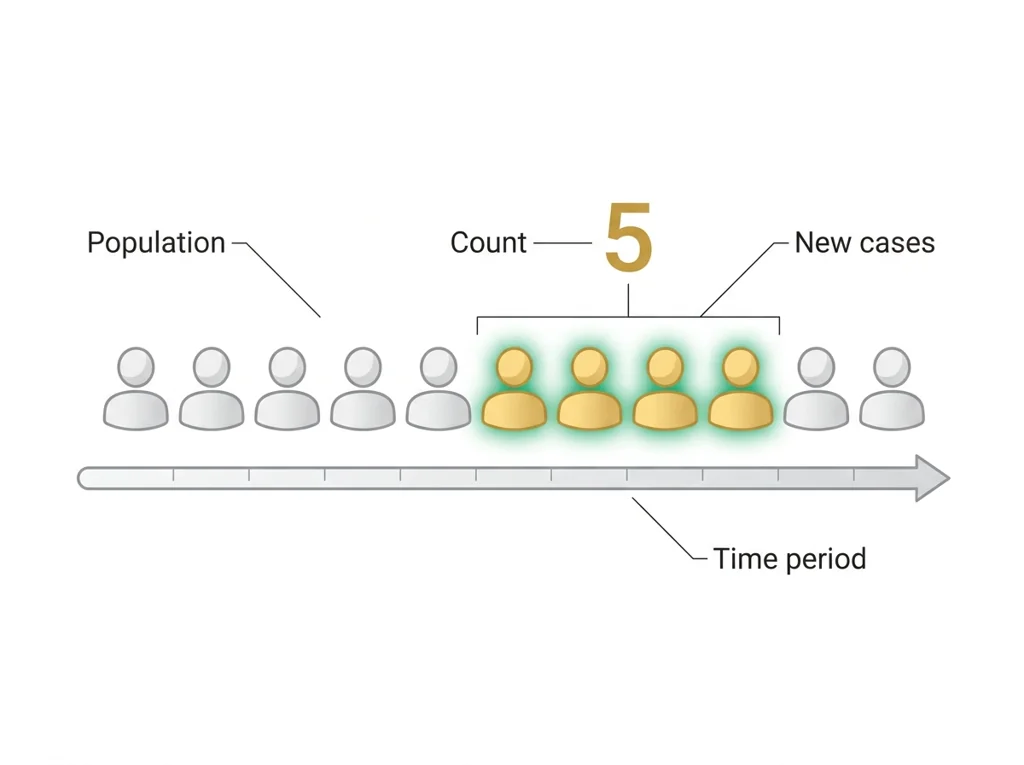
The number of new cases of a disease that appear in a population during a set period of time.
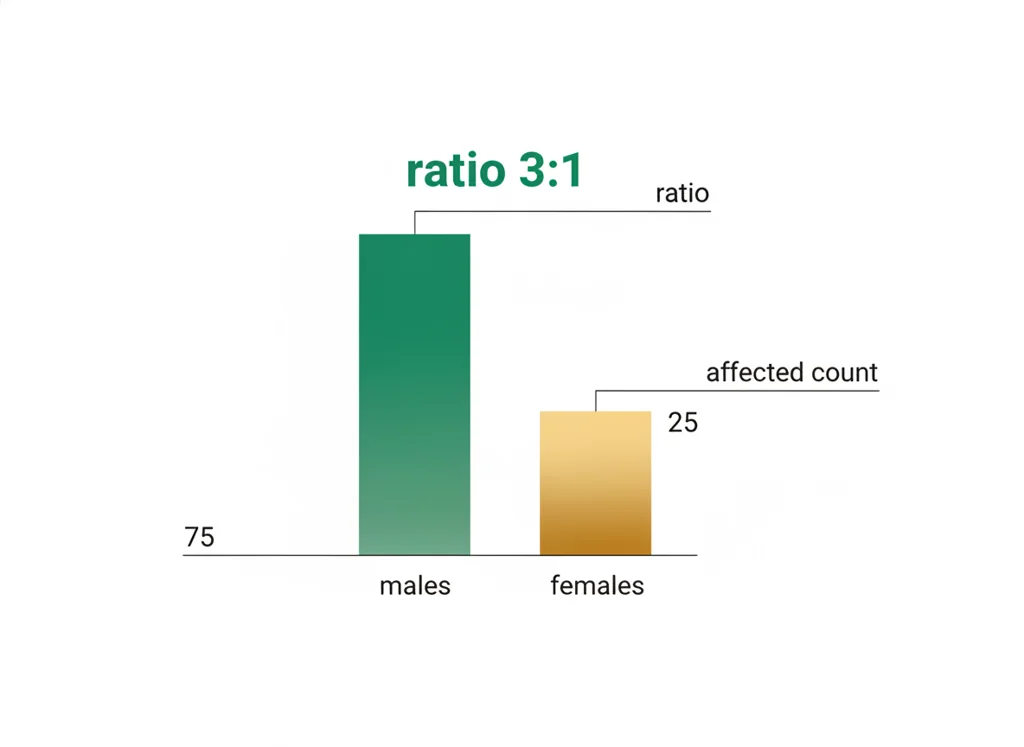
The proportion of affected males to females in a condition, a clue that can hint at sex-linked or hormone-related causes.
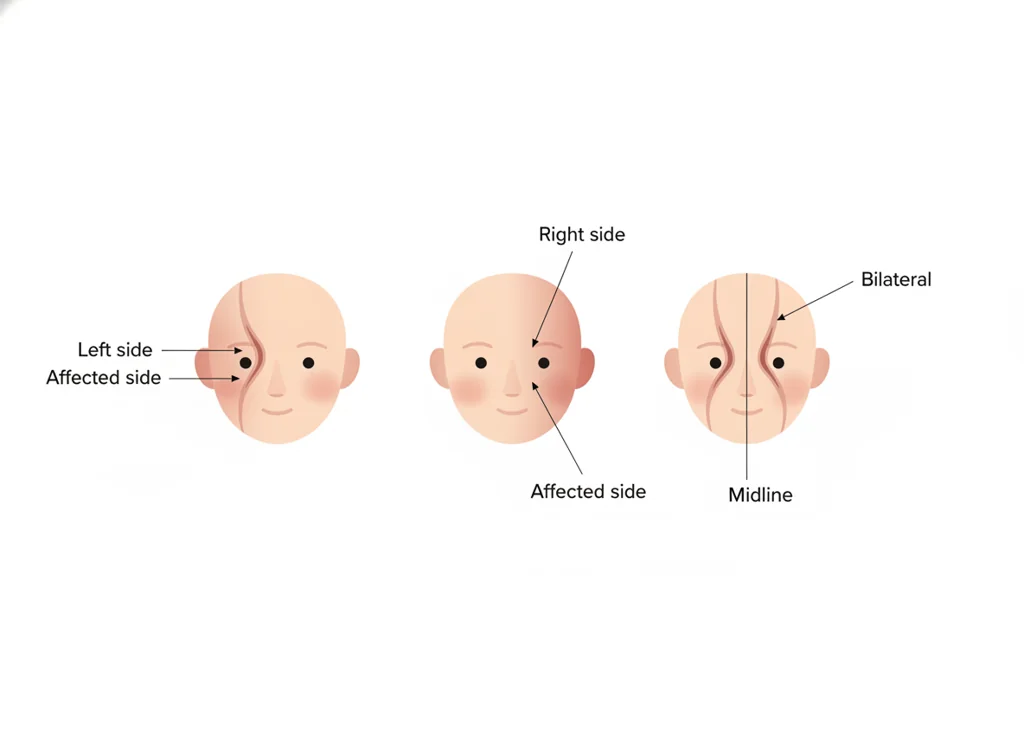
Which side of the body a feature affects, such as whether a cleft is on the left, the right, or both sides.
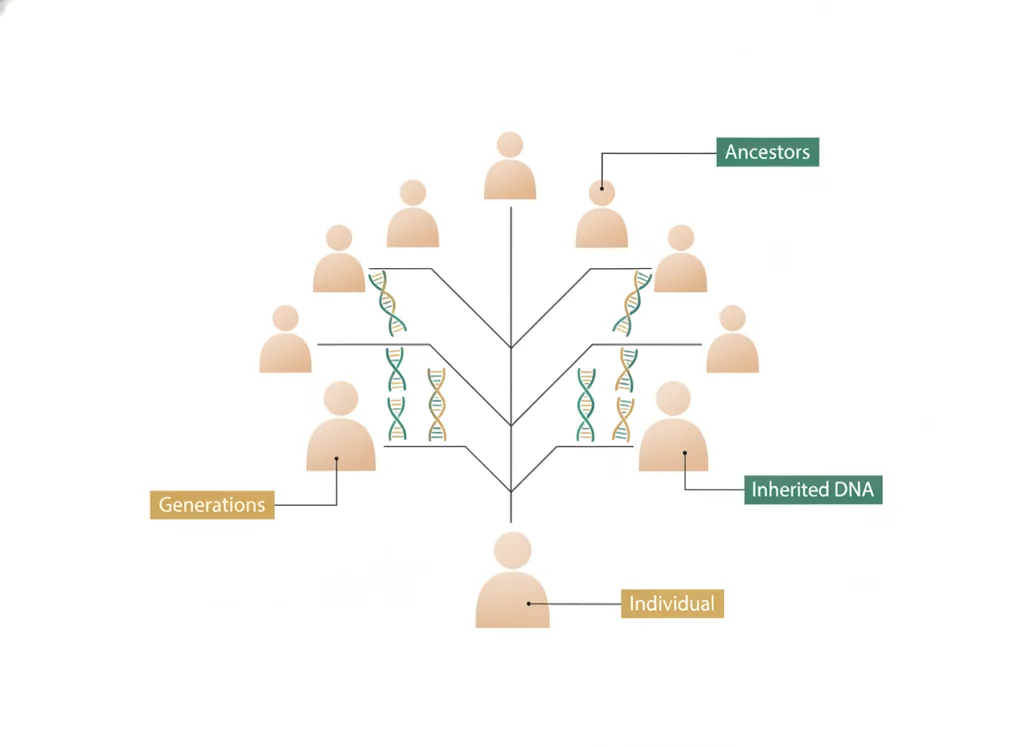
A person's population background inherited from earlier generations, which can affect how common certain DNA variants are.
Research citation trail (advanced)
You do not need these papers or database records to finish the lesson. They document where the plain-language explainer's claims come from and are intended for teachers or advanced readers.
- American Cleft Palate Craniofacial Association. 2024 Parameters of Care.
- Dixon MJ, et al. 2011. Cleft lip and palate: genetic and environmental influences. Nat Rev Genet. [PMID:21331089]
- Vyas T, et al. 2020. Cleft of lip and palate: A review. J Family Med Prim Care. [PMID:32984097]
- Salari N, et al. 2022. Global prevalence of cleft palate, cleft lip and cleft palate and lip. J Stomatol Oral Maxillofac Surg. [PMID:34033944]