
The Exam and the Test That Sort Syndromic from Isolated
This reading contains every idea and every piece of evidence needed for today's decision. The research links at the end are optional.
Why this matters
Unfocused testing can create cost and confusing results without answering the family's real question.
The question you are trying to answer
Why does the expert inspect before choosing a tool?
Begin with the idea you already earned
A red-flag checklist turns a broad syndrome question into specific findings that can be checked.
Study the analogy before the biology
- Why does the expert inspect before choosing a tool?
- Which tool is broad and which is targeted?
- Could the most expensive tool still be the wrong first choice?
Turn the analogy into three rules
Limit: DNA testing is not construction work. The analogy models matching a tool to a question.
Map those rules onto the biology
A genetics exam looks for a pattern in the whole body and across the family. That pattern helps decide whether a test is likely to help.
A chromosomal microarray looks for missing or extra pieces of DNA. It cannot detect every kind of DNA change.
When a cleft appears isolated, the team can document the evaluation and revisit testing if new findings appear.
Read Mateo's labeled case evidence
Mateo's structured exam shows the cleft but no additional congenital anomalies.
The current pattern is more consistent with an isolated finding than a multiple-anomaly pattern.
The three-generation family history shows no repeated cleft pattern or matching syndrome features.
There is no clear single-syndrome target from family history.
Chromosomal microarray is best at detecting missing or extra DNA segments, not every possible DNA change.
A broad test has a defined scope and a normal result has limits.
Make the concrete decision
You are the clinical geneticist deciding what to recommend today.
Mateo has one major structural finding and no additional anomalies after a careful exam.
- Document the completed genetics evaluation and reserve testing for new findings or a specific question
- Order every available genetic test
- Tell the family genetics has no role
Choose a testing plan, cite the case evidence, and state one thing your plan cannot rule out.
Claim ceiling: You may justify a measured testing plan. You may not say a normal microarray proves there is no genetic contribution.
Write the 10-year takeaway
Testing is most useful when the history and exam create a question the test can answer.
- What question can a microarray answer?
- Why can a normal result never mean 'no genetic influence'?
Glossary in plain English
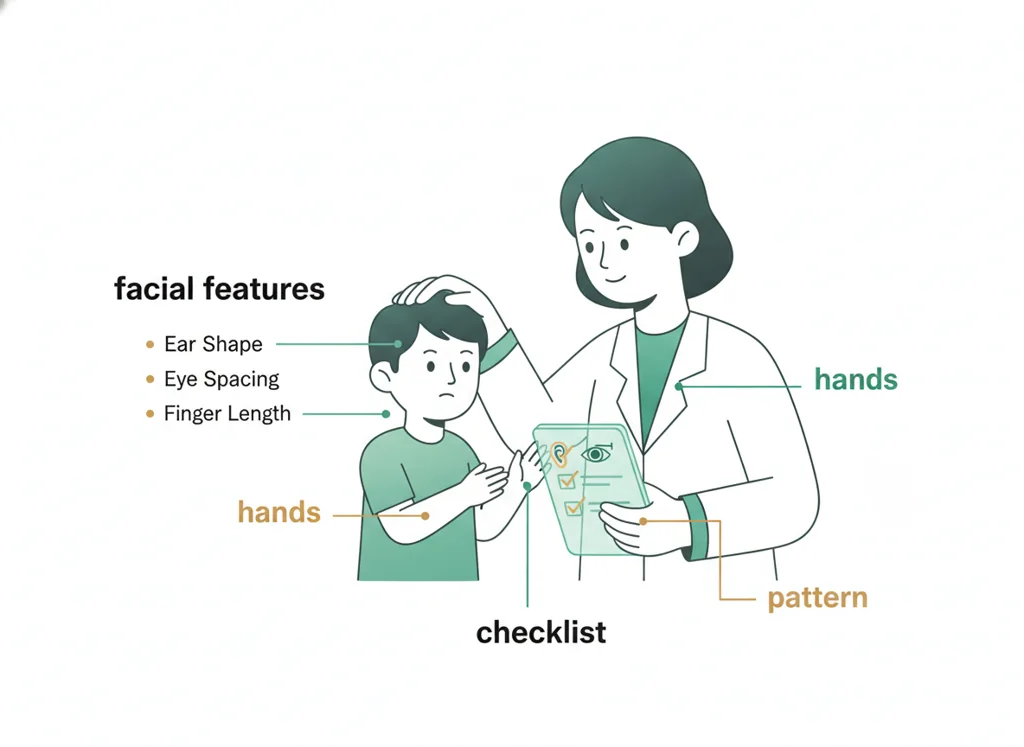
A careful physical exam where a specialist looks for unusual body and facial features that, together, can point to a genetic syndrome.
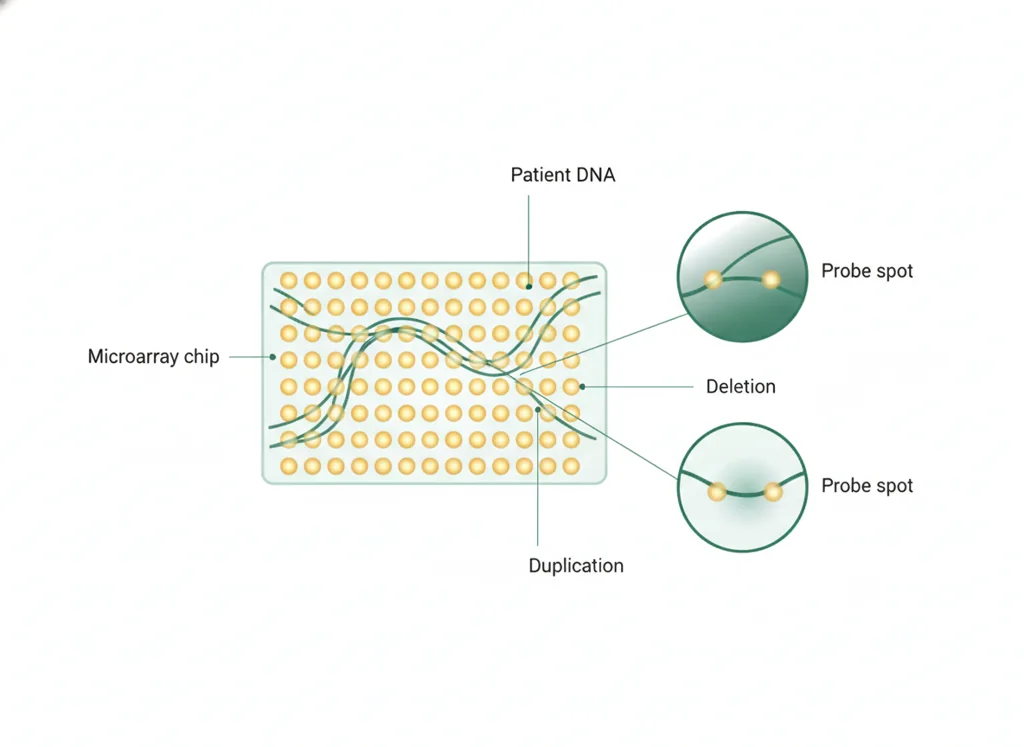
A genetic test that scans the whole genome for missing or extra chunks of DNA too small to see under a microscope.
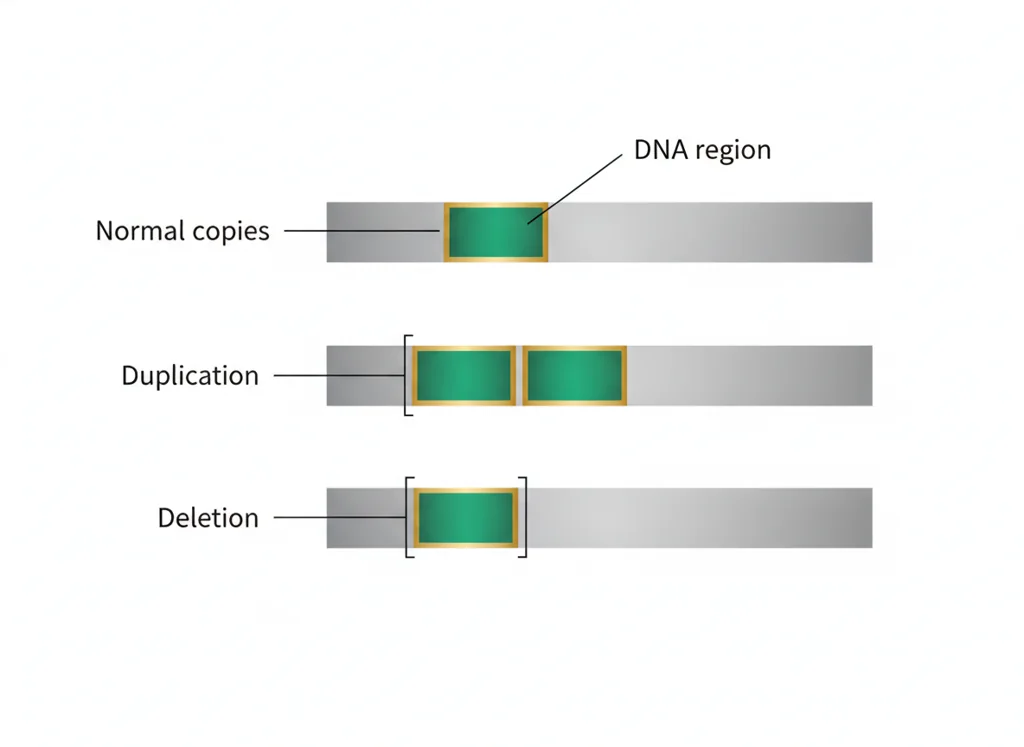
A change in which a large stretch of DNA is duplicated or deleted, so a person carries extra or missing copies of a region.
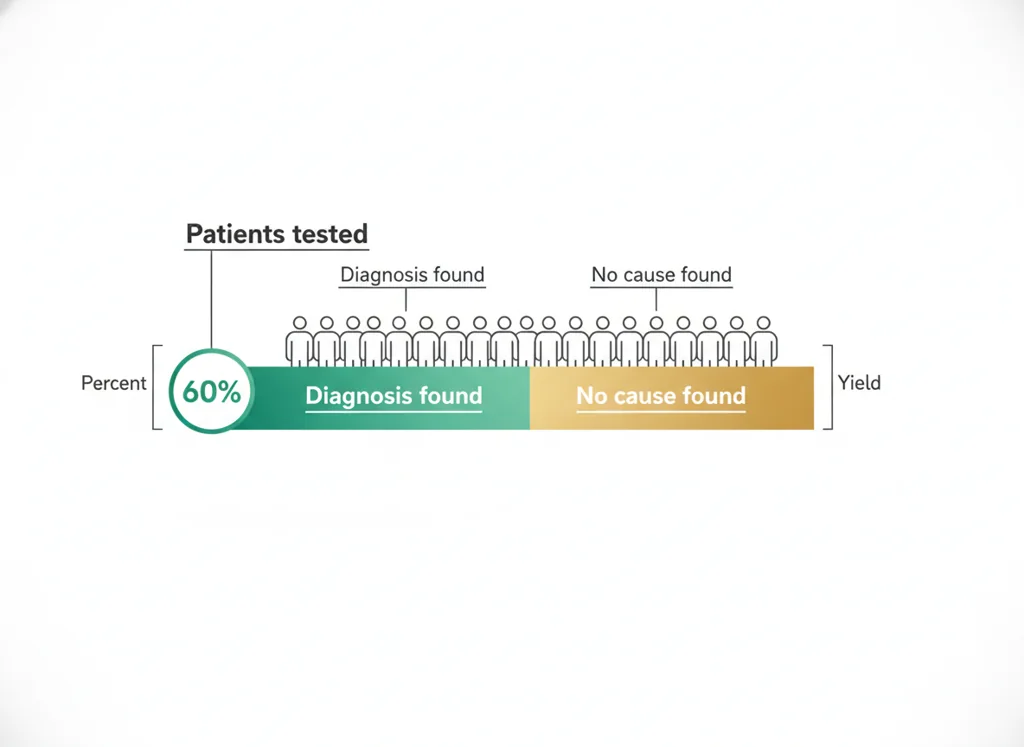
The fraction of patients in whom a given test actually finds the genetic or medical cause of their condition.
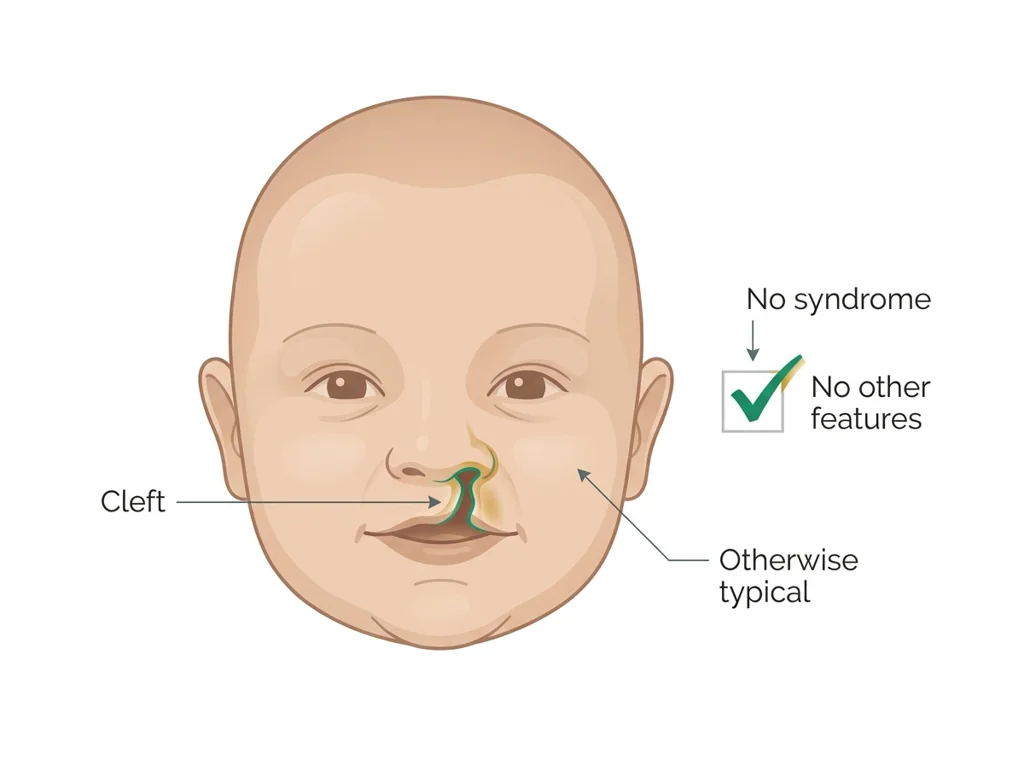
A cleft of the lip or palate that occurs on its own, without other birth differences or a recognized syndrome.
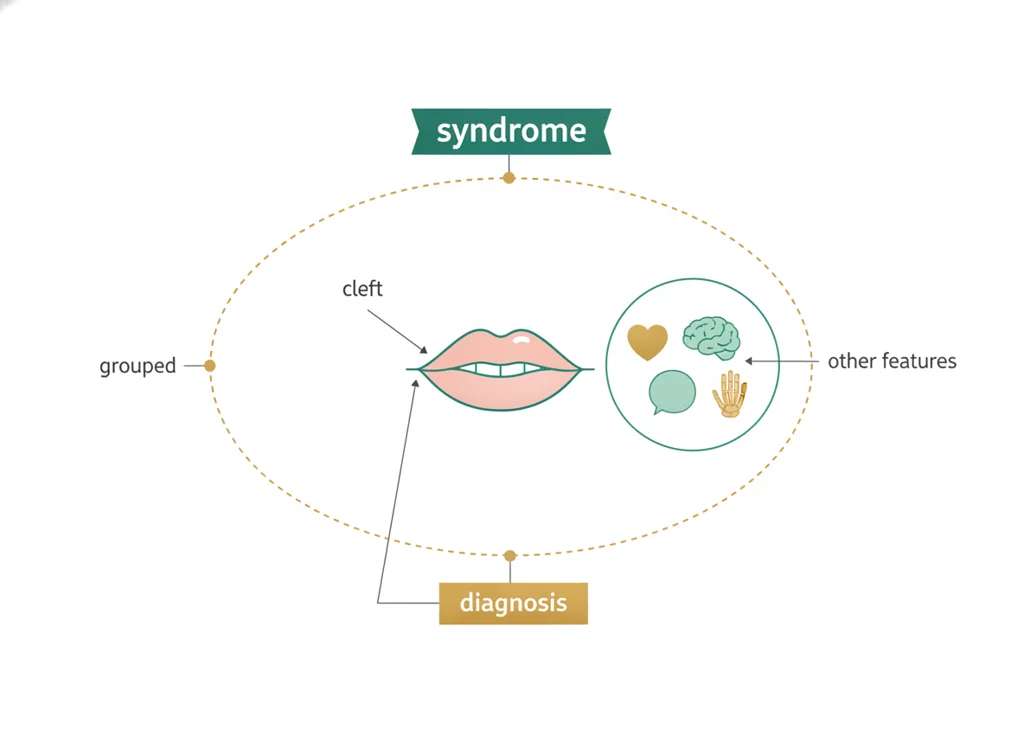
A cleft that comes packaged with other features as part of a named syndrome, accounting for roughly 30 percent of clefts.
Research citation trail (advanced)
You do not need these papers or database records to finish the lesson. They document where the plain-language explainer's claims come from and are intended for teachers or advanced readers.
- American Cleft Palate Craniofacial Association. 2024 Parameters of Care.
- Yan S, et al. 2024. Prenatal CL/P ultrasound abnormalities and copy number variants. Ital J Pediatr. [PMID:39169438]
- Askarian S, et al. 2022. Genetic factors in cleft lip-cleft palate and clinical utility. Oral Maxillofac Surg. [PMID:35426585]
- Wilkes C, et al. 2023. Prenatal diagnosis of cleft lip and/or palate: counseling parents. Prenat Diagn. [PMID:37552068]