
Mateo's Complete Clinical Story (and His Diagnosis)
This reading contains every idea and every piece of evidence needed for today's decision. The research links at the end are optional.
Why this matters
A strong clinical synthesis helps every specialist work from the same honest story.
The question you are trying to answer
Which cards describe anatomy, cause, and care?
Begin with the idea you already earned
A cleft team works when specialists share one plan, one record, and clear ownership across time.
Study the analogy before the biology
- Which cards describe anatomy, cause, and care?
- Which missing card would change the conclusion?
- How do claim limits protect the final decision?
Turn the analogy into three rules
Limit: A medical synthesis is not a courtroom verdict. The analogy models evidence organization and claim limits.
Map those rules onto the biology
Mateo's anatomy is clear: a complete unilateral left cleft lip and palate.
No repeated pattern of other findings has appeared, so the current classification is isolated and nonsyndromic. That conclusion can be reopened if new evidence appears.
The cause model is multifactorial, and the care plan is longitudinal. The cleft is one developmental difference managed by a coordinated team over time.
Read Mateo's labeled case evidence
The anatomy is a complete unilateral left cleft lip and palate.
The structural diagnosis is specific and stable.
Repeated exam, family history, and follow-up show no consistent additional syndrome pattern.
The record supports an isolated, nonsyndromic classification at this time.
No single proven cause is identified, and research supports many contributing gene and environment influences.
A multifactorial risk model fits the evidence.
Mateo needs staged feeding, surgical, speech, hearing, dental, growth, psychosocial, and coordination follow-up.
The diagnosis includes a longitudinal care plan, not only a label.
Make the concrete decision
You are presenting Mateo at the five-domain grand rounds.
The panel asks for one complete diagnosis statement and one condition that would make you reopen it.
- Isolated nonsyndromic complete unilateral left cleft lip and palate, likely multifactorial, with staged team care
- A cleft caused by one specific exposure
- A confirmed syndrome despite no matching pattern
Choose the synthesis, cite at least three evidence IDs, and name one new finding that would require revision.
Claim ceiling: You may state the best current synthesis. You may not claim certainty about one causal variant or exposure.
Write the 10-year takeaway
Mateo's record supports an isolated, nonsyndromic cleft lip and palate with multifactorial risk and lifelong coordinated care.
- What evidence supports each part of the final diagnosis statement?
- What new evidence would make the team reopen the syndromic question?
Glossary in plain English
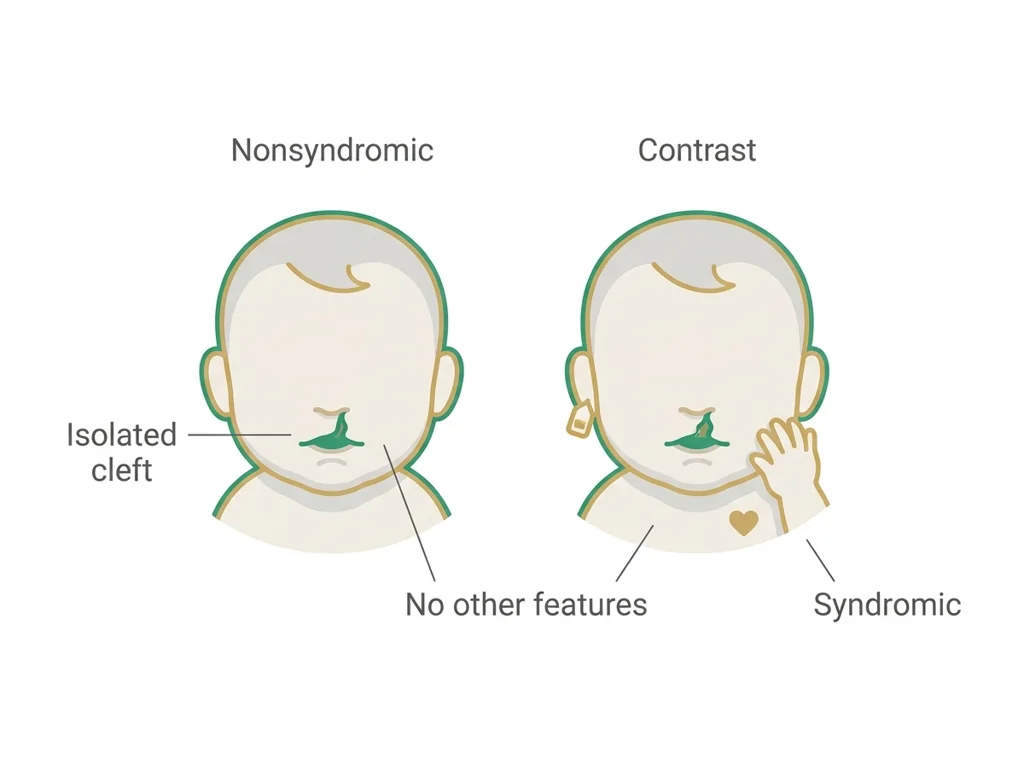
Describing a condition, such as a cleft, that occurs on its own without a set of other linked birth differences.
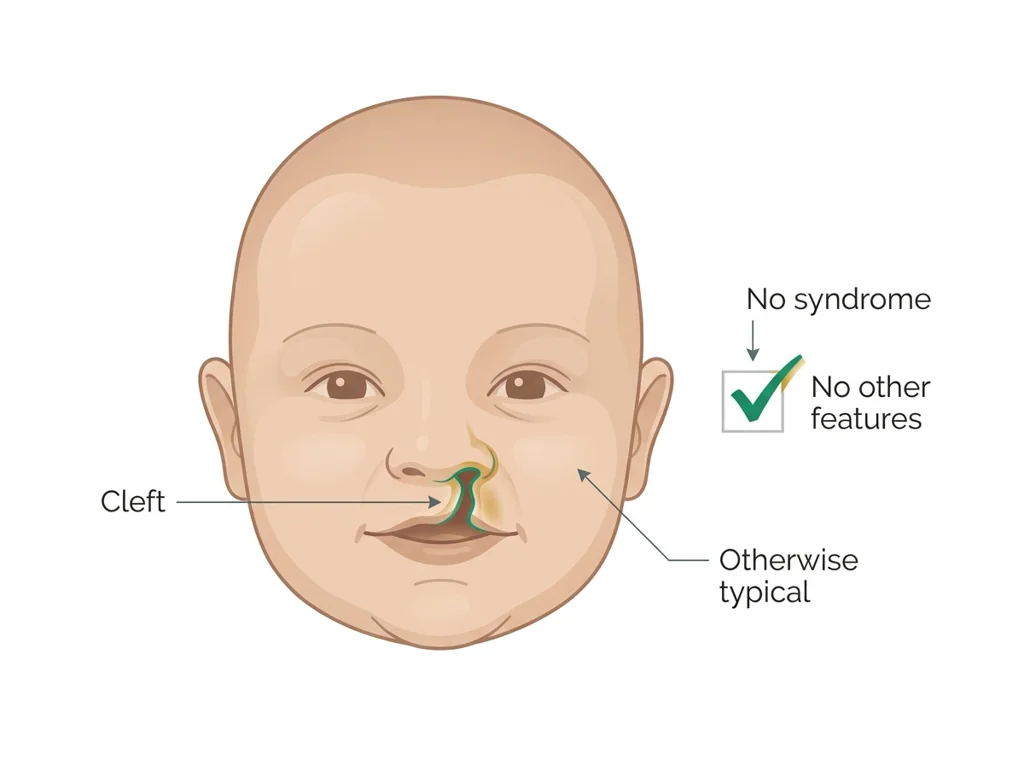
A cleft of the lip or palate that occurs on its own, without other birth differences or a recognized syndrome.
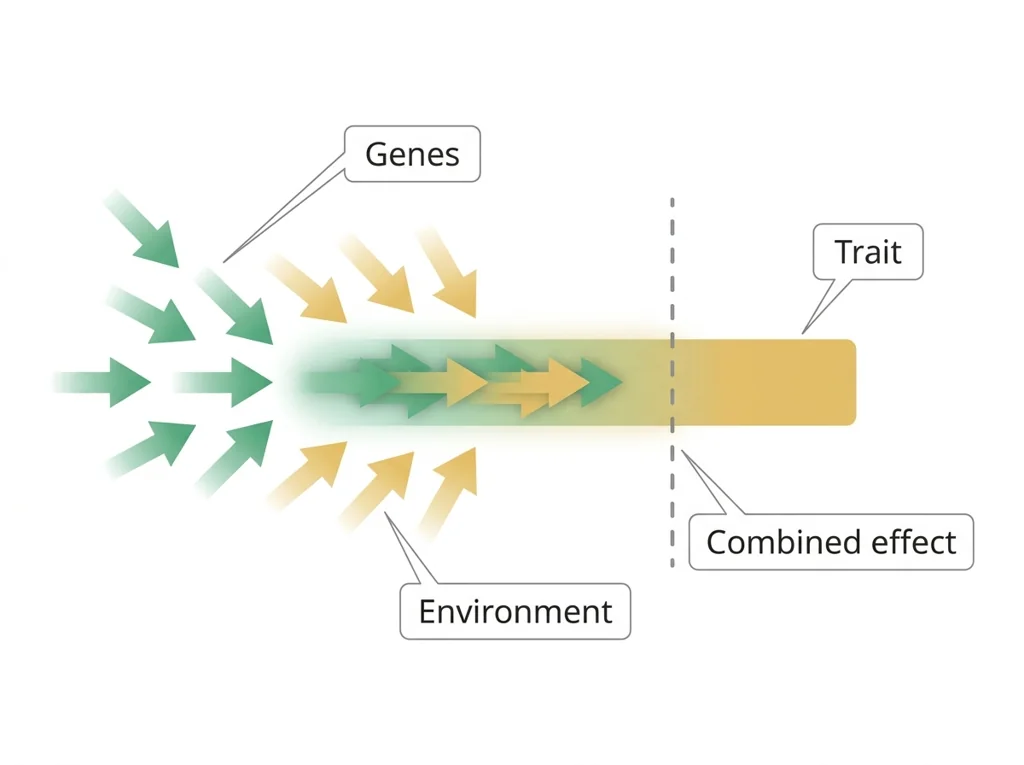
A trait caused by many small genetic and environmental factors adding up together, rather than by a single gene alone.
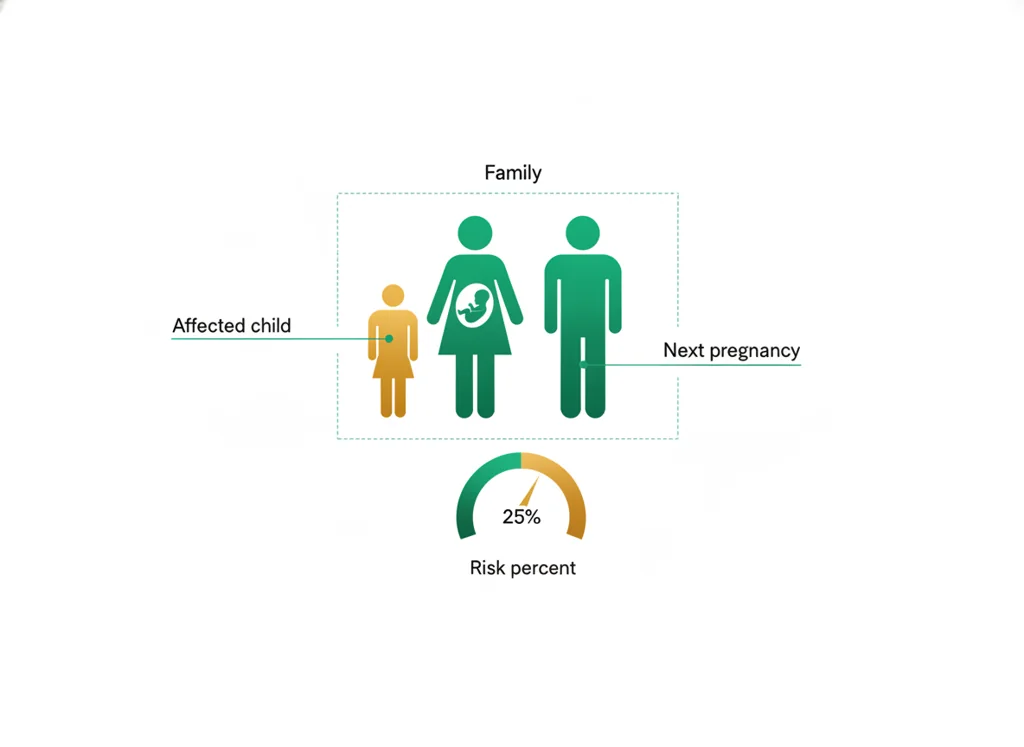
The chance that a future child in the same family will also be affected by a given condition.
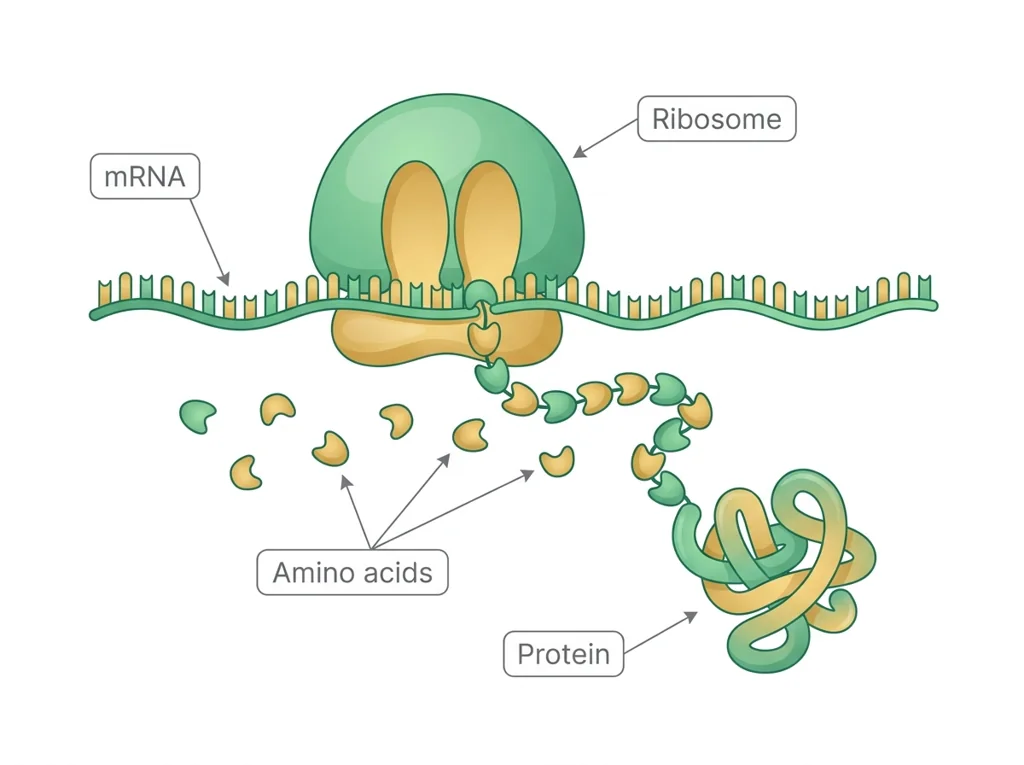
Building a molecule in the cell, as in protein synthesis (making a protein from mRNA).
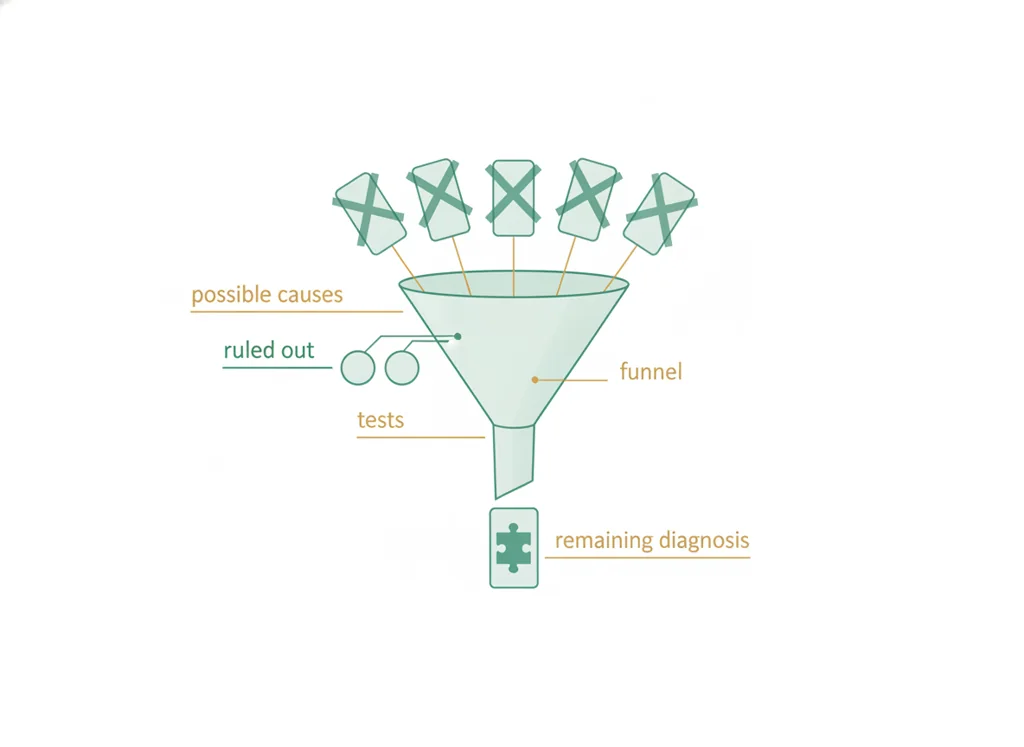
A diagnosis reached only after ruling out every other likely cause, since no single test can confirm the condition directly.
Research citation trail (advanced)
You do not need these papers or database records to finish the lesson. They document where the plain-language explainer's claims come from and are intended for teachers or advanced readers.
- American Cleft Palate Craniofacial Association. 2024 Parameters of Care.
- Dixon MJ, et al. 2011. Cleft lip and palate: genetic and environmental influences. Nat Rev Genet. [PMID:21331089]
- Vyas T, et al. 2020. Cleft of lip and palate: A review. J Family Med Prim Care. [PMID:32984097]
- Yan S, et al. 2024. Prenatal CL/P ultrasound abnormalities and copy number variants. Ital J Pediatr. [PMID:39169438]
- Askarian S, et al. 2022. Genetic factors in cleft lip-cleft palate and clinical utility. Oral Maxillofac Surg. [PMID:35426585]