
Does Every Child Like Mateo Get the Same Care?
This reading contains every idea and every piece of evidence needed for today's decision. The research links at the end are optional.
Why this matters
A perfect medical plan cannot help a child if the family cannot reach or use it.
The question you are trying to answer
Is the bridge itself different?
Begin with the idea you already earned
Psychosocial care belongs in the treatment plan because health includes confidence, relationships, school, and family well-being.
Study the analogy before the biology
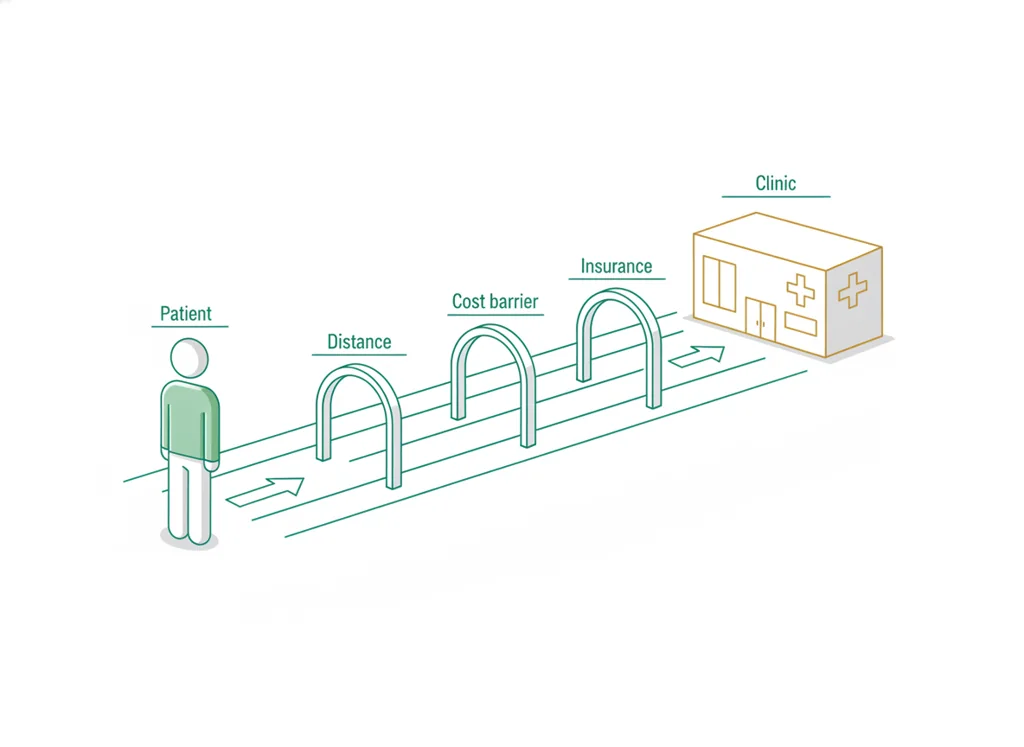
- Is the bridge itself different?
- Which road barriers change who can use it?
- What could be redesigned without lowering the destination?
Turn the analogy into three rules
Limit: Families are not locations on a map. The analogy models structural barriers to access.
Map those rules onto the biology
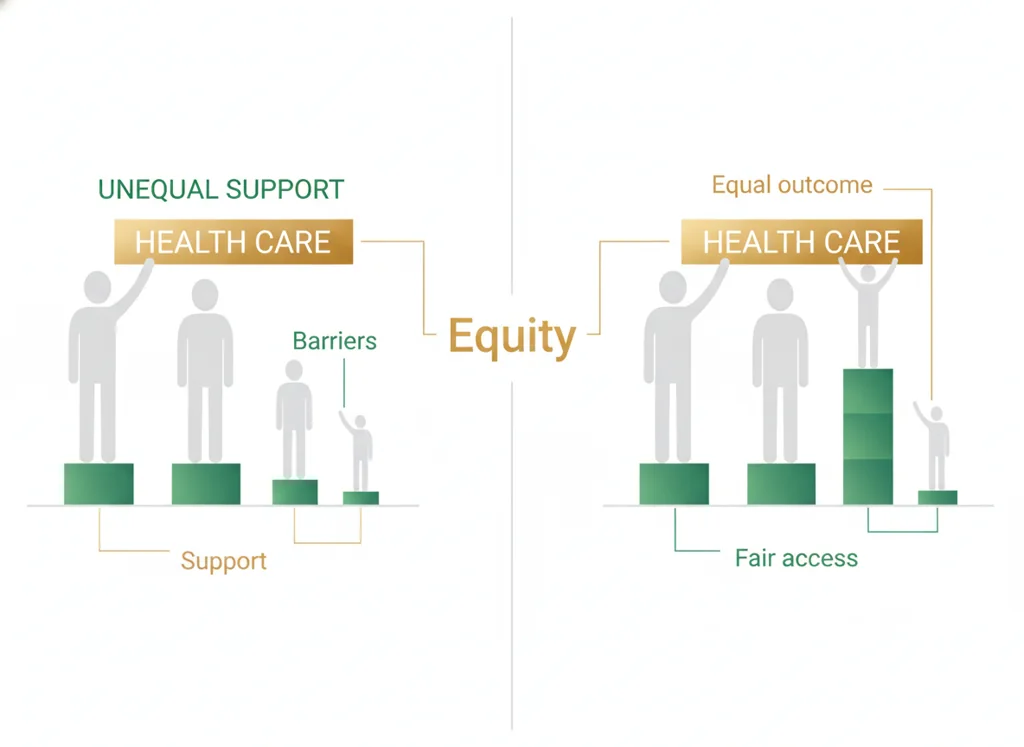
Health equity means helping people reach the same fair health goal, even when the path and support must differ.
Common barriers include travel, cost, time away from work, specialist shortages, language, and complicated scheduling.
The team should name the barrier, choose a matching support, and keep the clinical standard clear.
Read Mateo's labeled case evidence
The family missed two visits because the caregiver could not leave work and the clinic is across the city.
Scheduling and transportation are documented barriers.
The next required services are hearing and speech follow-up, both available through the hospital network.
The clinical goal is clear and should remain unchanged.
The network offers combined appointments, transportation support, and telehealth check-ins when clinically appropriate.
Available supports match the named barriers.
Make the concrete decision
You are the care coordinator after two missed visits.
You need a recovery plan that protects care without blaming the family.
- Bundle visits, arrange transportation support, and use appropriate telehealth follow-up
- Discharge the family for noncompliance
- Lower the hearing and speech goals
Choose the recovery plan and match each support to one documented barrier.
Claim ceiling: You may respond to the documented barriers. You may not invent income, immigration, language, or family details not in the case.
Write the 10-year takeaway
Equal treatment is not always equitable care; the plan must remove the barriers that block access to the same health goal.
- What is the difference between equal and equitable care in this case?
- Which support matches each documented barrier?
Glossary in plain English
The goal that everyone has a fair chance to be healthy, by removing avoidable barriers tied to income, race, or where people live.
The ability of people, especially those with low income or in rural areas, to actually reach and receive the medical care they need.
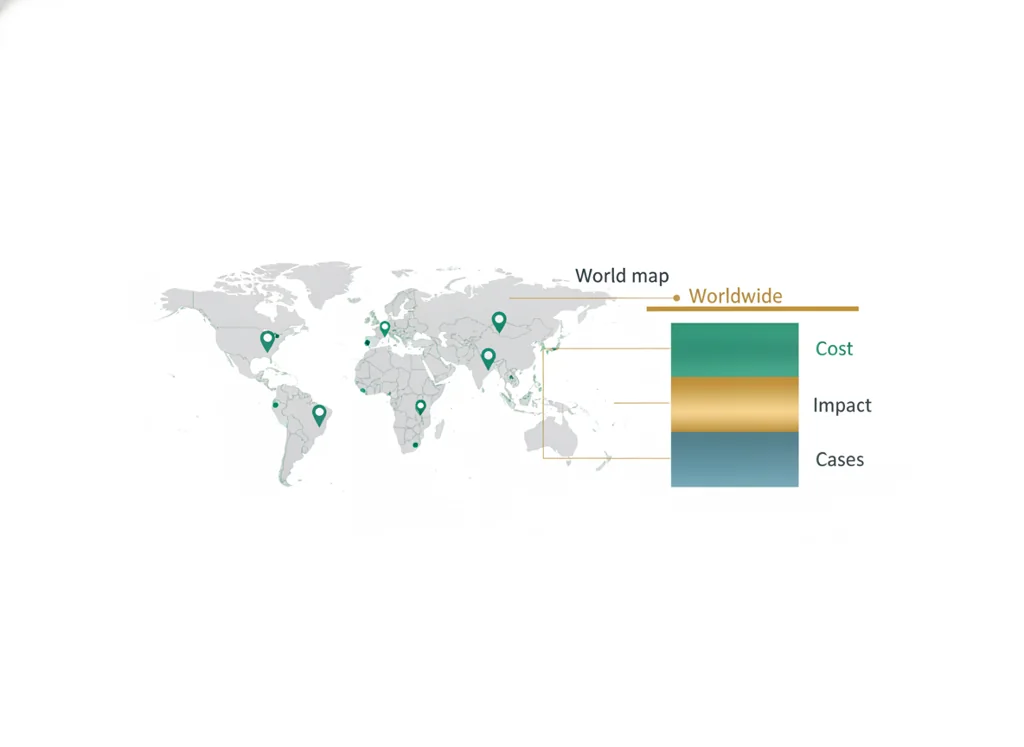
The total impact of a disease worldwide, counting how many people it affects and the illness, disability, and cost it causes.
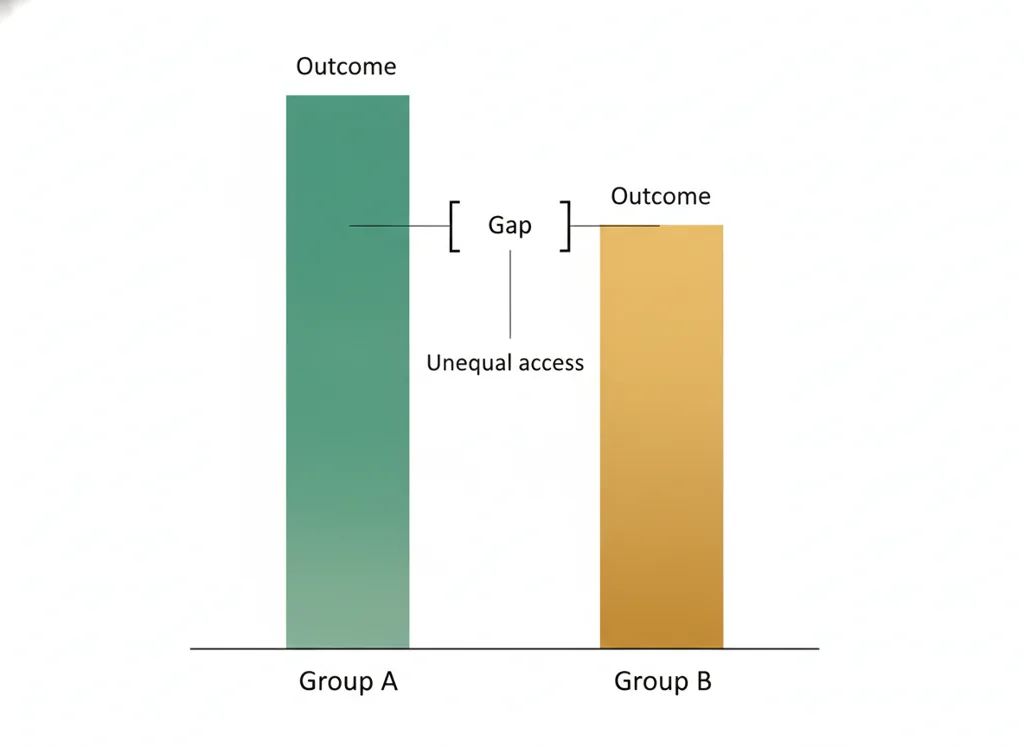
An unfair, avoidable difference in health or care between groups, often tied to income, geography, race, or access to treatment.
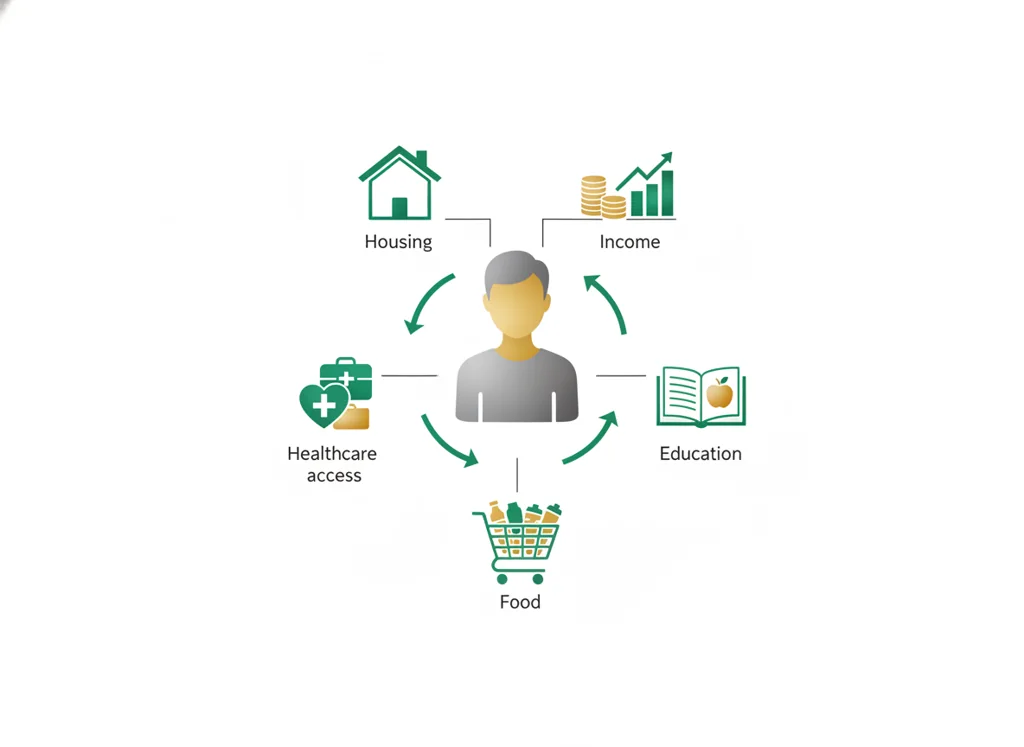
The conditions in which people live, learn, work, and access care that shape their health beyond their biology.
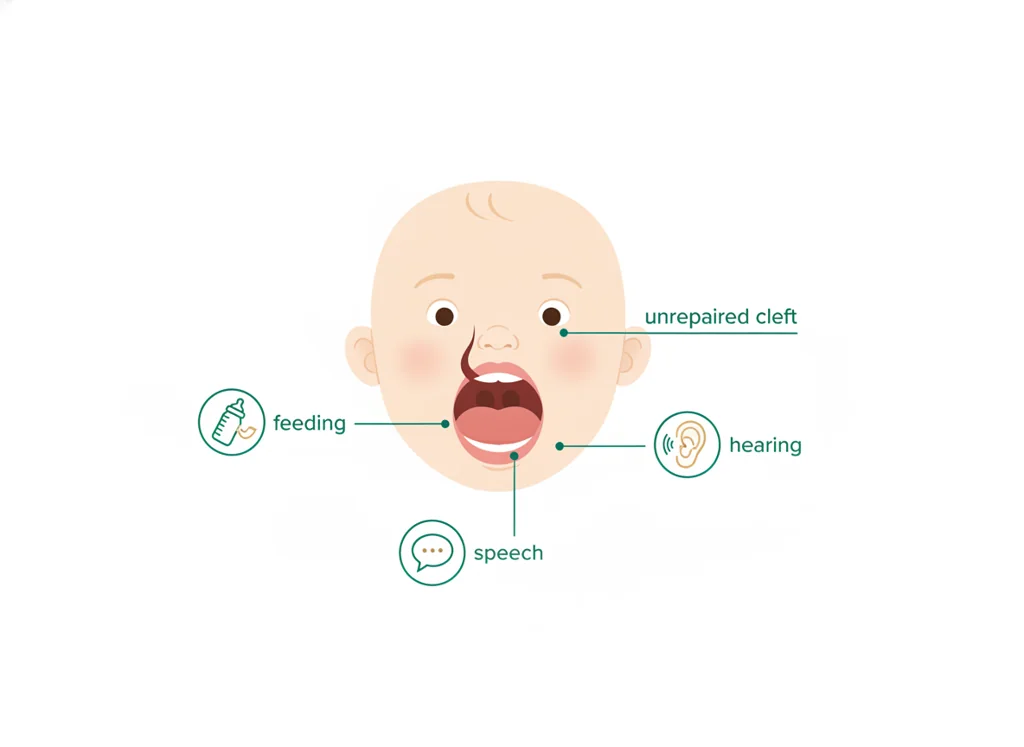
A cleft lip or palate that has not been surgically repaired, which can affect feeding, speech, hearing, and dental health over time.
Research citation trail (advanced)
You do not need these papers or database records to finish the lesson. They document where the plain-language explainer's claims come from and are intended for teachers or advanced readers.