
The Plan for the Next 18 Years
This reading contains every idea and every piece of evidence needed for today's decision. The research links at the end are optional.
Why this matters
Cleft care can run from birth to about age 18, so families need the next step without losing the long view.
The question you are trying to answer
Why does cleft care take years instead of one operation?
Begin with the idea you already earned
Most isolated clefts reflect many small genetic and environmental influences crossing a developmental threshold.
Study the analogy before the biology
- Why can one missed connection affect later steps?
- Which stops are fixed and which can vary?
- Who keeps the whole route visible?
Turn the analogy into three rules
Limit: Care is individualized and families are not trains. The analogy models sequence, timing, and coordination.
Map those rules onto the biology
Cleft care is staged because different needs appear as a child grows. Feeding comes before speech, and early repairs come before later dental and jaw decisions.
Some windows matter because a body system or skill is developing quickly, such as speech in infancy and early childhood.
A coordinator and a shared record keep the plan connected across specialists and years.
Read Mateo's labeled case evidence
Mateo needs feeding and growth follow-up now, before surgery.
Immediate needs come first in the sequence.
Lip and palate operations are staged at different times for different purposes.
One operation cannot solve every problem.
Hearing, speech, dental growth, psychosocial health, and facial growth require repeated checks over years.
The plan must extend beyond the first repair.
Make the concrete decision
You are Mateo's cleft team coordinator.
The family wants a one-page plan that shows what happens now, in infancy, in childhood, and in adolescence.
- Create a staged plan tied to developmental needs and review points
- Promise one surgery will finish care
- List specialists without timing or ownership
Choose the plan structure and place each evidence item in the correct time band.
Claim ceiling: You may provide typical windows and ownership. You may not promise exact dates before individual evaluation.
Write the 10-year takeaway
Cleft care follows developmental windows, so the right action depends on what the child needs next.
- Why is the plan organized by developmental windows?
- Which parts of the timeline need repeated checks rather than one visit?
Glossary in plain English
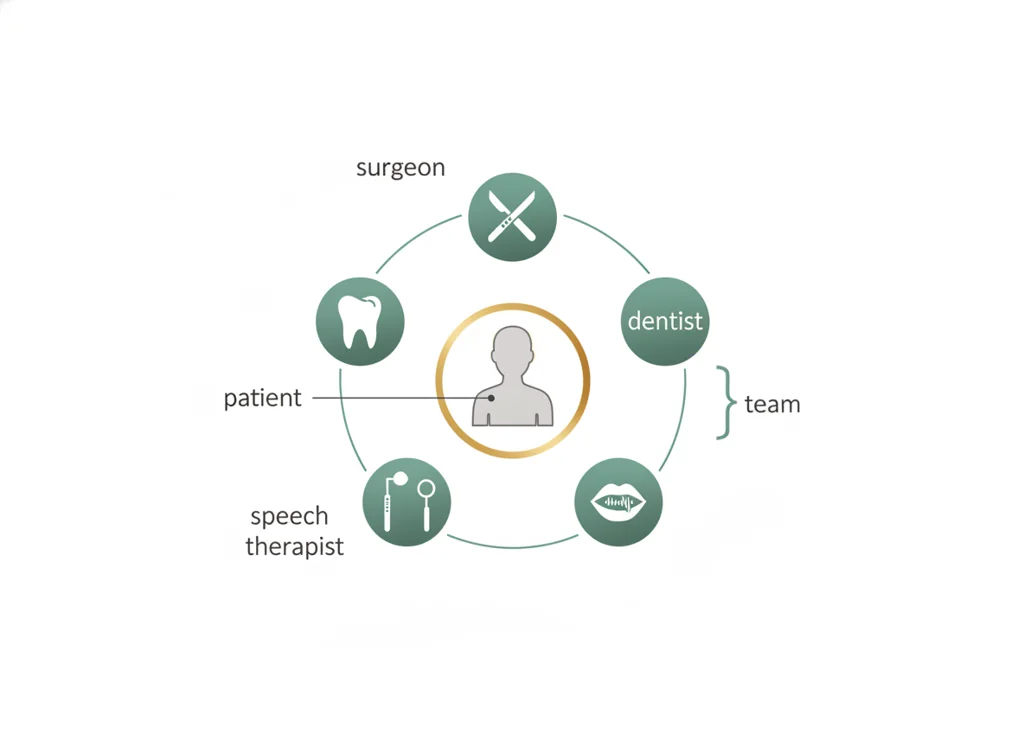
Care provided by a team of different specialists who coordinate their treatment plans for one patient.
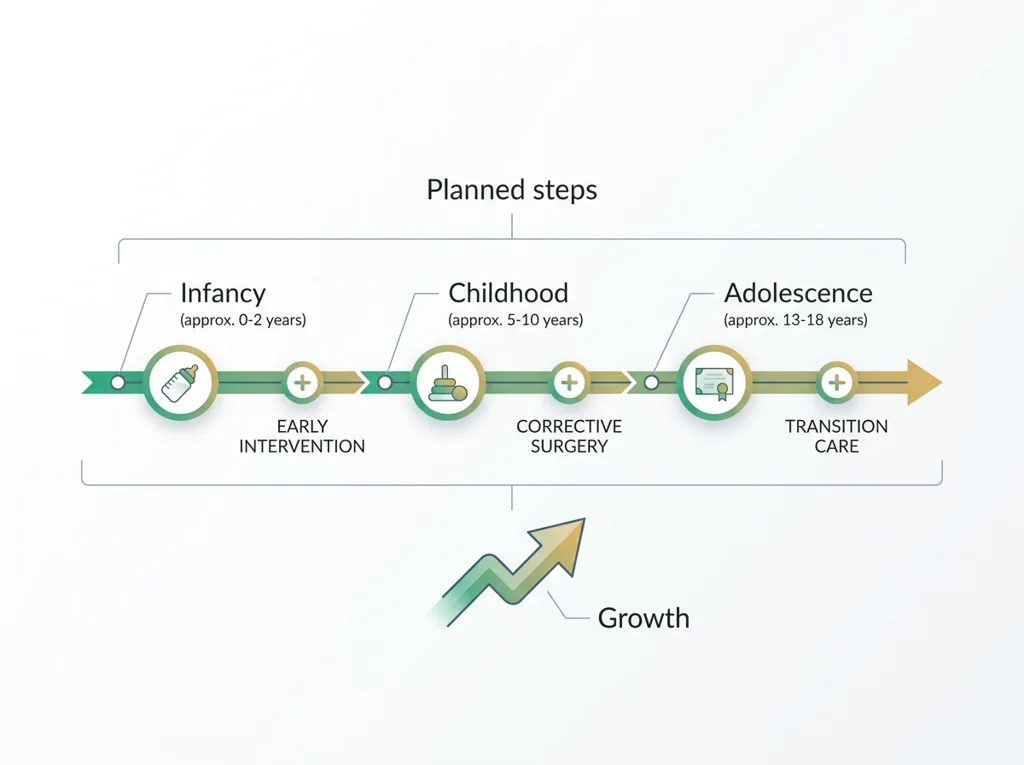
A treatment plan delivered in planned steps across years, matching each procedure to the right point in a child's growth.
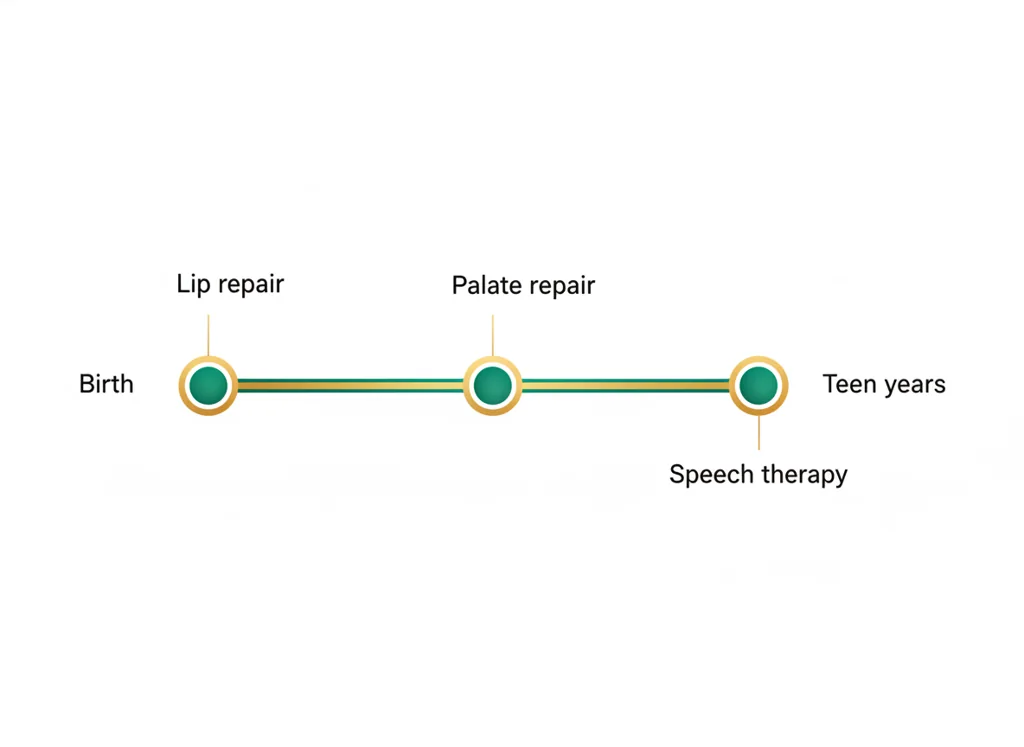
The planned sequence of treatments and check-ups a patient receives over months and years, with each step scheduled at the right age.
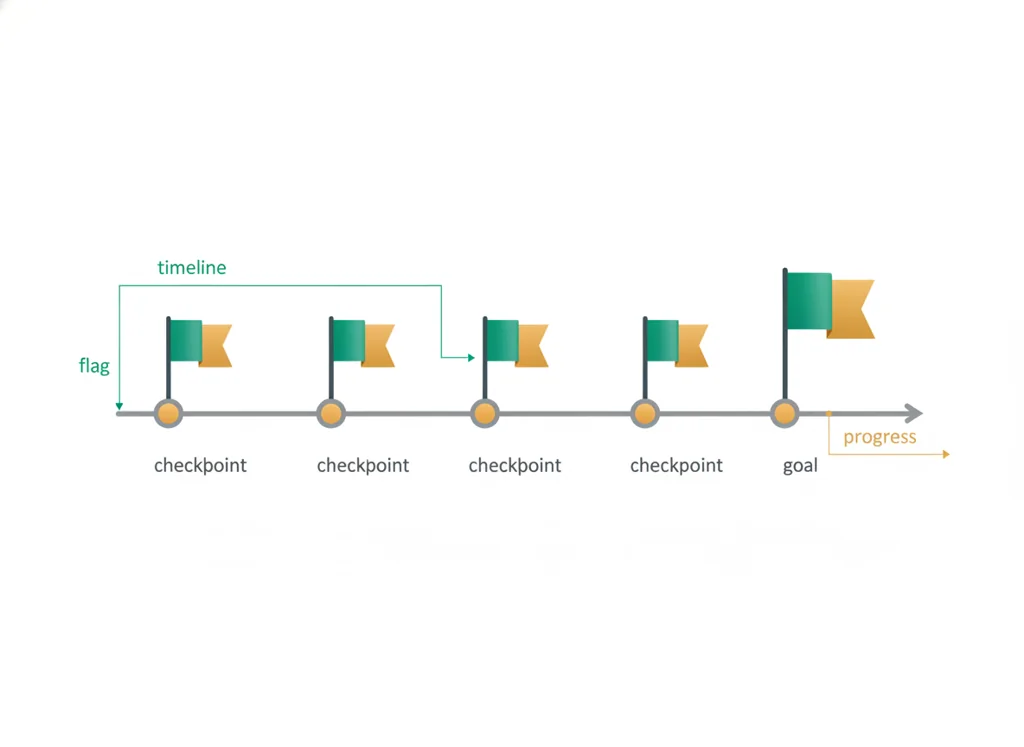
A key checkpoint or expected achievement reached by a set point, used to track a child's development or a project's progress.
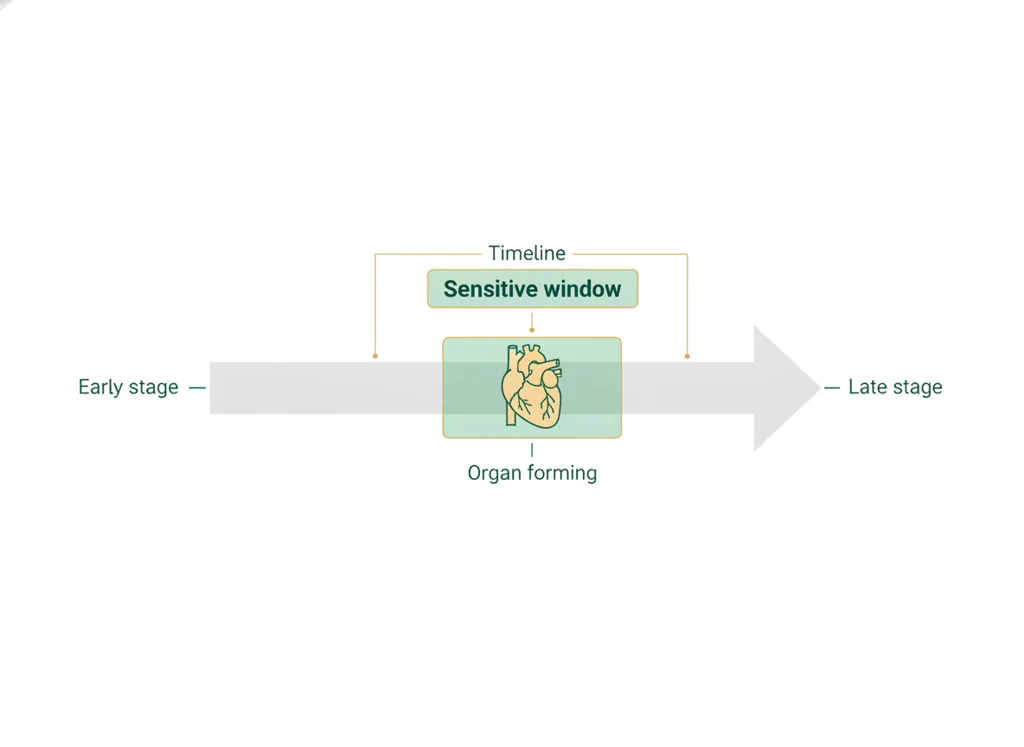
A limited period during growth when a tissue or organ is forming and is most sensitive to genes, signals, or disruptions.
Research citation trail (advanced)
You do not need these papers or database records to finish the lesson. They document where the plain-language explainer's claims come from and are intended for teachers or advanced readers.
- American Cleft Palate Craniofacial Association. 2024 Parameters of Care.
- Vyas T, et al. 2020. Cleft of lip and palate: A review. J Family Med Prim Care. [PMID:32984097]
- James JN, et al. 2014. Management of cleft lip and palate and orthognathic considerations. Oral Maxillofac Surg Clin North Am. [PMID:25438882]
- Dean KM, Leeper LK. 2020. Management of submucous cleft palate. Curr Opin Otolaryngol Head Neck Surg. [PMID:33105231]