
Two Shelves Become One Roof: Adhesion, the Medial Edge Epithelium, and the Seam
This reading contains every idea and every piece of evidence needed for today's decision. The research links at the end are optional.
Why this matters
Scientists need separate words for steps that occur minutes or hours apart.
The question you are trying to answer
What must match before docking begins?
Begin with the idea you already earned
Palatal shelves must rapidly elevate above the tongue, and jaw-tongue geometry can block that movement.
Study the analogy before the biology
- What must match before docking begins?
- How is touching different from locking?
- What prevents the wrong surfaces from attaching?
Turn the analogy into three rules
Limit: Cells use changing proteins and behaviors, not metal docking latches.
Map those rules onto the biology
Once the shelves are above the tongue, their inner edges approach the midline. These edges are covered by medial edge epithelium.
Touching is apposition. Stable sticking is adhesion. The two are related but not identical.
The first stable connection forms a midline epithelial seam that must later be removed.
Read Mateo's labeled case evidence
Elevated shelves grow toward one another at the midline.
Correct position creates the opportunity for contact.
The medial edge epithelia make contact and adhere.
A specific surface interaction begins fusion.
Contact creates a midline epithelial seam.
The first joined state still contains an epithelial wall.
Make the concrete decision
You are scoring palate explants after 24 hours in culture.
One pair touches but separates with gentle handling. Another pair forms a stable midline seam.
- Score the first as contact without stable adhesion and the second as adhesion.
- Score both as complete fusion.
- Ignore the seam because touching is always enough.
Choose the scoring rule and cite the evidence that separates contact from adhesion.
Claim ceiling: You may score contact and adhesion. You may not call mesenchymal fusion complete while the seam remains.
Write the 10-year takeaway
After elevation, the medial edges must recognize, adhere to, and align with one another before fusion can continue.
- How is apposition different from adhesion?
- Why is a midline seam not yet the final continuous palate?
Glossary in plain English
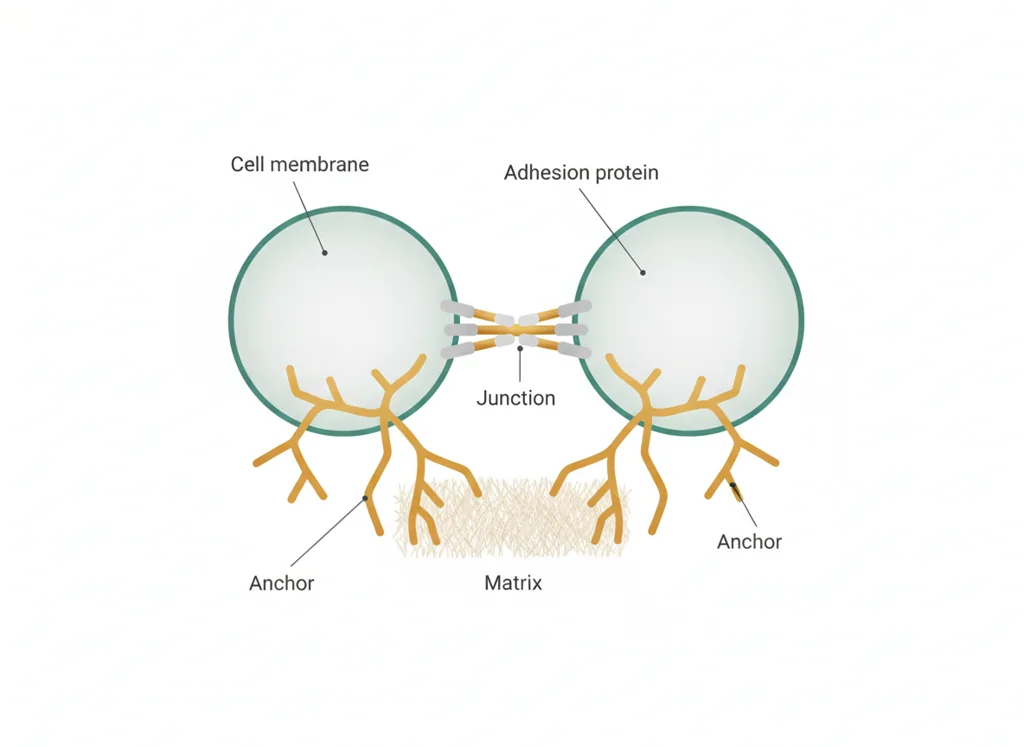
The way cells stick to each other and to the matrix around them using surface proteins, holding tissues together and guiding how they move.
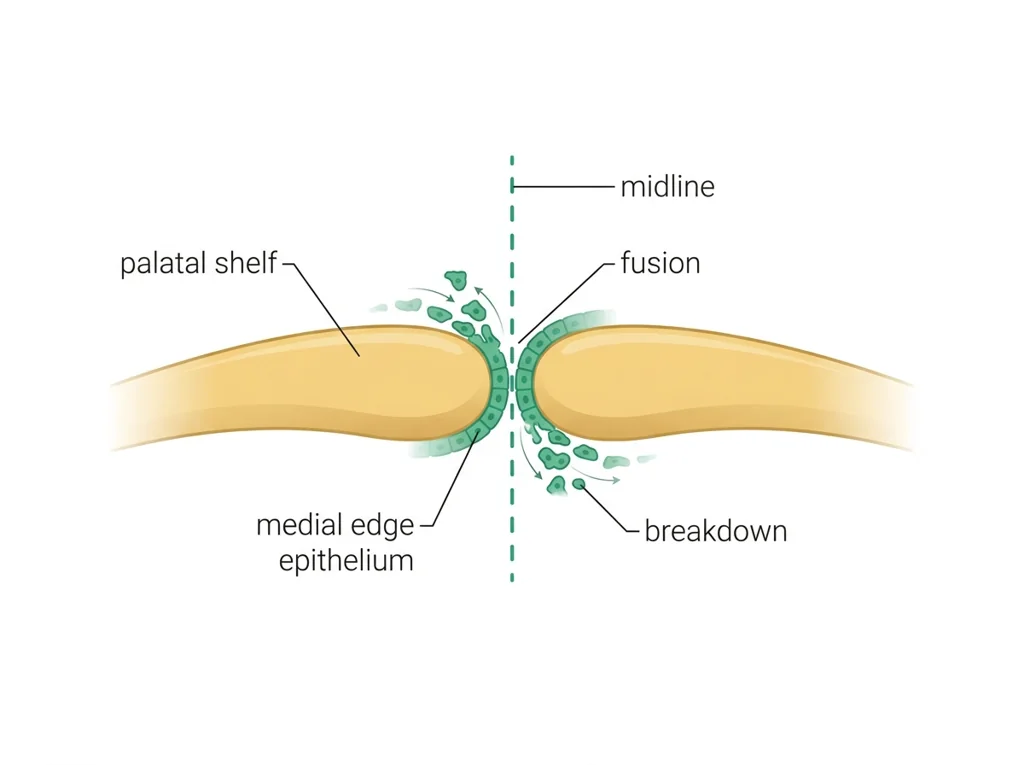
The cell layer on the inner edge of each palatal shelf, which must be removed for the shelves to fuse into a single palate.
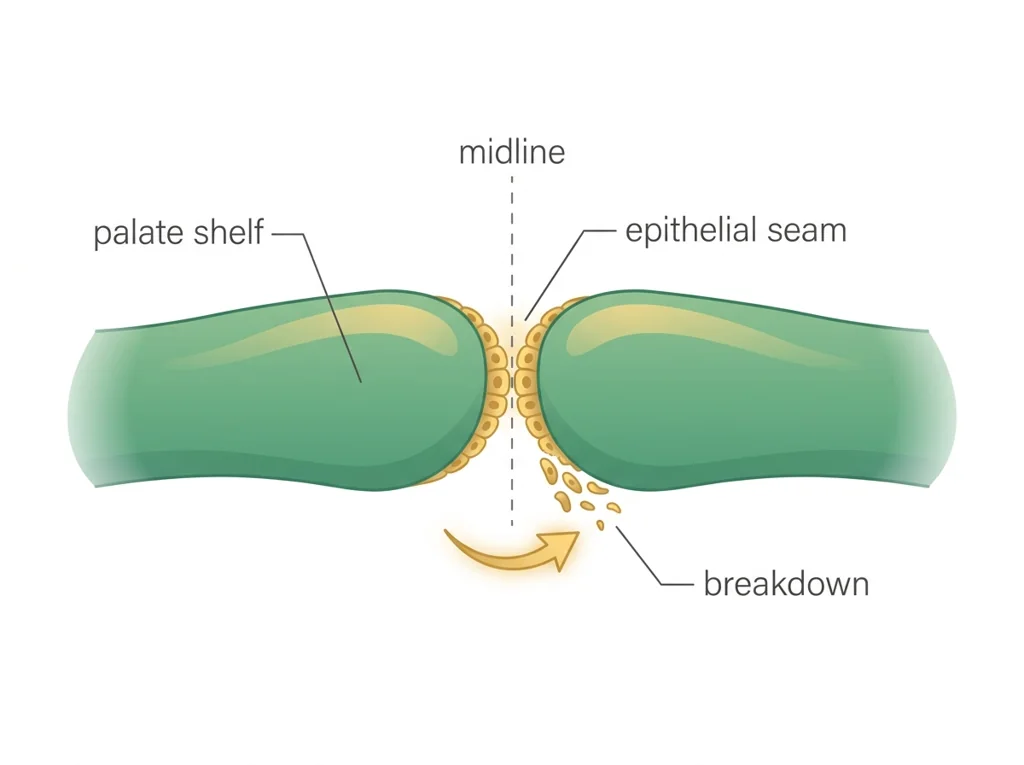
The thin line of surface cells formed when the two palate shelves meet, which must break down so the palate can fully fuse.
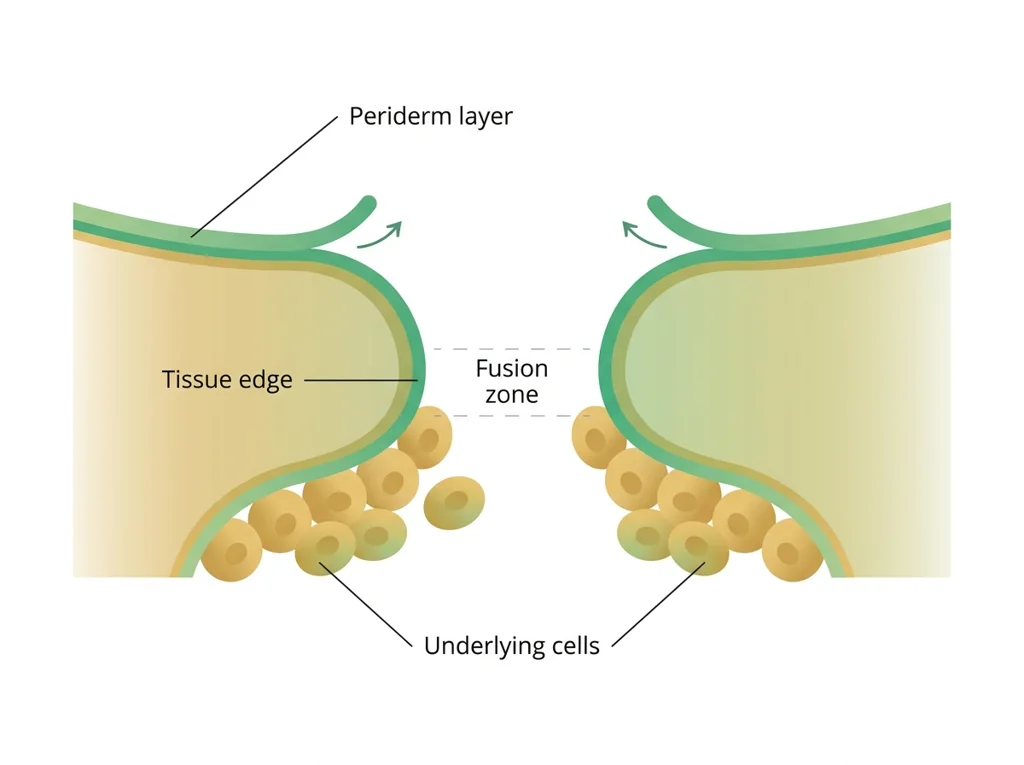
A thin temporary outer cell layer of the embryo; if it sticks where it should not, the growing edges cannot fuse.
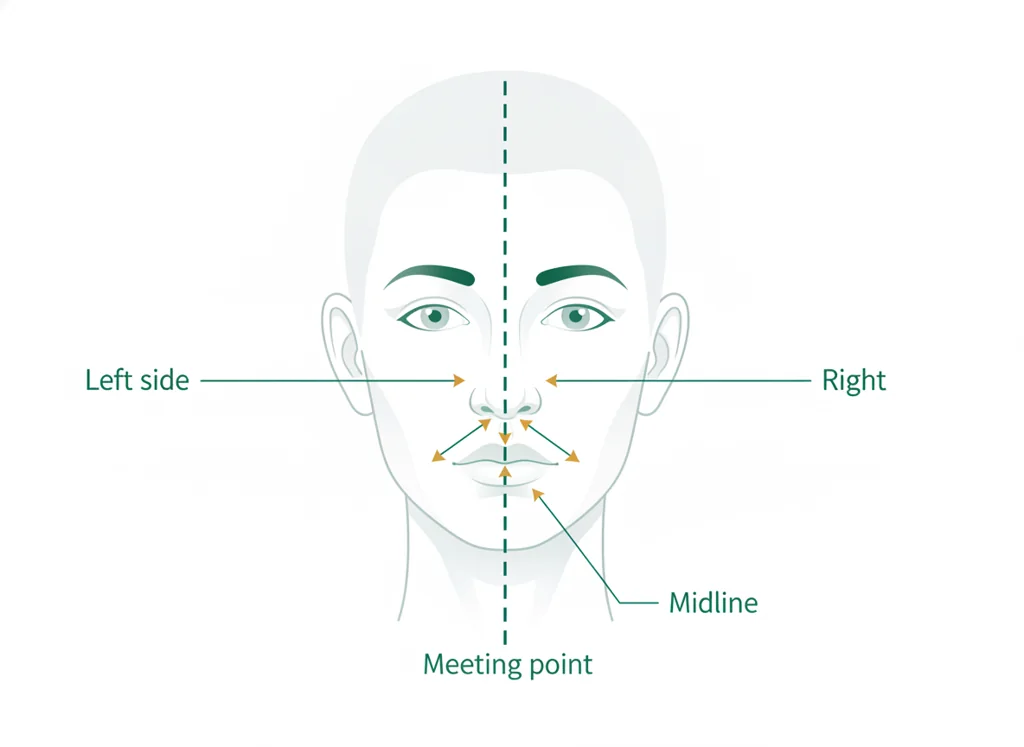
The imaginary center line of the body; many facial structures form by growing toward and meeting at it.
Research citation trail (advanced)
You do not need these papers or database records to finish the lesson. They document where the plain-language explainer's claims come from and are intended for teachers or advanced readers.
- Lan & Jiang 2015, Cellular and Molecular Mechanisms of Palatogenesis (Curr Top Dev Biol)
- Bush & Jiang 2011, Palatogenesis: morphogenetic and molecular mechanisms of secondary palate development (Development)
- de la Garza et al. 2015, Irf6 directly regulates Klf17 in zebrafish periderm (Hum Mol Genet)