
How Do the Face-Building Cells Get to the Right Place?
This reading contains every idea and every piece of evidence needed for today's decision. The research links at the end are optional.
Why this matters
A cell with the right fate potential still fails the system if it never reaches the correct place.
The question you are trying to answer
Why are the routes separated?
Begin with the idea you already earned
Cranial neural crest cells leave the neural folds as flexible builders that can become several craniofacial tissues.
Study the analogy before the biology
- Why are the routes separated?
- What happens if a crew exits at the wrong station?
- What information must a route provide besides direction?
Turn the analogy into three rules
Limit: Migrating cells respond to molecular cues rather than reading a transit map.
Map those rules onto the biology
Cranial neural crest cells travel along organized pathways. Scientists can label the cells and follow the streams in model organisms.
Some streams enter the frontonasal region. Others enter pharyngeal arches that contribute to jaws and related structures.
If too few cells arrive, the target tissue may be smaller than expected. This is called hypoplasia.
Read Mateo's labeled case evidence
Cranial neural crest cells migrate in reproducible streams.
Their movement has spatial organization.
Different streams enter the frontonasal region and pharyngeal arches.
Route and destination are linked.
Reduced neural crest survival or migration can cause facial hypoplasia.
Cell number at the destination affects growth.
Make the concrete decision
You are reviewing a lineage-tracing image from a mouse embryo.
One labeled stream reaches the first pharyngeal arch, while a second group stalls near the neural tube.
- Predict reduced tissue contribution in the stalled group's destination.
- Predict no effect because cell position never matters.
- Claim the image proves a specific human diagnosis.
Choose the defensible prediction and cite the route and cell-number evidence.
Claim ceiling: You may predict a developmental consequence in the model. You may not diagnose Mateo from one animal image.
Write the 10-year takeaway
Face-building cells must travel in organized streams to the right destination before they can build the right structure.
- How is an organized stream different from random movement?
- What could happen if too few cells reach a facial destination?
Glossary in plain English
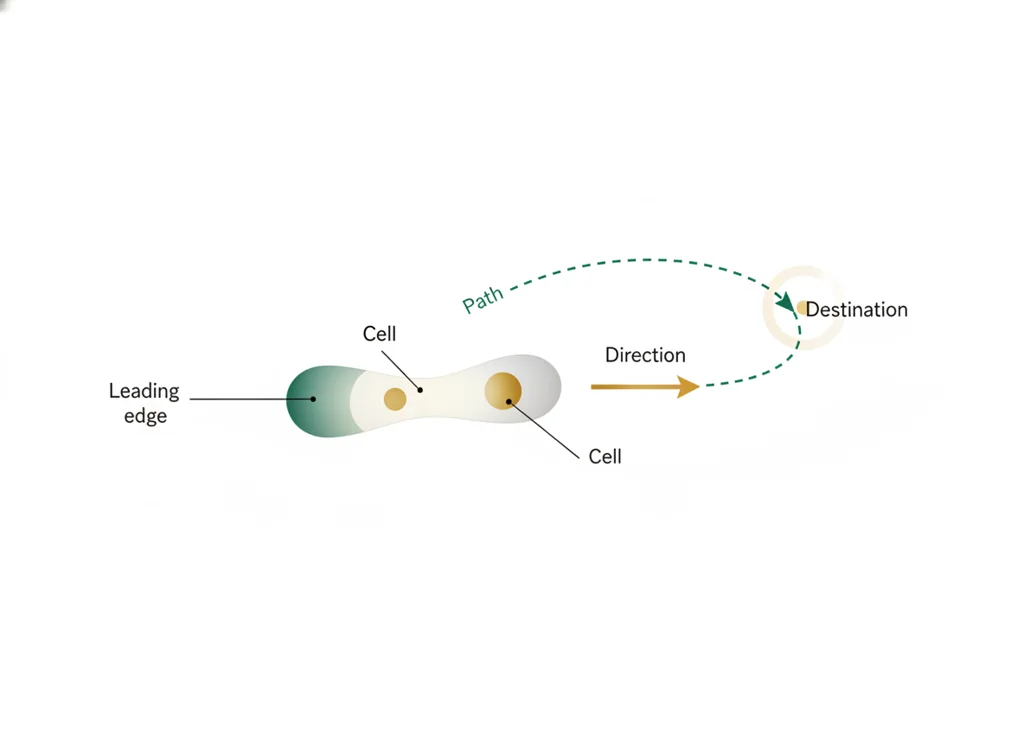
The active movement of cells from one location to another, essential during development, wound healing, and the spread of cancer.
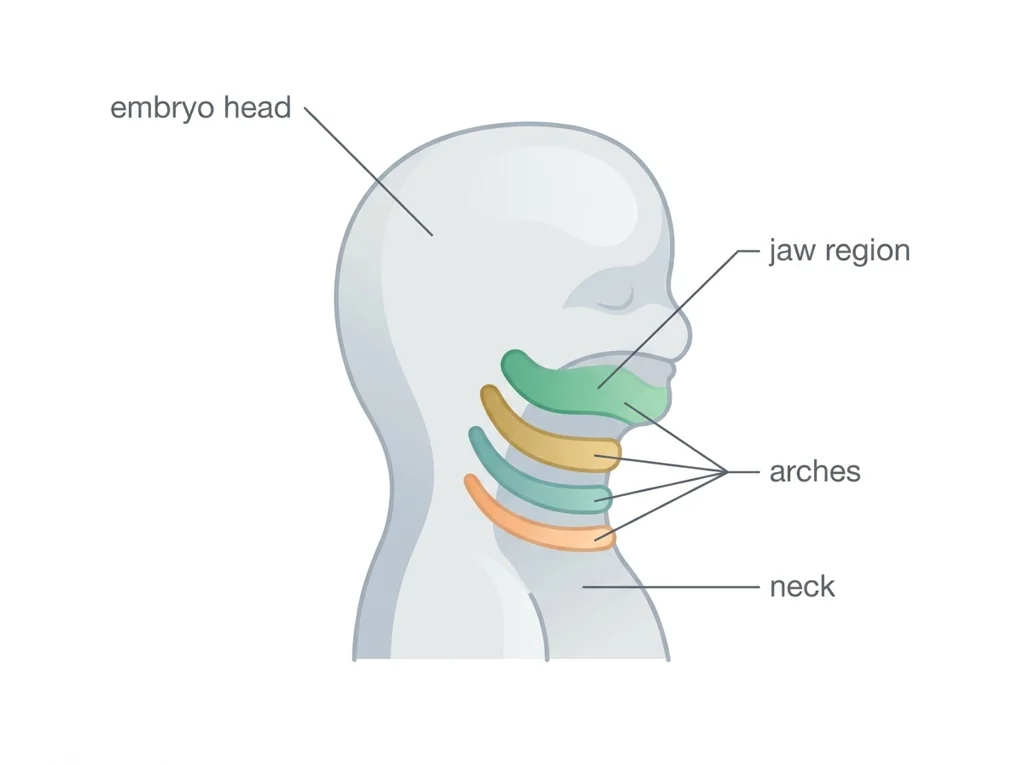
One of the ridged blocks of embryo tissue along the future neck that give rise to the jaw, face, and throat structures.
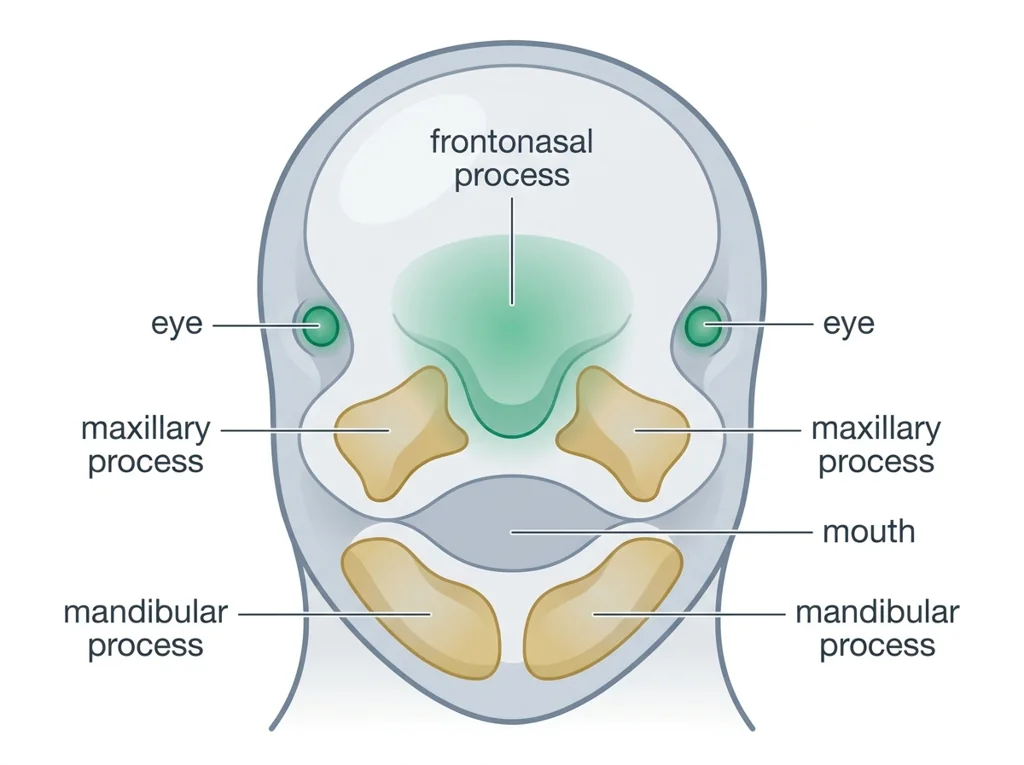
An early facial swelling above the mouth that grows into the forehead, the bridge and tip of the nose, and the middle of the upper lip.
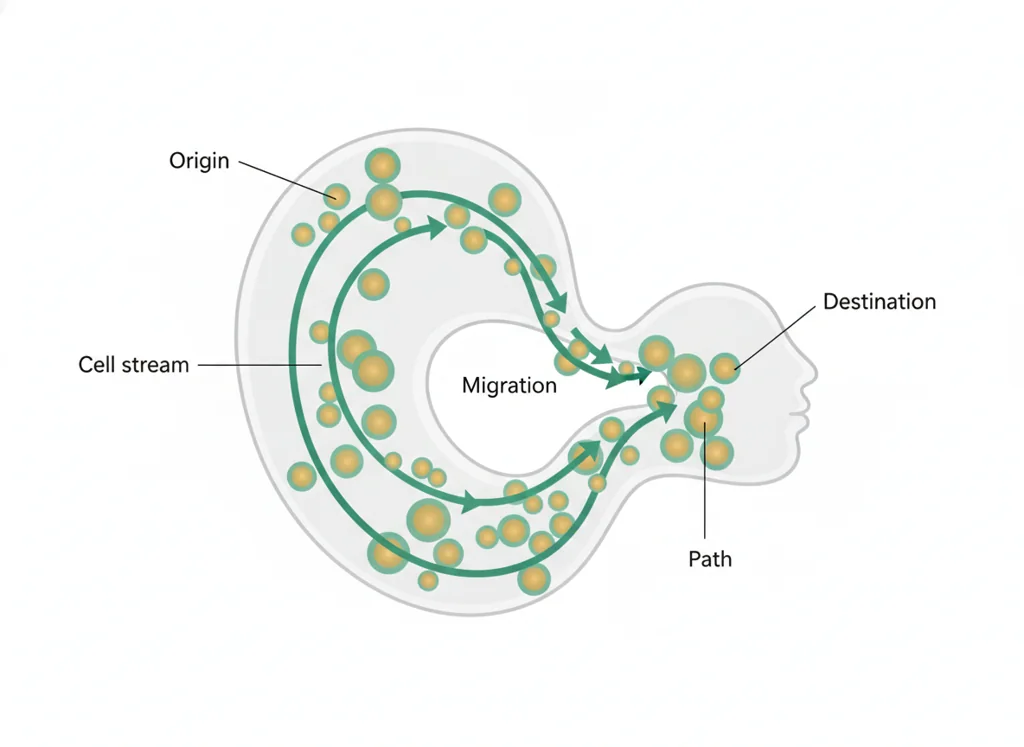
An organized flow of cells, such as neural crest cells, traveling together along a set path to where they will build a structure.
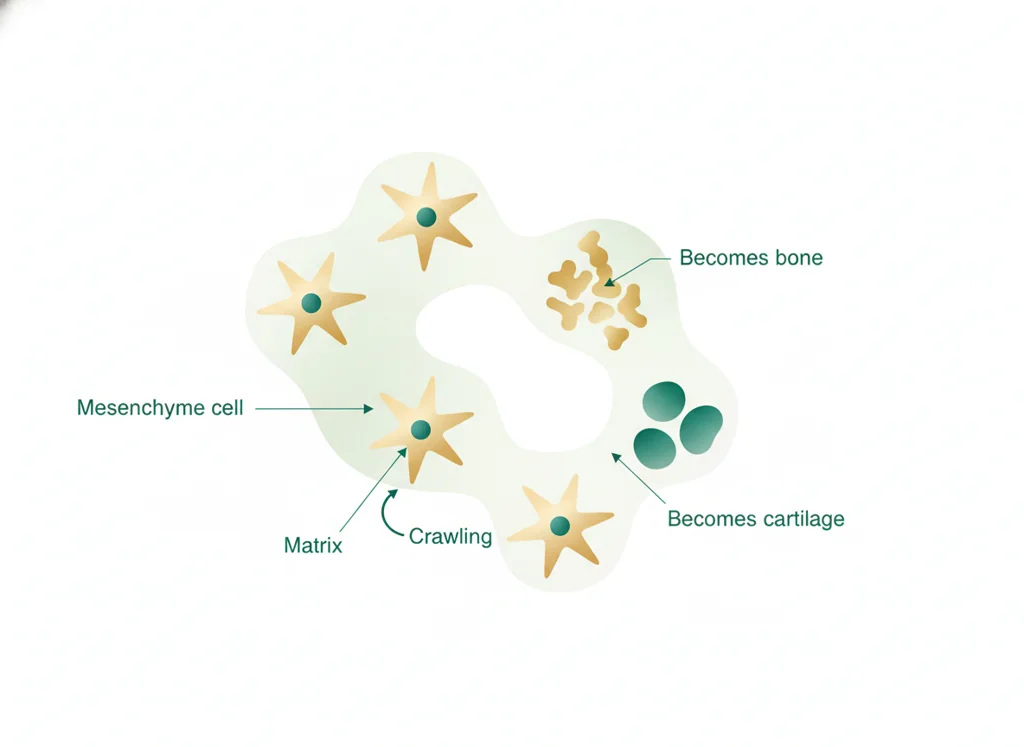
Loose, unsettled cells in a watery matrix that can crawl and later become bone, cartilage, or connective tissue.
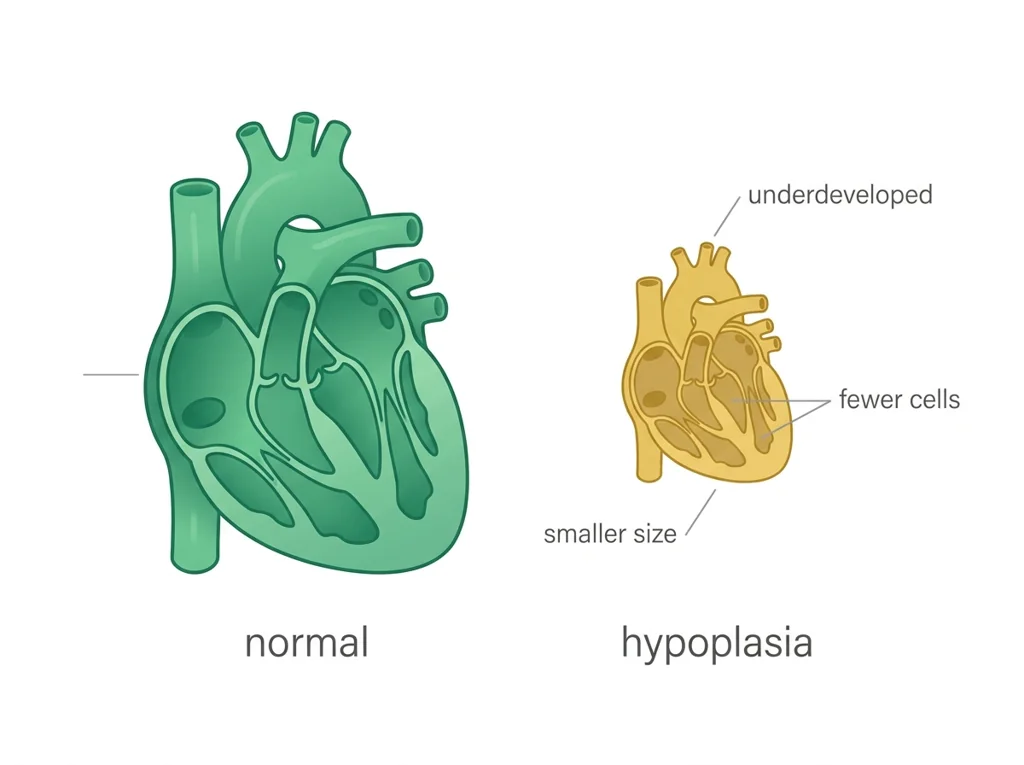
Underdevelopment of a tissue or organ from too few cells, leaving it smaller or less complete than normal.
Research citation trail (advanced)
You do not need these papers or database records to finish the lesson. They document where the plain-language explainer's claims come from and are intended for teachers or advanced readers.