
If We Know the Window and the Signal, Could We Prevent a Cleft?
This reading contains every idea and every piece of evidence needed for today's decision. The research links at the end are optional.
Why this matters
Rescue experiments are powerful precisely because their claims can be specific and testable.
The question you are trying to answer
What comparison shows that the replacement mattered?
Begin with the idea you already earned
Researchers combine lineage labels, live imaging, and model organisms to turn hidden developmental events into visible evidence.
Study the analogy before the biology
- What comparison shows that the replacement mattered?
- Why must all other conditions stay matched?
- Does restoring one circuit prove the whole building is safe?
Turn the analogy into three rules
Limit: Biological pathways have feedback and side effects that a simple fuse does not.
Map those rules onto the biology
A rescue experiment first creates or studies a developmental defect, then restores a suspected missing step.
In an Msx1-deficient mouse model, directed Bmp4 expression restored palatal growth and fusion. That supports the pathway relationship in the model.
Human treatment would still require safe delivery, correct timing, dose control, and strong evidence that benefits exceed risks.
Read Mateo's labeled case evidence
Msx1-deficient mice show reduced anterior palatal growth and cleft palate.
The mutant provides a defined disrupted pathway.
Directed Bmp4 expression restored growth and fusion in the reported mouse model.
Restoring a downstream signal rescued the phenotype.
The intervention was genetic and preclinical in mice.
The experiment is not a tested prenatal therapy for humans.
Make the concrete decision
You are briefing a translational research committee.
A headline says the mouse rescue means cleft palate can now be prevented in human pregnancy.
- Correct it to proof of mechanism in a specific mouse model.
- Approve the human-treatment claim.
- Reject the experiment as useless because it used mice.
Choose the accurate headline and cite both the rescue and translation-limit evidence.
Claim ceiling: You may state proof of mechanism in the model. You may not claim safety, timing, delivery, or effectiveness in humans.
Write the 10-year takeaway
A rescue experiment supports a mechanism when restoring one step restores the outcome, but it is not yet a human treatment.
- What three groups make a rescue comparison strong?
- What human-treatment questions remain unanswered?
Glossary in plain English
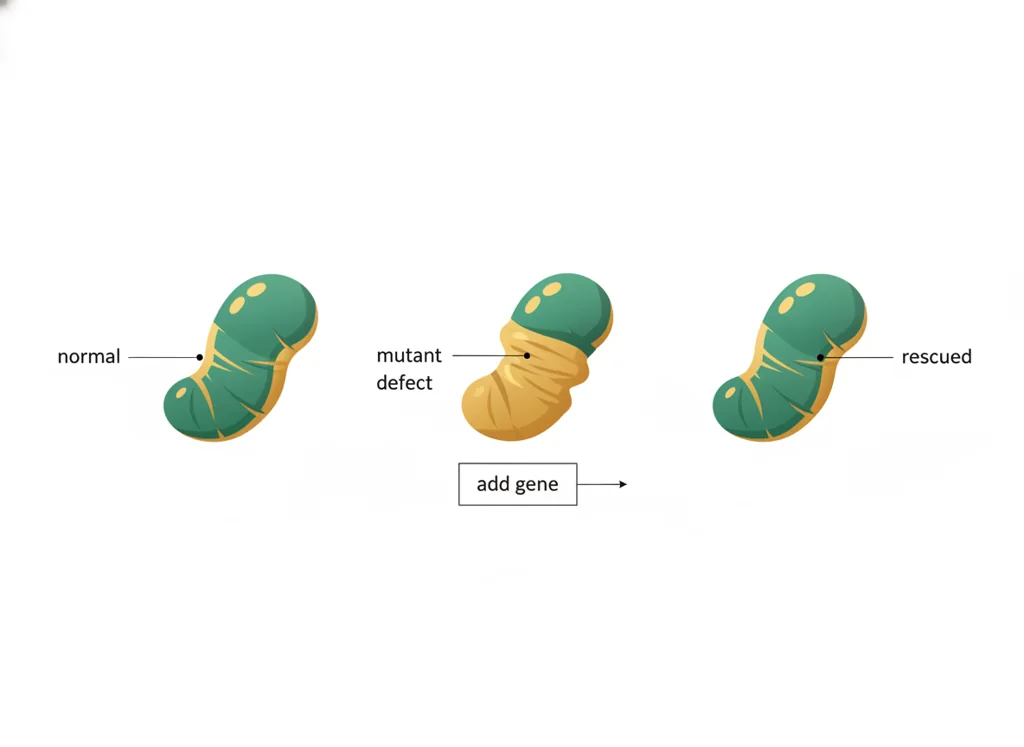
Adding a working gene back into a mutant to see if it restores the normal trait, which proves that gene was responsible.
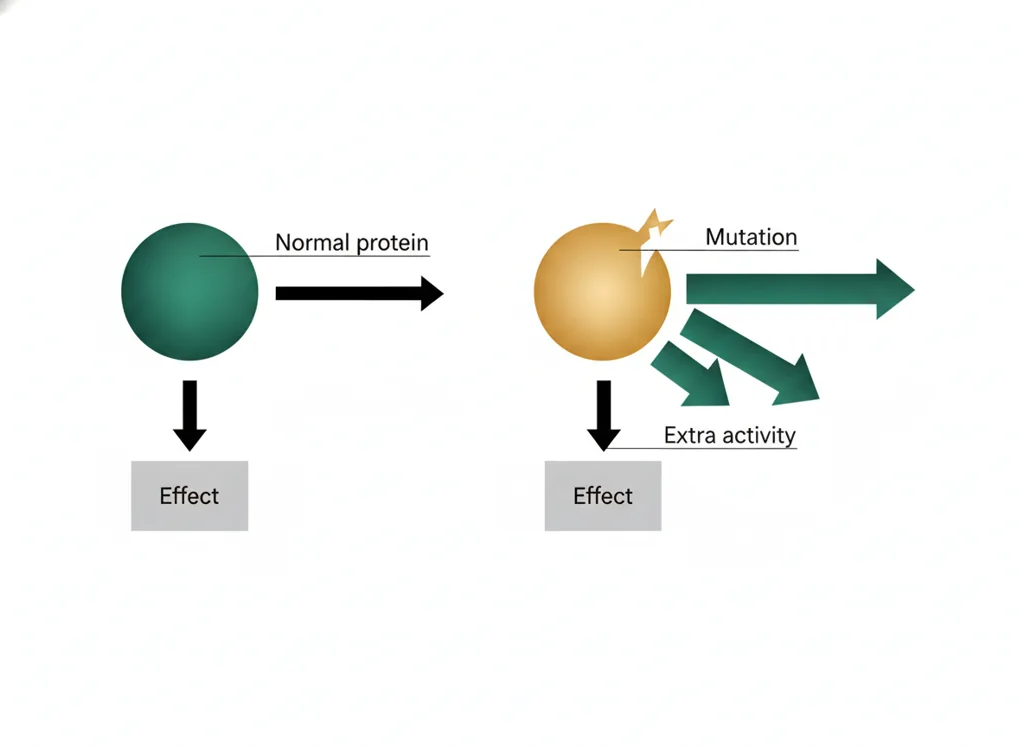
A mutation that gives a protein a new or stronger activity rather than weakening it, sometimes causing harm.
A lesson term defined by the surrounding model and case evidence.
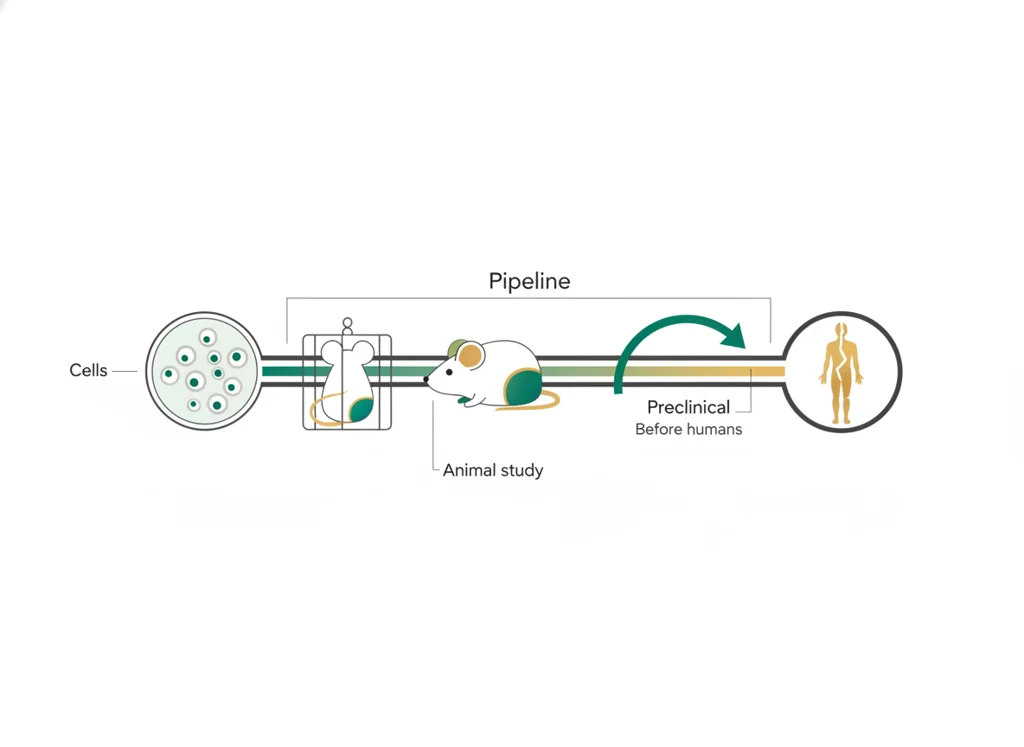
Research done in cells and animals to test safety and effect before a treatment is ever tried in people.
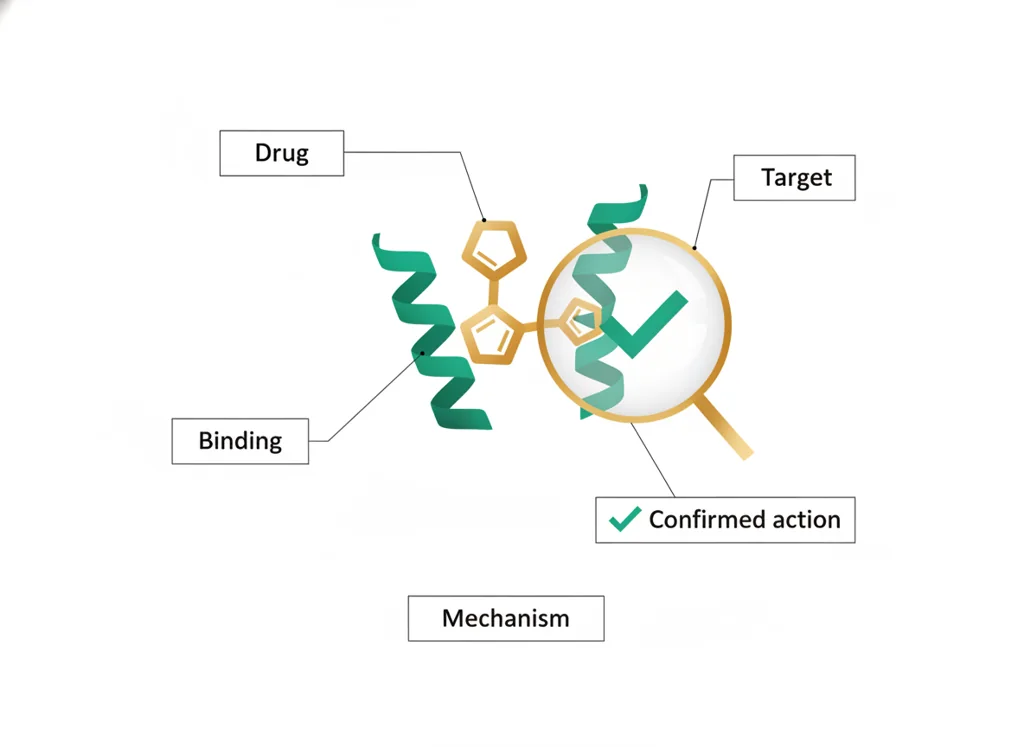
Evidence that a treatment actually acts on the biological target the way it was designed to, not just that it works.
Research citation trail (advanced)
You do not need these papers or database records to finish the lesson. They document where the plain-language explainer's claims come from and are intended for teachers or advanced readers.
- Zhang et al. 2002, Rescue of cleft palate in Msx1-deficient mice by transgenic Bmp4 (journal link; use class excerpt if blocked)
- Lan & Jiang 2015, Cellular and Molecular Mechanisms of Palatogenesis (Curr Top Dev Biol)
- Ueharu & Mishina 2023, BMP signaling during craniofacial development (Front Physiol)