
Watching Development Happen
This reading contains every idea and every piece of evidence needed for today's decision. The research links at the end are optional.
Why this matters
A good method makes the needed event observable instead of asking students to imagine it.
The question you are trying to answer
What can the replay show that the final score cannot?
Begin with the idea you already earned
The same DNA can produce different outcomes because gene activity and developmental context can differ.
Study the analogy before the biology
- What can the replay show that the final score cannot?
- Why do colored jerseys matter when players cross paths?
- What question would require more than one camera angle?
Turn the analogy into three rules
Limit: Imaging cells is limited by access, resolution, labels, and model differences.
Map those rules onto the biology
Lineage labeling marks cells and their descendants. It helps researchers track identity through movement and differentiation.
Live imaging adds time, so scientists can see which event happens first and how cells behave.
Model organisms make early development observable, but every conclusion must state which species, tissue, and stage were tested.
Read Mateo's labeled case evidence
Lineage labels mark a cell population and its descendants.
They answer where cells came from and what they became.
Live imaging records movement and cell behavior over time.
It can reveal order and timing.
Mouse and zebrafish models share important developmental mechanisms but are not identical to humans.
Model choice sets a limit on transfer.
Make the concrete decision
You are choosing a method for a seam-removal study.
The question is whether labeled seam cells die, leave the surface, or persist during the next six hours.
- Use stable lineage labels with live imaging and cell-state markers.
- Use only the adult skull endpoint.
- Use one unlabeled still image.
Choose the method set and cite the evidence for both time and identity.
Claim ceiling: You may observe mechanism in the selected model. You may not assume every human embryo follows every model detail.
Write the 10-year takeaway
Researchers combine lineage labels, live imaging, and model organisms to turn hidden developmental events into visible evidence.
- Which method adds cell identity?
- Which method adds sequence over time?
Glossary in plain English
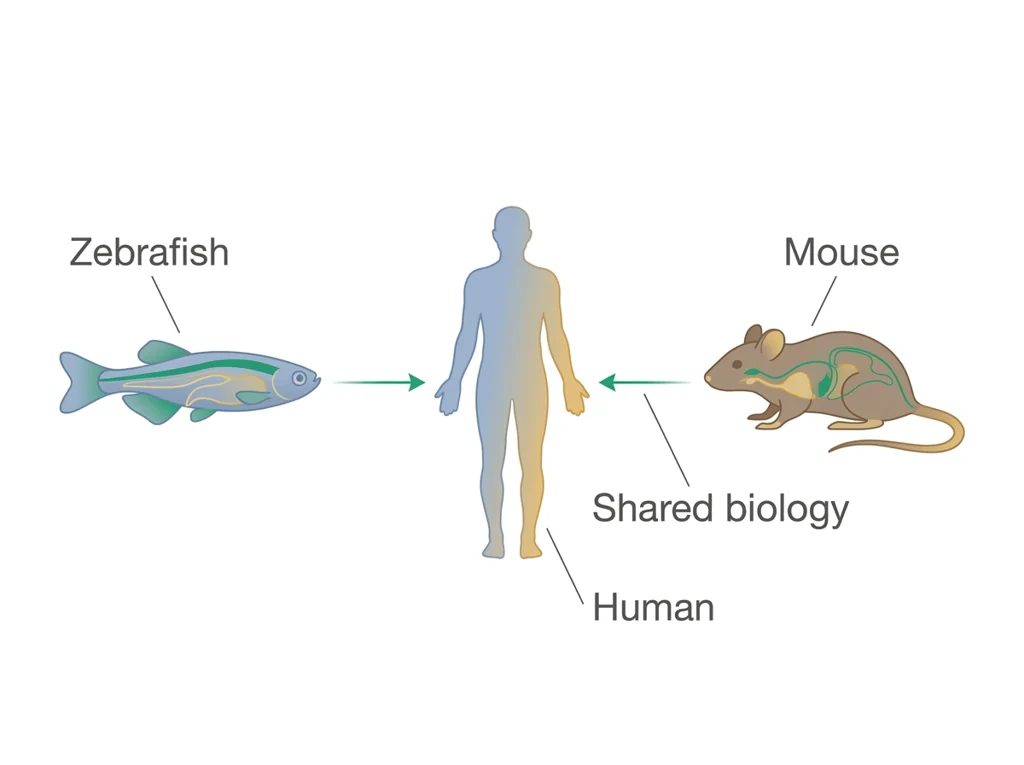
A species, such as zebrafish or mouse, studied because its biology is similar enough to ours to teach us about human development and disease.
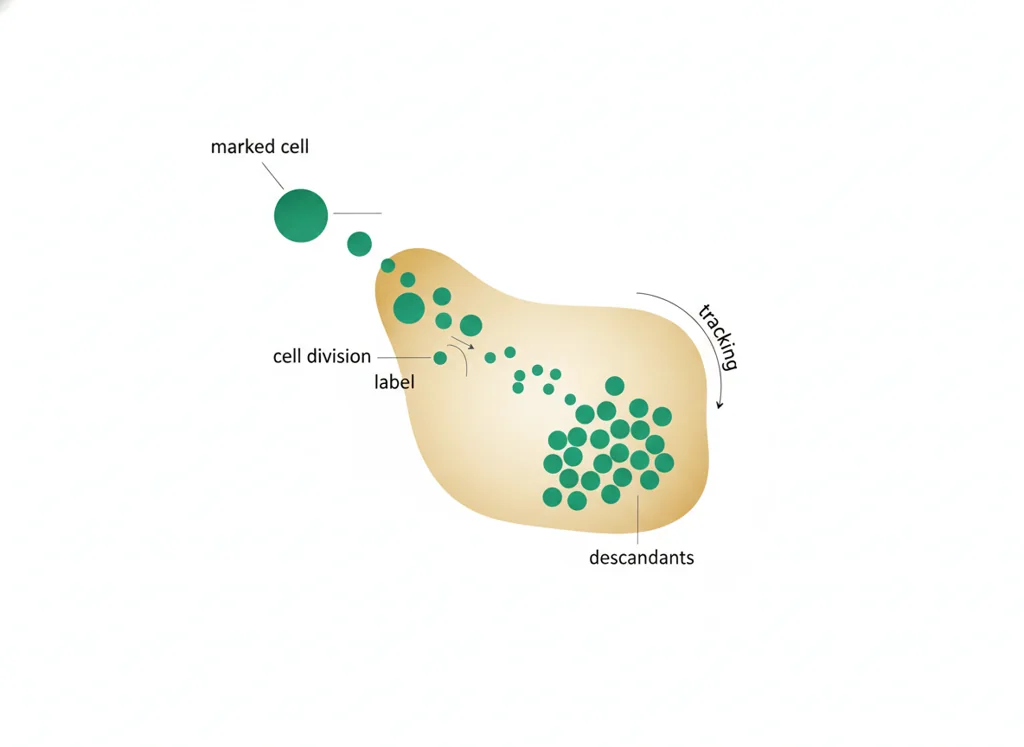
A method that tags a starting cell with a permanent marker so all of its descendant cells can be tracked over time.
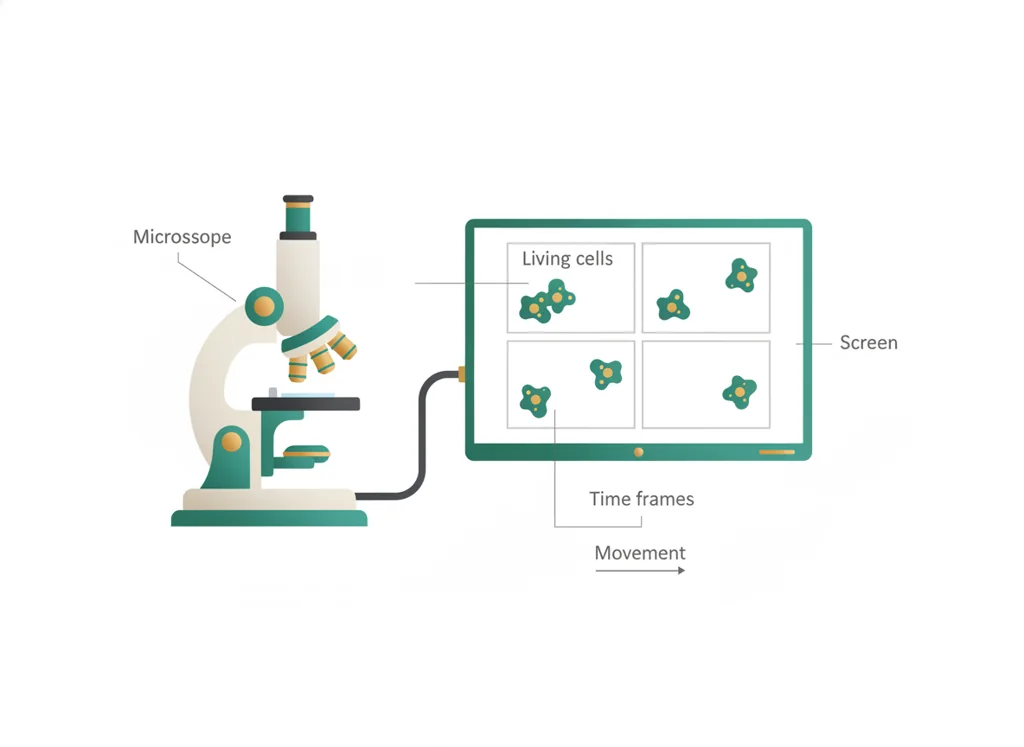
Watching cells or tissues under a microscope as they move and change over time, instead of viewing a single fixed snapshot.
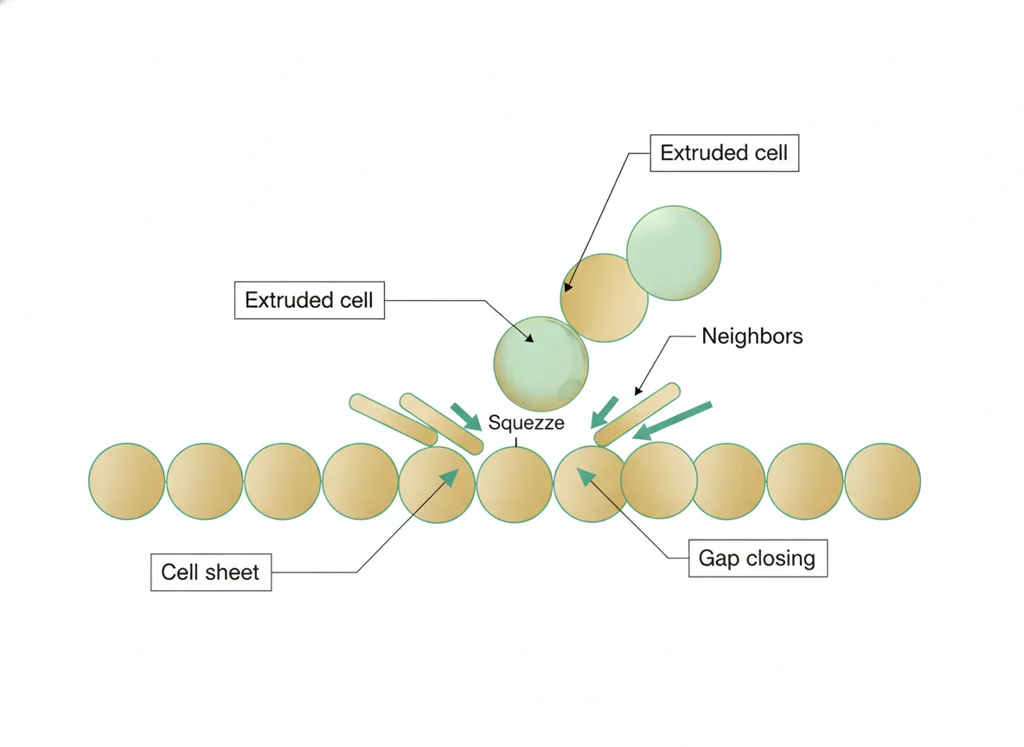
A process where a sheet of cells squeezes out and removes one of its own cells, sealing the gap to keep the layer intact.
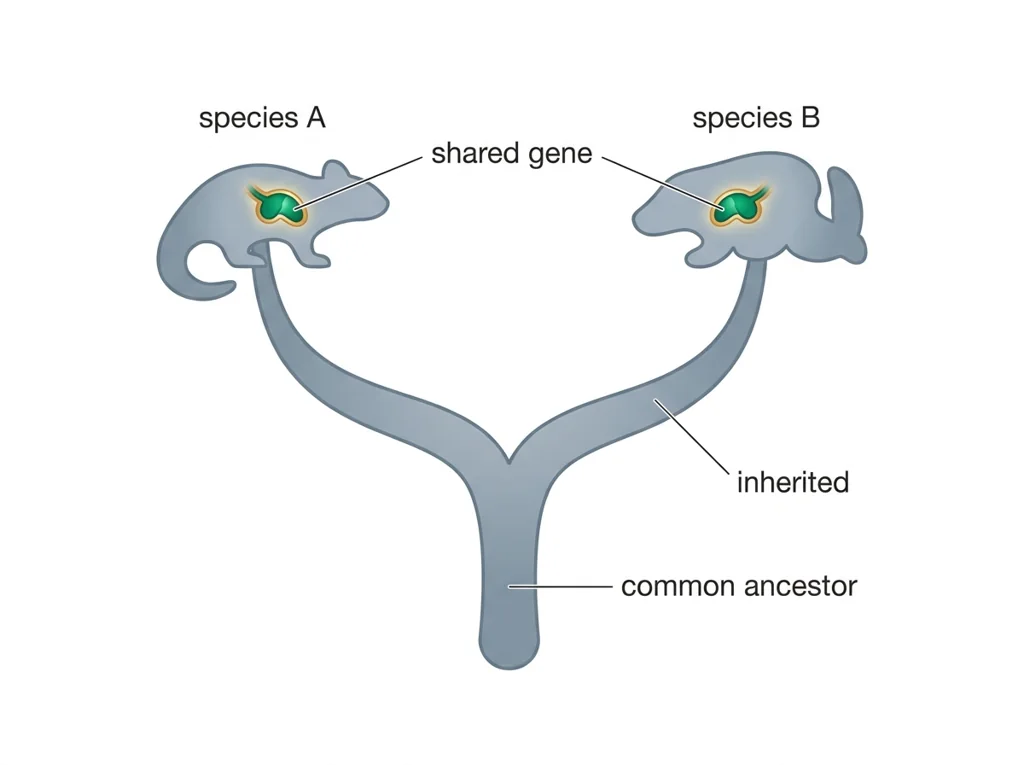
Similarity between genes or structures in different species because they were inherited from a shared common ancestor.
Research citation trail (advanced)
You do not need these papers or database records to finish the lesson. They document where the plain-language explainer's claims come from and are intended for teachers or advanced readers.
- Lan & Jiang 2015, Cellular and Molecular Mechanisms of Palatogenesis (Curr Top Dev Biol)
- Liu et al. 2016, Irf6 directly regulates Klf17 in zebrafish periderm and Klf4 in murine oral epithelium (journal link; use class excerpt if blocked)
- Schoen et al. 2017, MicroRNAs in Palatogenesis and Cleft Palate (Front Physiol)