
Same DNA, Different Outcome
This reading contains every idea and every piece of evidence needed for today's decision. The research links at the end are optional.
Why this matters
Variable penetrance is easier to understand when students separate the genome from its use.
The question you are trying to answer
What stays the same in both performances?
Begin with the idea you already earned
An environmental factor changes risk only when evidence links dose, timing, and mechanism, and risk is not destiny.
Study the analogy before the biology
- What stays the same in both performances?
- Which controls change how the score is used?
- Why does a changed performance not mean the notes were rewritten?
Turn the analogy into three rules
Limit: Gene regulation is a molecular network, not a musical interpretation.
Map those rules onto the biology
DNA sequence stores genetic information, but cells also control which genes are used, when they are used, and how strongly.
Methylation can affect gene activity. MicroRNAs can reduce protein production from messages.
These controls may help explain variable penetrance, but human epigenetic associations still require careful testing for cause and timing.
Read Mateo's labeled case evidence
DNA methylation can change gene activity without changing the DNA letters.
Sequence and regulation are separate layers.
MicroRNAs can reduce how much protein is made from target messages.
Post-transcriptional regulation can alter pathway output.
Cleft penetrance can vary among people with similar genetic susceptibility.
A susceptibility variant does not force one outcome.
Make the concrete decision
You are comparing two siblings in a research model.
Both carry the same susceptibility variant, but only one has a cleft. Their methylation profiles differ at developmental genes.
- Propose regulation as one testable modifier while keeping other factors open.
- Claim the methylation profile proves the only cause.
- Claim identical variants must always produce identical anatomy.
Choose the testable explanation and cite sequence-versus-regulation evidence.
Claim ceiling: You may propose an epigenetic modifier. You may not convert an association into a single proven cause.
Write the 10-year takeaway
The same DNA can produce different outcomes because gene activity and developmental context can differ.
- What can change without changing DNA letters?
- Why does a methylation difference not automatically prove cause?
Glossary in plain English
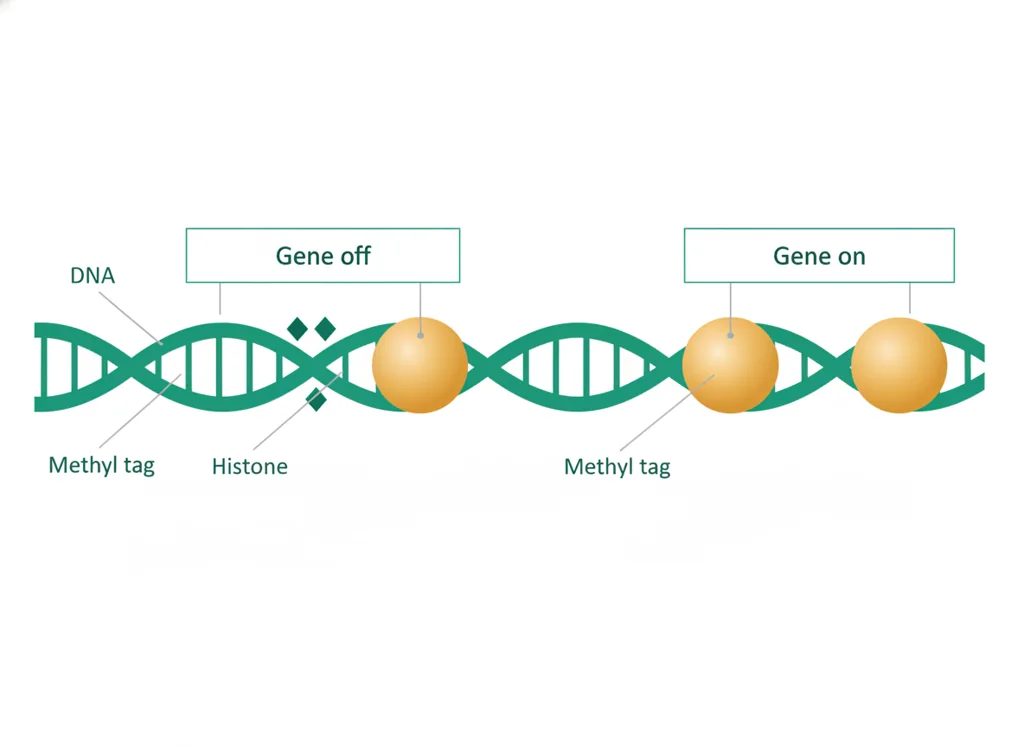
The study of chemical tags on DNA and its packaging that switch genes on or off without changing the underlying DNA sequence itself.
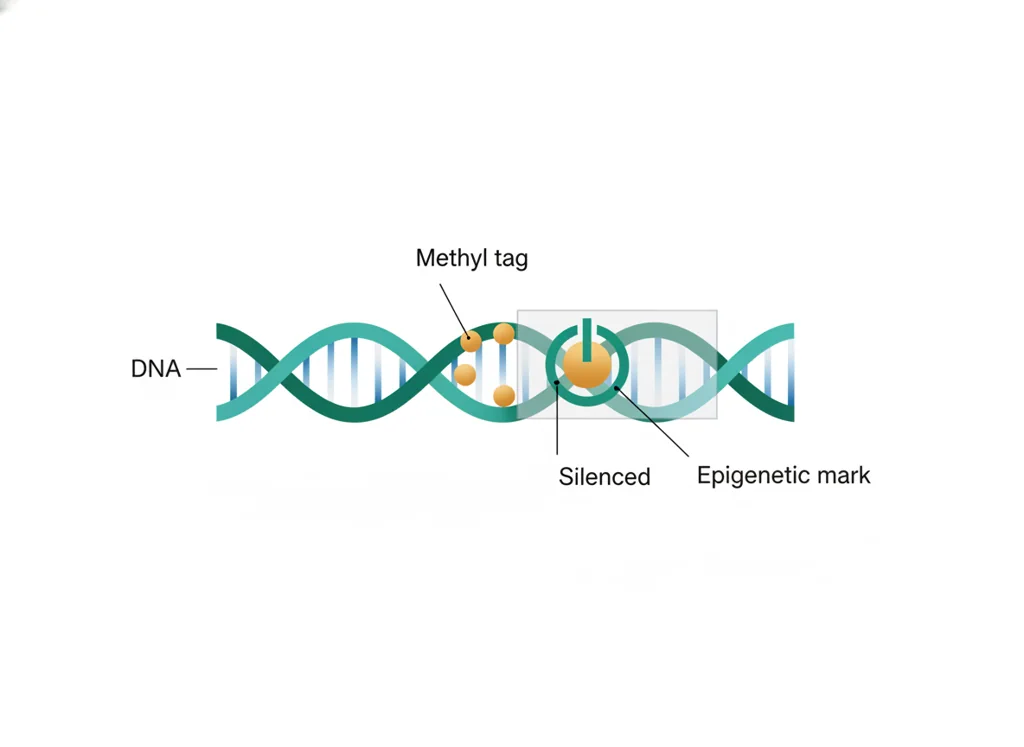
A chemical tag added to DNA that can quiet a gene without changing its underlying sequence.
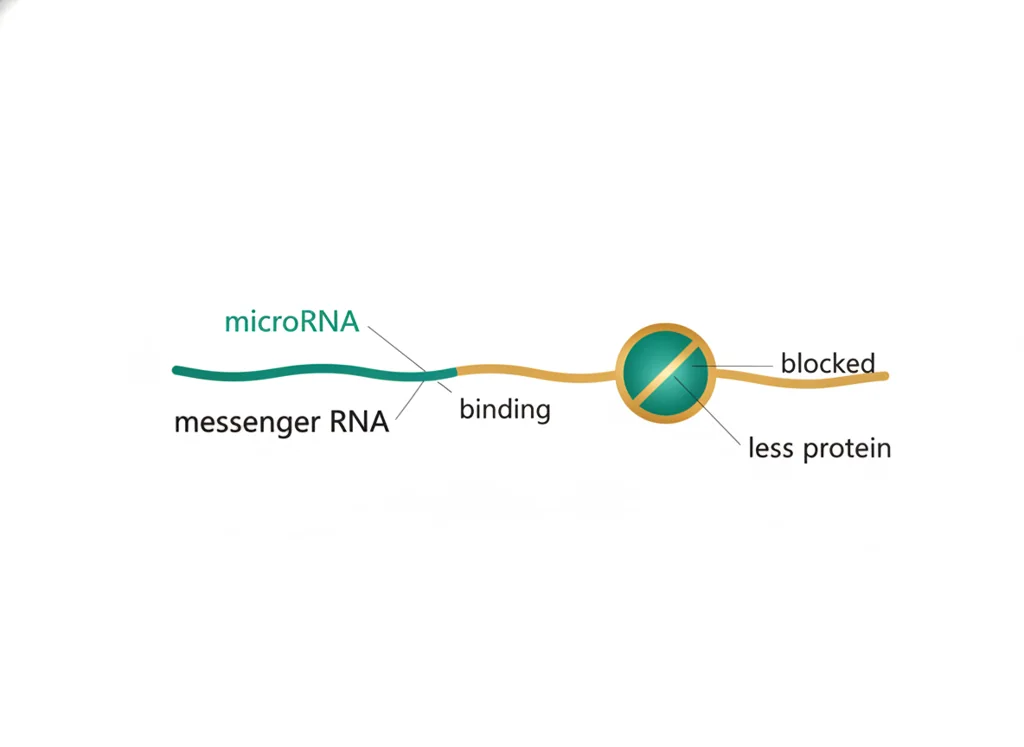
A tiny RNA molecule that fine-tunes gene activity by binding messenger RNA and blocking it from being made into protein.
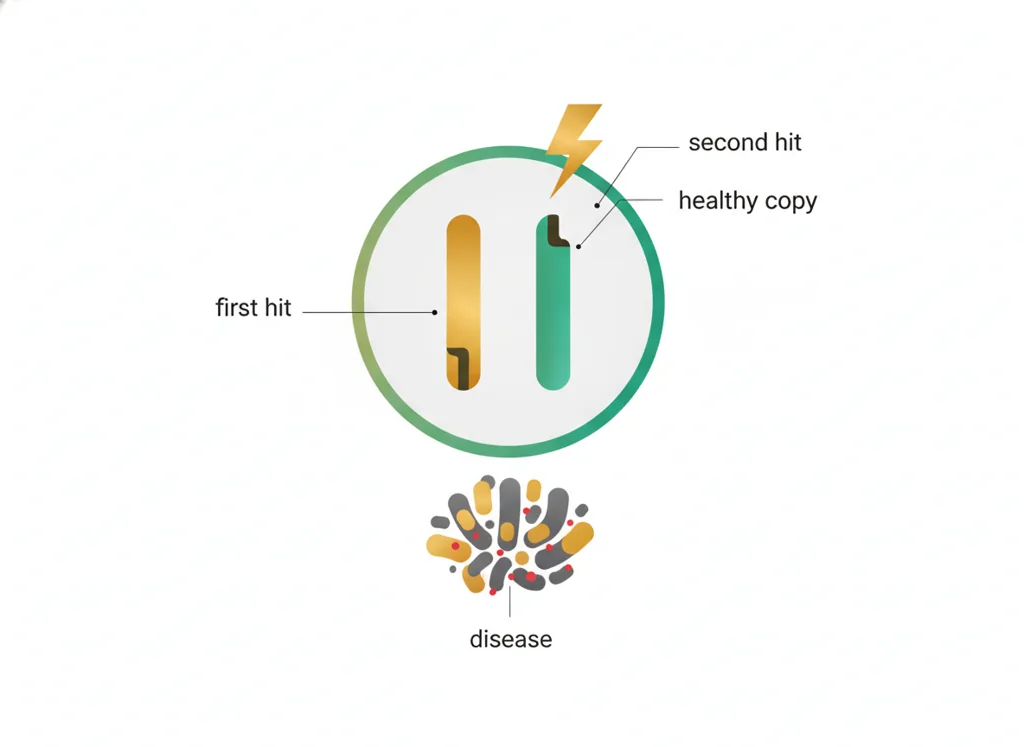
A second damaging change needed on top of an inherited one before a trait or disease appears, explaining why some carriers stay healthy.
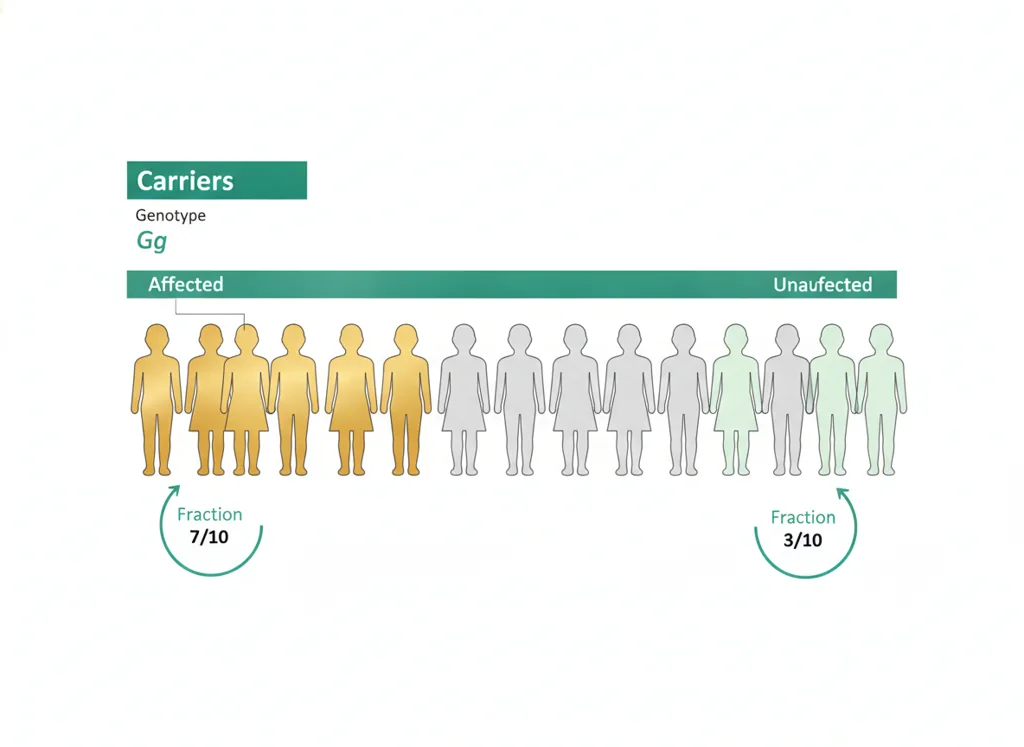
The fraction of people carrying a disease-linked genotype who actually show the trait.
Research citation trail (advanced)
You do not need these papers or database records to finish the lesson. They document where the plain-language explainer's claims come from and are intended for teachers or advanced readers.