
When the Outside World Reaches the Embryo
This reading contains every idea and every piece of evidence needed for today's decision. The research links at the end are optional.
Why this matters
Plain language about probability protects both scientific accuracy and families.
The question you are trying to answer
Does a storm delay every flight?
Begin with the idea you already earned
A developmental risk matters most when it acts during the short window for the process it can disrupt.
Study the analogy before the biology
- Does a storm delay every flight?
- Why do timing and severity matter?
- What evidence separates association from a tested mechanism?
Turn the analogy into three rules
Limit: Embryonic development is not air travel, and personal blame has no place in risk interpretation.
Map those rules onto the biology
A teratogen is an exposure that can disrupt development under some conditions. Effects depend on dose, timing, and the developing tissue.
Population studies can find associations. Animal and cell studies can test possible mechanisms.
A risk factor does not guarantee an outcome. Mateo's composite case does not include evidence that one exposure caused his cleft.
Read Mateo's labeled case evidence
Some prenatal exposures are associated with higher cleft risk in populations.
Association can identify a factor worth studying.
Valproate is a known teratogenic medication whose risks depend on exposure context and timing.
A specific factor can have biologically important prenatal effects.
Most exposed pregnancies do not produce the same outcome, and many clefts occur without a known exposure.
Risk is probabilistic and multifactorial.
Make the concrete decision
You are writing a family-facing explanation for Mateo's chart.
A parent asks whether one action definitely caused the cleft, but the case file contains no confirmed causal exposure.
- Explain that risk factors change probability and no single cause is established here.
- Assign blame without exposure evidence.
- Say environmental factors can never affect development.
Choose the explanation and cite evidence about probability and case limits.
Claim ceiling: You may explain population risk and biological plausibility. You may not assign an unrecorded exposure or blame.
Write the 10-year takeaway
An environmental factor changes risk only when evidence links dose, timing, and mechanism, and risk is not destiny.
- What three features make exposure evidence stronger?
- Why is risk factor more accurate than guaranteed cause?
Glossary in plain English
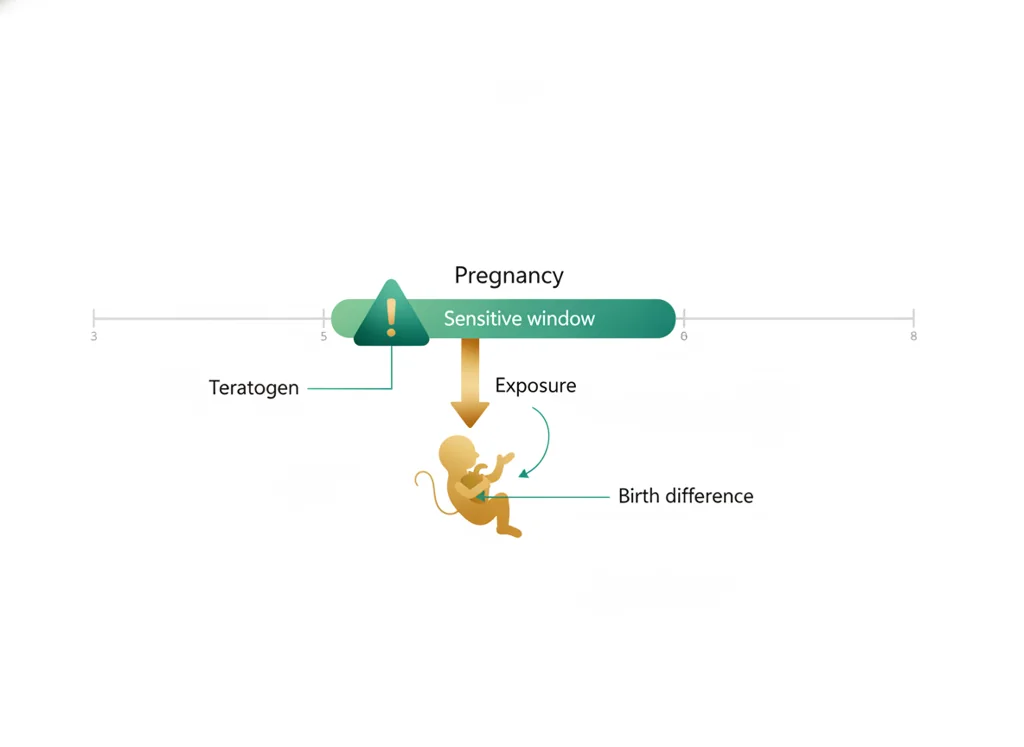
An agent such as a drug, chemical, or infection that can disrupt development and cause birth differences if exposure happens during pregnancy.
A lesson term defined by the surrounding model and case evidence.
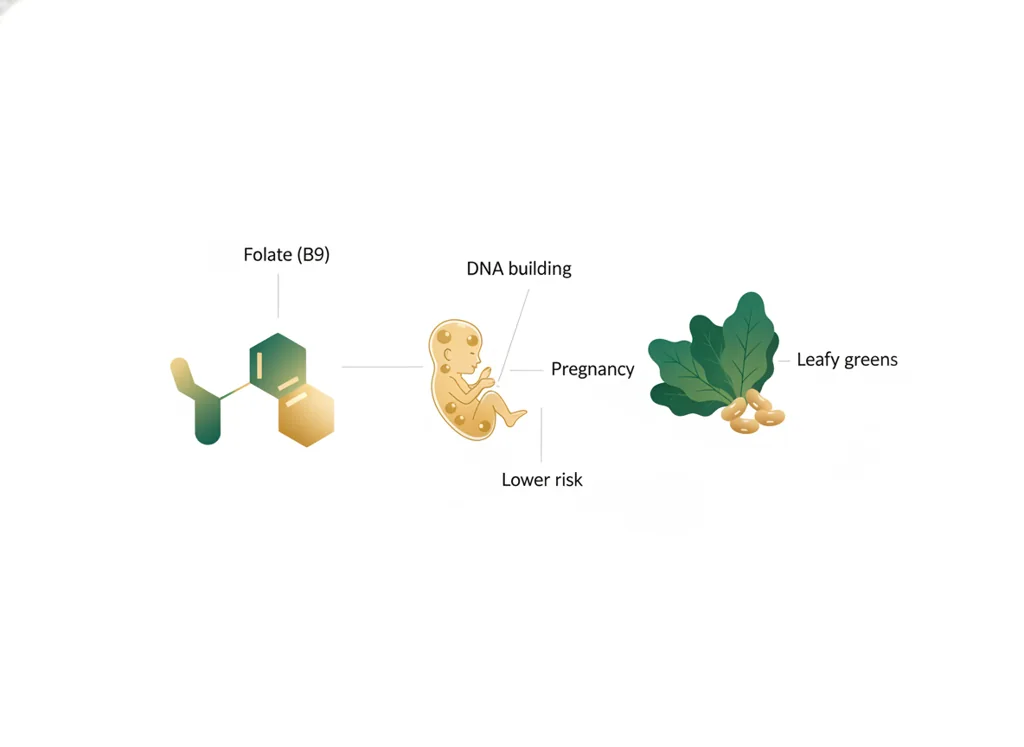
A B vitamin the body needs to build DNA and new cells; taking enough before and in early pregnancy lowers the risk of cleft and neural tube defects.
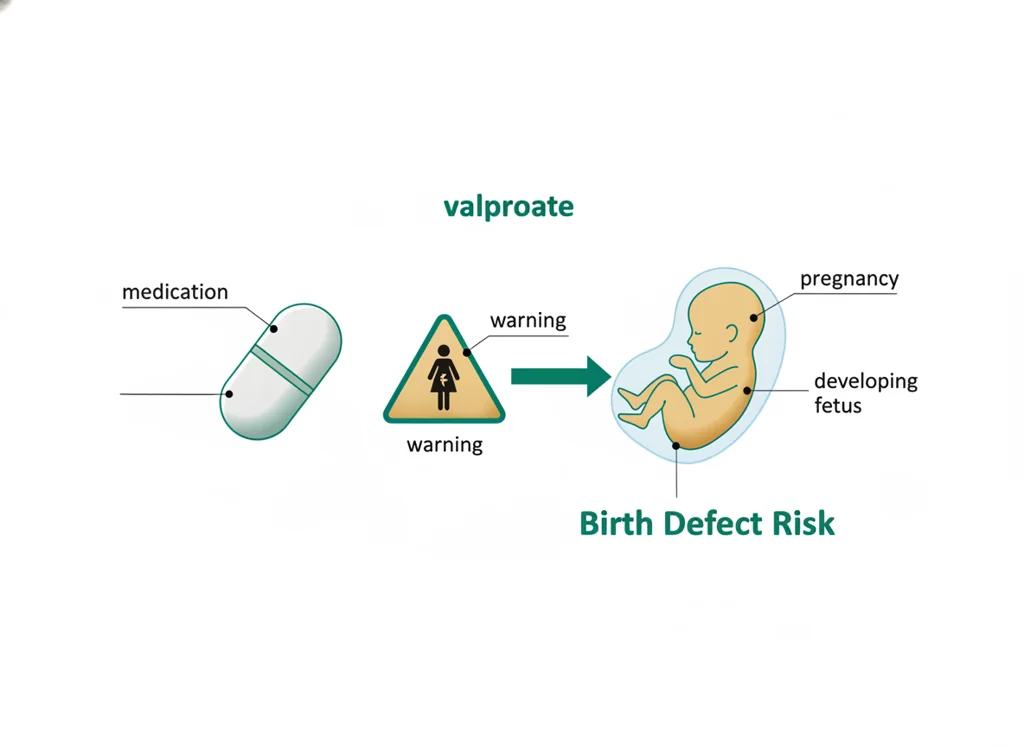
A medication used for seizures and mood that raises the risk of birth defects, including cleft palate, when taken during pregnancy.
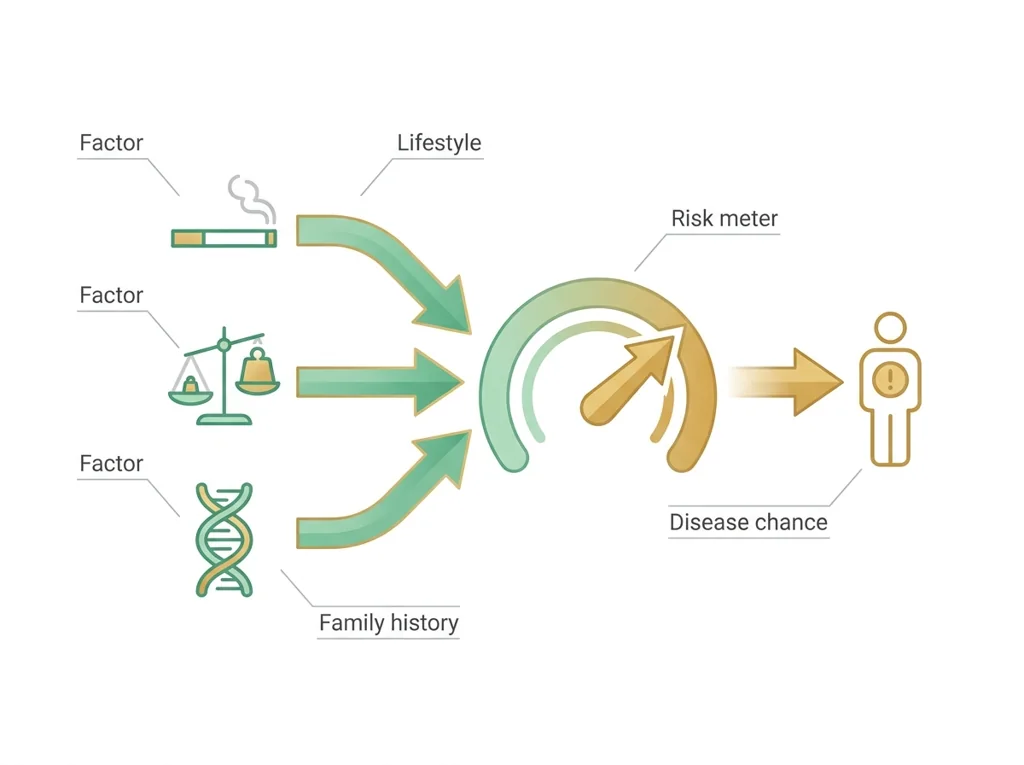
Anything that raises a person's chance of developing a disease, such as smoking, family history, or high blood pressure, without guaranteeing it.
Research citation trail (advanced)
You do not need these papers or database records to finish the lesson. They document where the plain-language explainer's claims come from and are intended for teachers or advanced readers.