
The Cleft Runs Through the Teeth
This reading contains every idea and every piece of evidence needed for today's decision. The research links at the end are optional.
Why this matters
Cleft care can continue to about age 18 because teeth, bone, and facial growth keep changing after the first repairs.
The question you are trying to answer
Why can an opening in the gum change which teeth grow and where?
Begin with the idea you already earned
Cleft-palate muscle anatomy can impair Eustachian tube opening, so hearing needs repeated surveillance even after a normal newborn screen.
Study the analogy before the biology
- Which seeds sit closest to the missing soil?
- How could the gap change position as well as number?
- Why must the gardener wait to see how growth unfolds?
Turn the analogy into three rules
Limit: Teeth form through specialized developmental tissues and are not plants in soil.
Map those rules onto the biology
The alveolus is the part of the jaw that supports teeth. A cleft through this ridge leaves a bony gap.
Teeth near the cleft, especially the lateral incisor, may be missing, small, duplicated, rotated, or displaced.
The developing canine and nearby roots are followed with age-appropriate dental imaging. The team uses development, not age alone, to plan care.
Read Mateo's labeled case evidence
Mateo's cleft crosses the left alveolar ridge between anterior tooth regions.
Bone continuity is absent where teeth need support.
The supplied dental image shows an absent or malformed lateral incisor beside the cleft.
Teeth next to the cleft commonly show number, shape, or position differences.
The permanent canine is developing above the cleft region.
Its stage will help time future orthodontic and graft planning.
Make the concrete decision
You are the pediatric dentist at Mateo's school-age team visit.
A parent asks whether the missing lateral incisor means the canine will definitely fail to erupt.
- Explain the observed tooth finding and continue imaging-based eruption planning.
- Guarantee canine failure from one missing tooth.
- Ignore the alveolar cleft until adulthood.
Choose the counseling statement and cite the dental map plus its uncertainty.
Claim ceiling: You may describe supplied tooth development. You may not predict an individual eruption outcome without serial clinical imaging.
Write the 10-year takeaway
An alveolar cleft interrupts bone where teeth develop, so tooth position, shape, number, and eruption must be followed over time.
- Which tooth is commonly affected near an alveolar cleft?
- Why are serial dental images useful?
Glossary in plain English
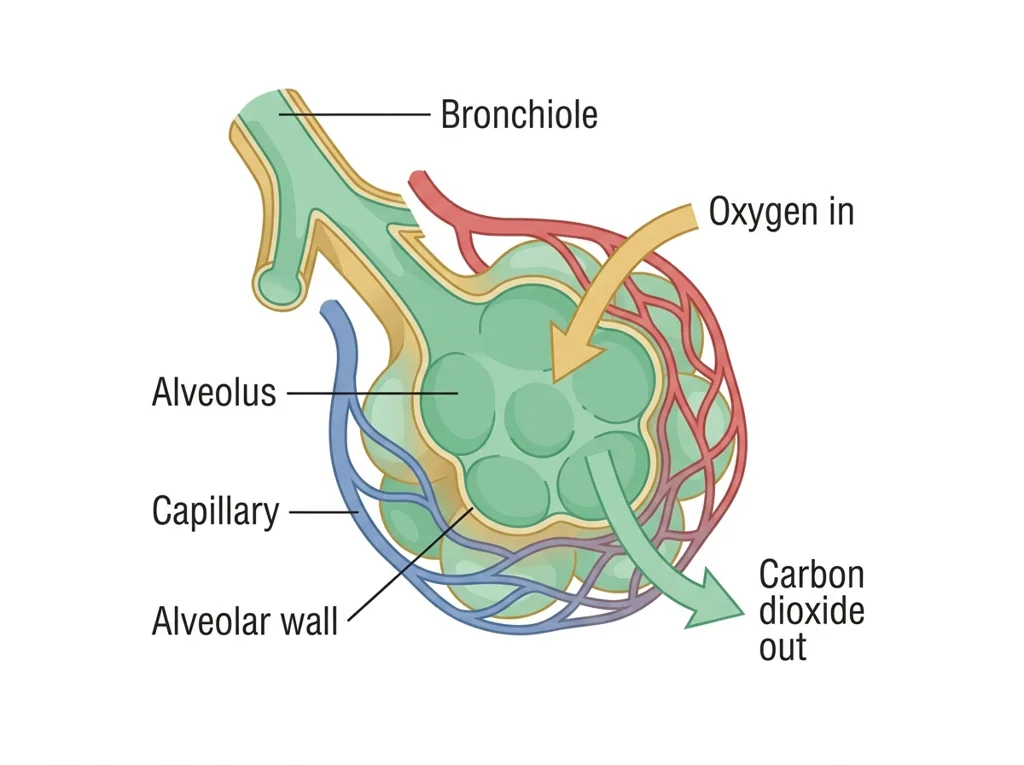
A tiny air sac at the end of an airway in the lung where oxygen enters the blood and carbon dioxide leaves it across a thin wall.
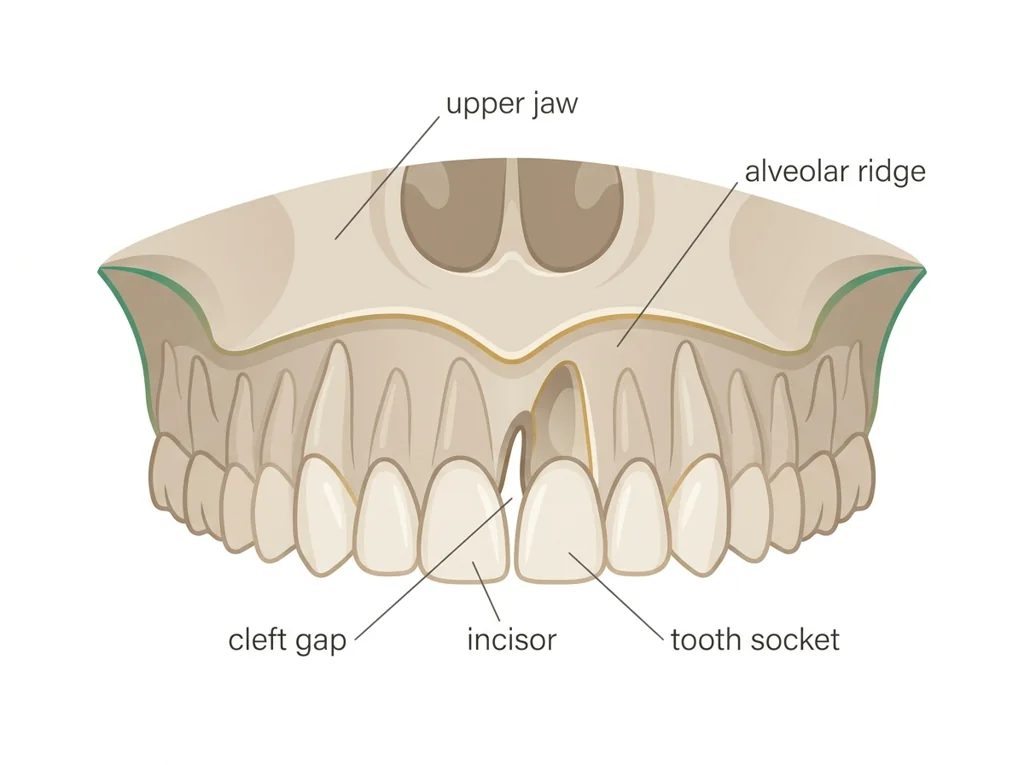
A gap in the bony tooth-bearing ridge of the upper jaw, where the bone failed to join during development.
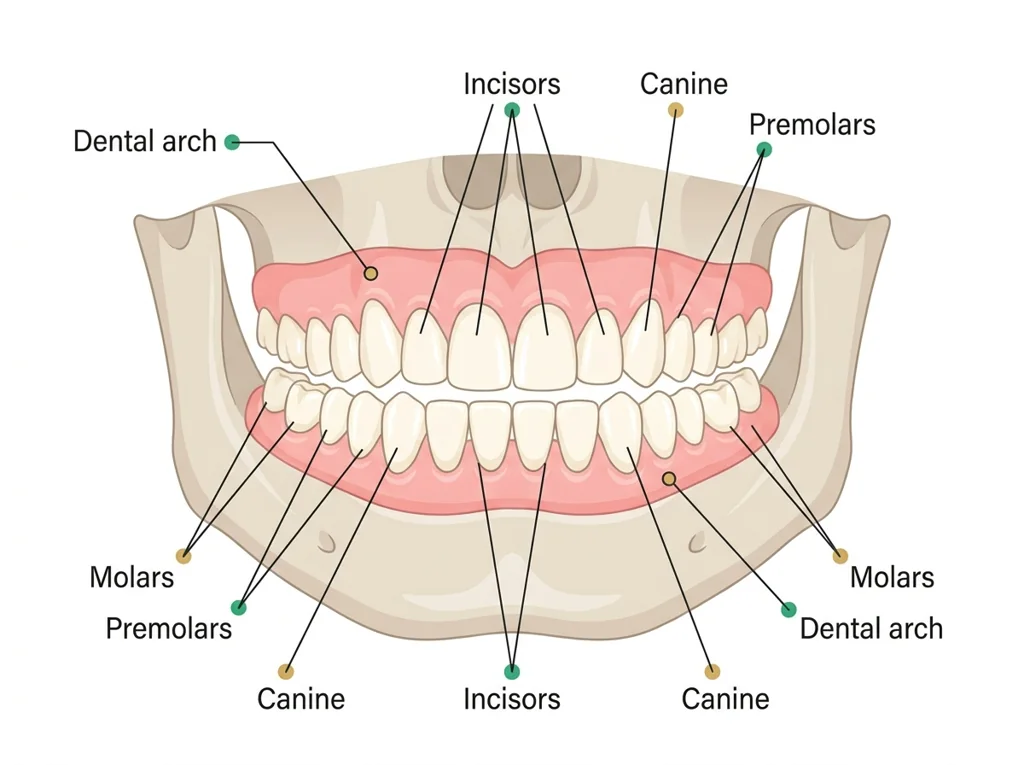
The arrangement and condition of all the teeth in the mouth, including their number, type, and position in the jaws.
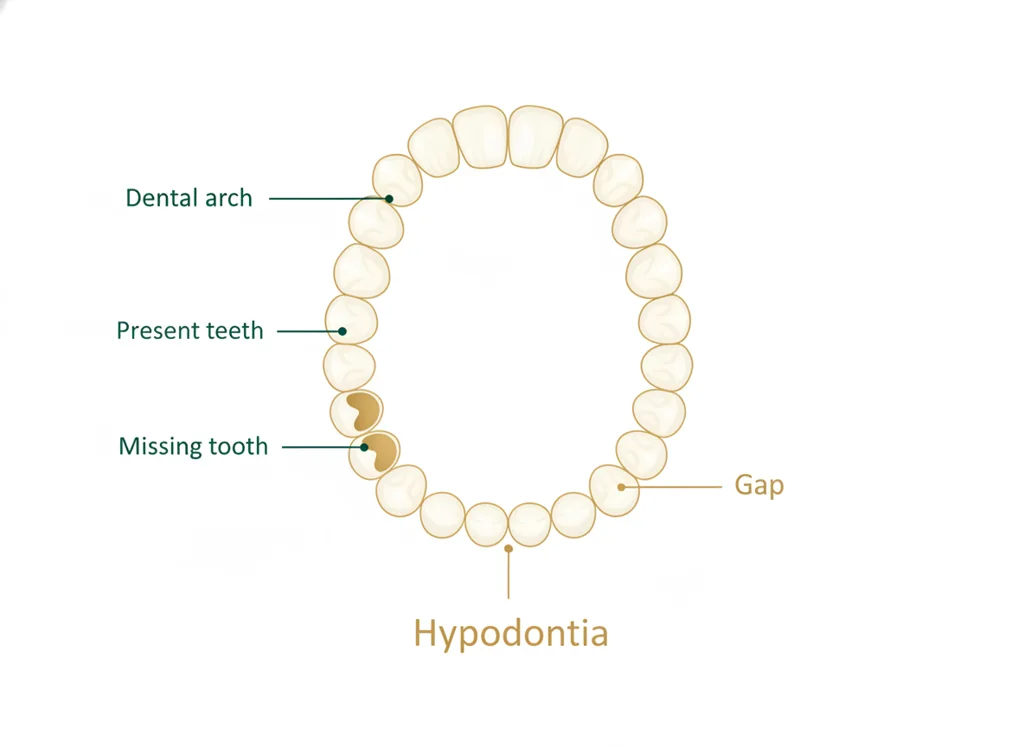
A developmental condition in which one or a few teeth never form, leaving permanent gaps in the dental arch.
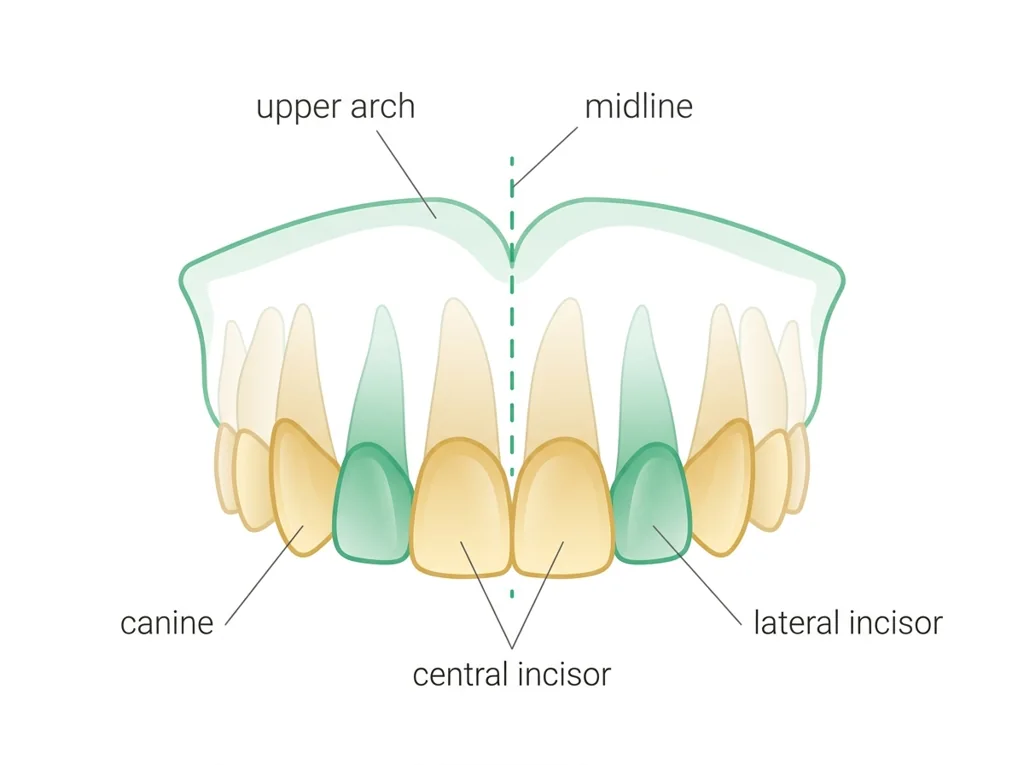
The second tooth from the midline on each side of the upper jaw, often missing or malformed near an alveolar cleft.
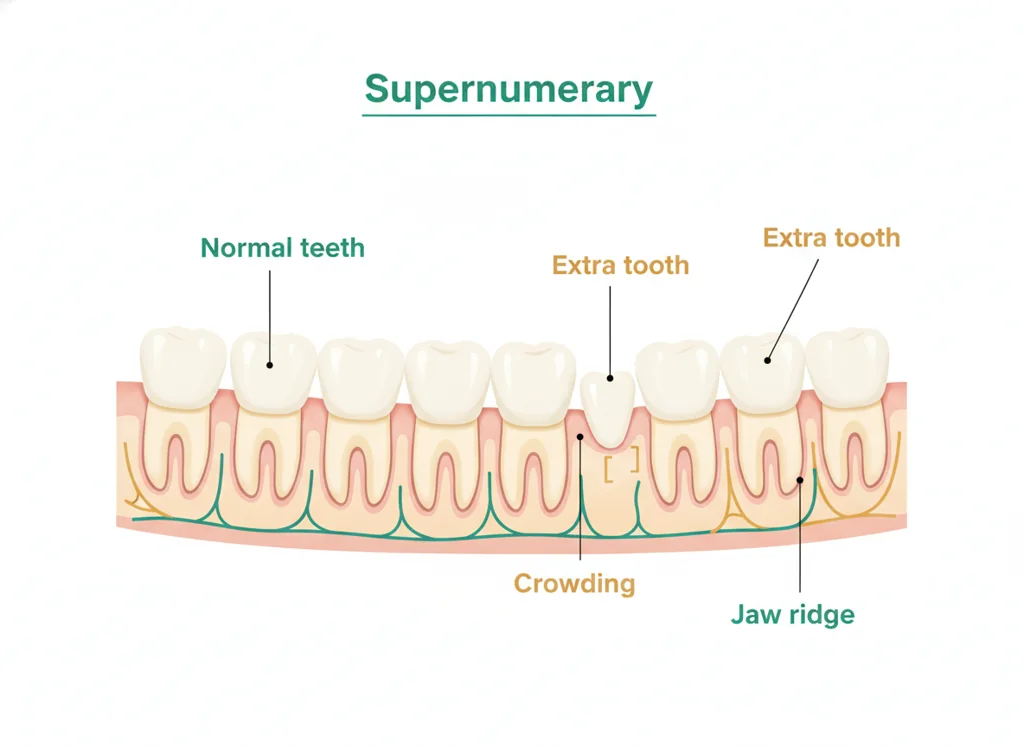
An extra tooth beyond the normal count, which can appear near a cleft and crowd or block the regular teeth.
Research citation trail (advanced)
You do not need these papers or database records to finish the lesson. They document where the plain-language explainer's claims come from and are intended for teachers or advanced readers.