
Power & Balance
The four body systems we run out of class time to build, on your schedule, for extra credit.
Our HBS block is one semester, so we take the systems as far as the immune system in class. These four missions cover the rest of what the WebXam asks about: how your body powers itself and keeps itself in balance. Everything here is optional and self-paced. Do one mission or all four, from home, for extra credit. Each mission shows you a worked example first, so you always know what good looks like before you start.
This opens right after the cardiovascular unit, so blood and the capstone connect to what you just learned in class. It is due by the end of the WebXam review window, since it is also great exam prep.
Plan about 30 to 60 minutes each (the capstone a bit more). That is about 3 to 4 hours total, and you have several weeks to do it at your own pace. There is no daily deadline; chip away at it.
You may do this solo or in a small group. If you choose a group, submit ONE shared product per mission, plus a one-line note from each person saying what they did. The science bar is the same either way; the group rubric just adds a teamwork score. Pick the path that fits your schedule.
Mission 1: Digestion & Nutrition
Digestion breaks food into molecules small enough to cross into your blood, then hands them off to be used for energy and repair.
Goal: Trace a meal through the digestive tract and explain where mechanical and chemical digestion happen and where nutrients are absorbed.
- Mechanical digestion is physical breakdown (chewing, churning); chemical digestion uses enzymes to break bonds.
- Most chemical digestion and almost all nutrient happen in the small intestine, across its .
- Accessory organs help without food passing through them: the liver makes bile (emulsifies fat), the gallbladder stores it, and the pancreas adds digestive enzymes.
- The large intestine mainly reabsorbs water and forms waste.
- Watch or read one explainer below.
- Label a digestive-system diagram with the mouth, stomach, small intestine, large intestine, liver, gallbladder, and pancreas.
- Write a short 'where does a sandwich go' trace: follow one bite from mouth to , naming what happens at each stop.
- You can put the major digestive organs in order.
- You can explain the difference between mechanical and chemical digestion.
- You can name where most happens and why (, surface area).
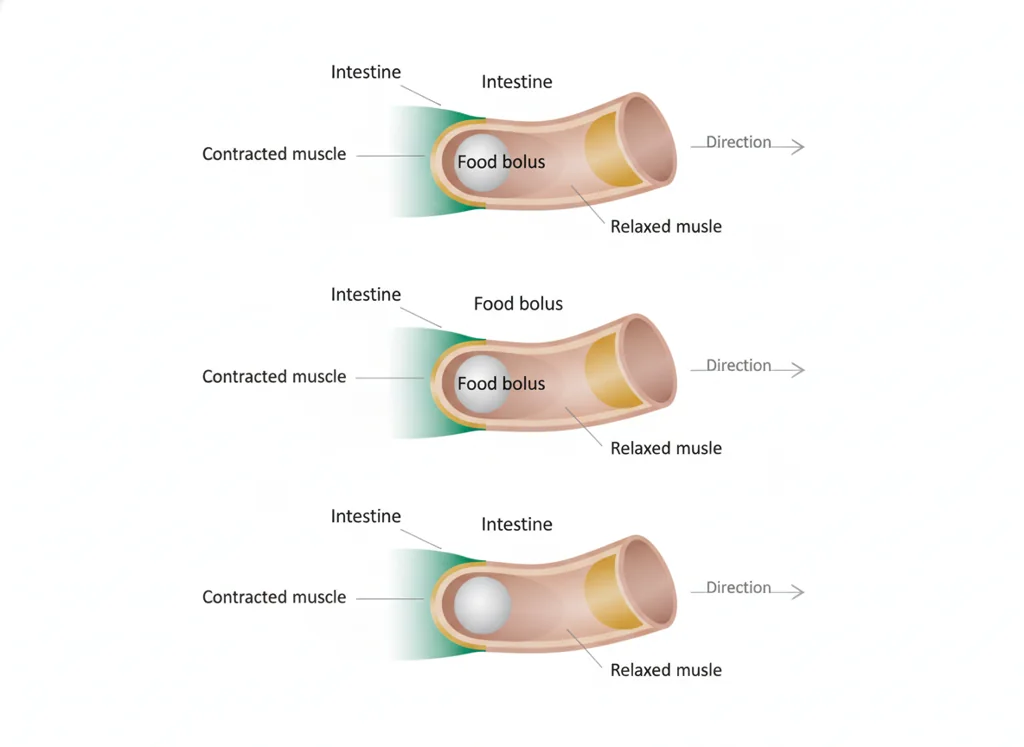
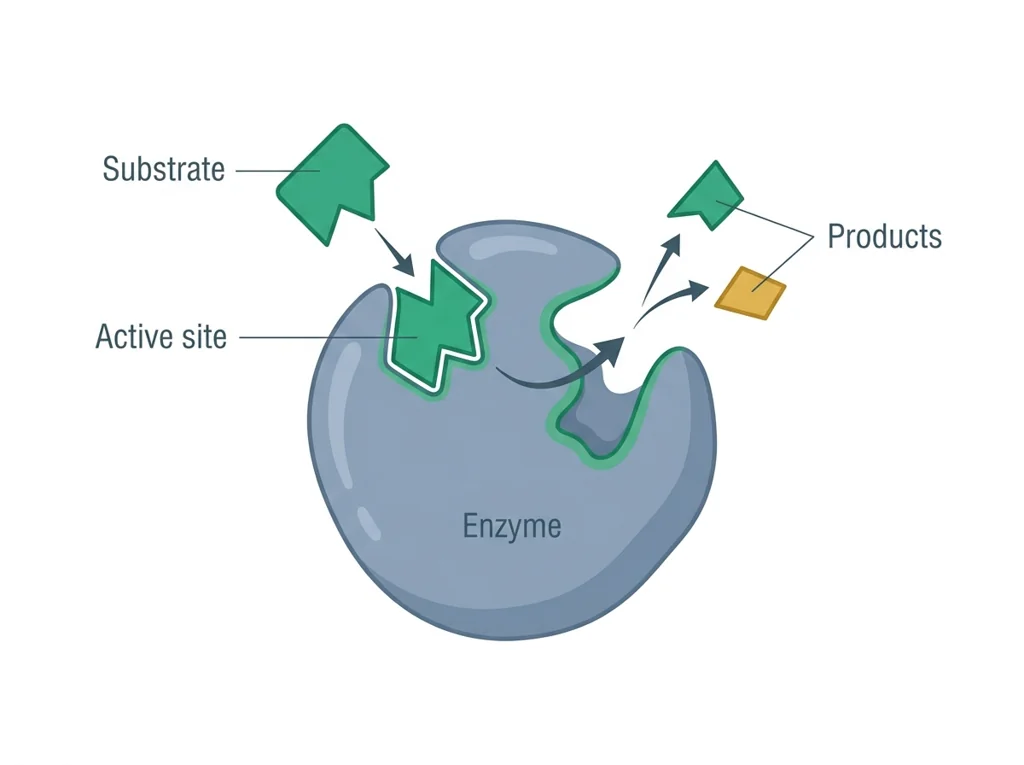
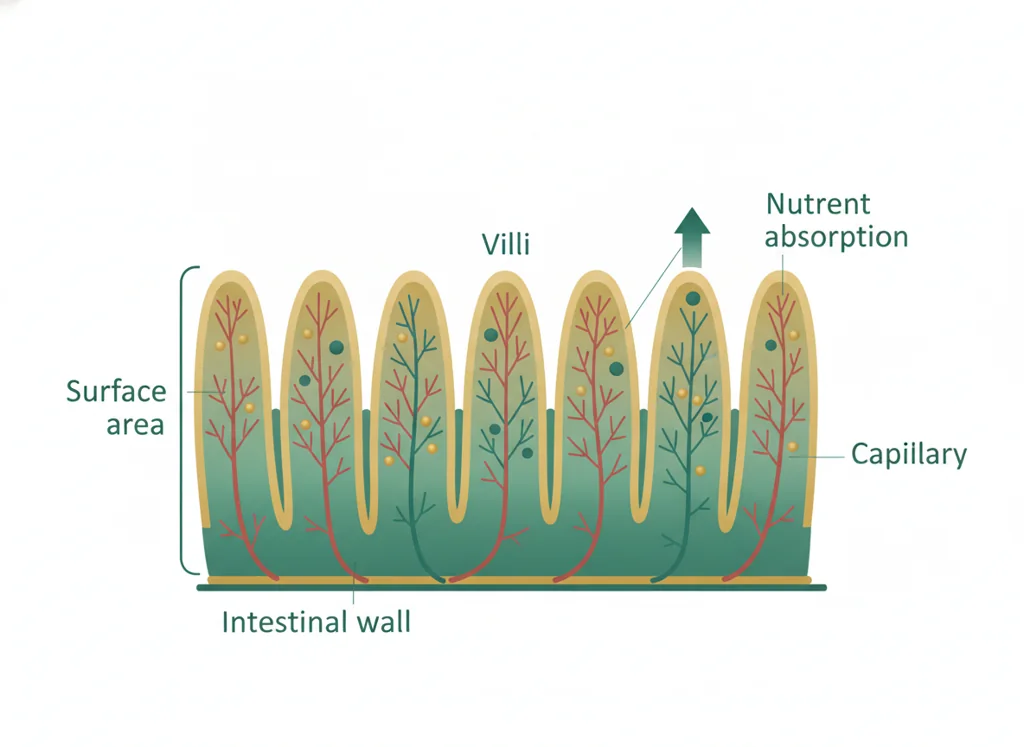
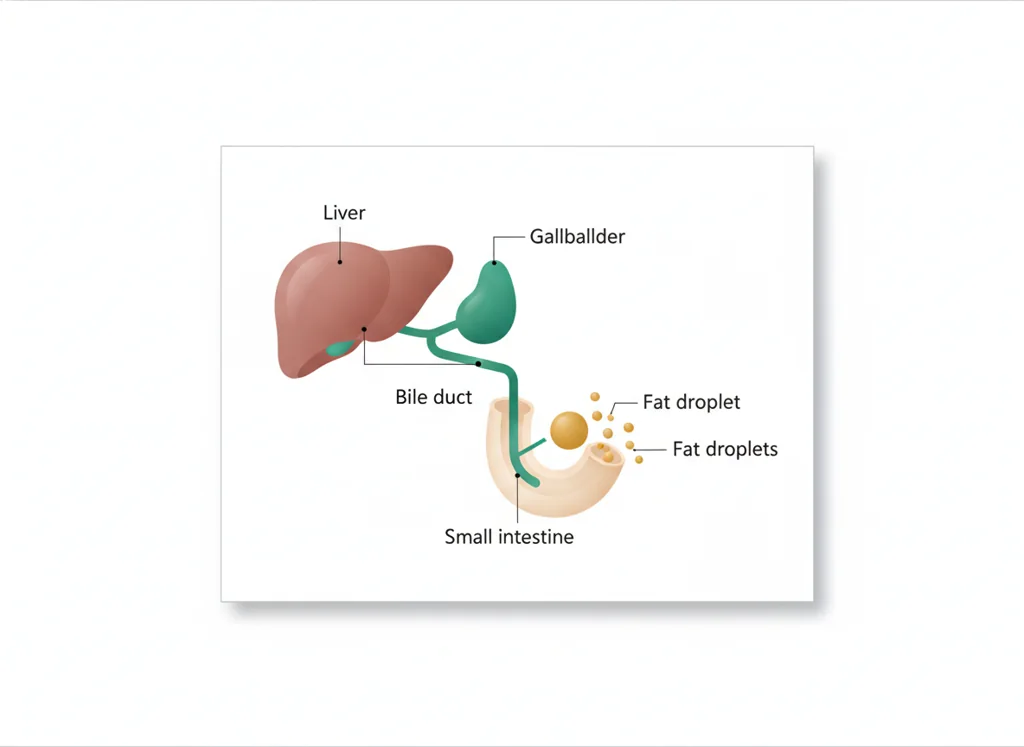
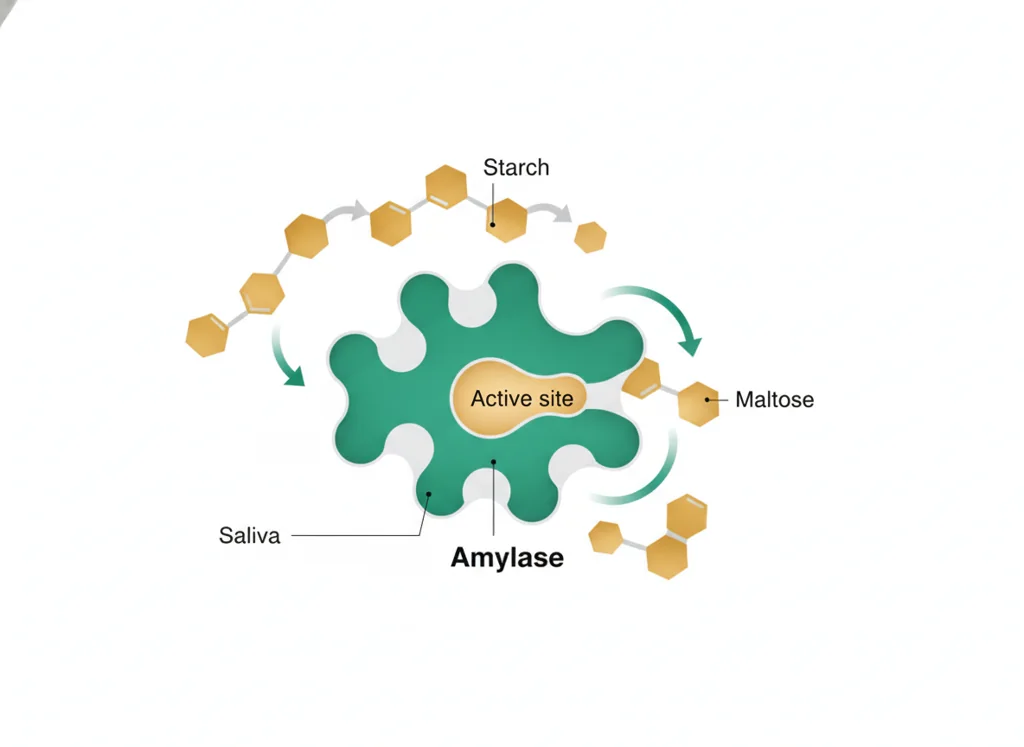
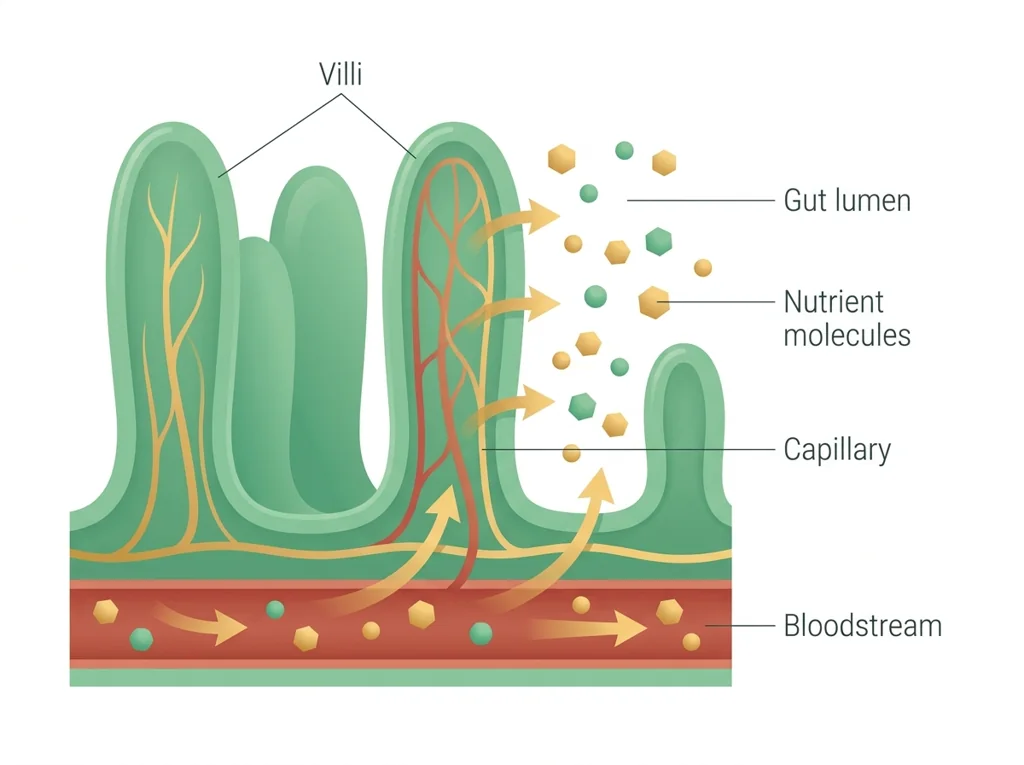
Use this model to check your own work. Match the structure and detail, but make the wording and any data your own.
Where does a turkey sandwich go?
- Mouth: teeth chop the bread and turkey (mechanical), and salivary amylase starts breaking starch into sugar (chemical).
- Stomach: muscles churn the food (mechanical) while acid and the enzyme pepsin start digesting the turkey's protein (chemical).
- Small intestine: bile from the liver breaks the mayo's fat into droplets, pancreatic enzymes finish digesting carbs, protein, and fat, and the nutrients are absorbed across the villi into the blood. This is where most digestion and absorption happen.
- Large intestine: leftover water is reabsorbed and the rest becomes waste.
Big idea: the small intestine is the main event because its villi give a huge surface area for absorption.
| Organ | What happens | Key secretion |
|---|---|---|
| Mouth | Chewing + starch digestion begins | Salivary amylase |
| Stomach | Churning + protein digestion begins | Acid, pepsin |
| Small intestine | Most digestion + nutrient absorption | Bile, pancreatic enzymes |
| Large intestine | Water reabsorption, waste formed | (mucus) |
This model shows the level of evidence and organization needed to complete: Completes the digestive-system trace: the path of food with mechanical vs chemical digestion and the absorption site identified.
- Date and label the entry.
- Record the procedure, observation, or design decision clearly.
- End with what the evidence means and the next step.
Keep the structure. Replace the question, facts, measurements, and evidence. Then recheck units, vocabulary, and whether the conclusion goes beyond the evidence.
Also due today: Submit a photo of your labeled diagram with the trace.
One exam-style question on this system. Try it before you reveal the answer, then read why each choice is right or wrong.
Tap an answer to see the full explanation. Nothing is recorded or graded.
It builds this reusable test skill: Identifying where most chemical digestion and absorption occur.
- Name the concept or data pattern being tested.
- Cross out choices that violate that rule or the evidence.
- Justify the best remaining choice before checking the answer.
Go to Schoology to turn this in. Submit one PDF. Schoology attaches your name to your upload; on the page itself, write your period and code. Name the file: FirstName LastName - Assignment Title - YYYY-MM-DD.pdf. If you cannot get in, see Mr. Mendoza. Do not skip the work.
Optional extra credit. Worth full bonus on its own; no penalty for skipping it.
Mission 2: Urinary System & Fluid Balance
Your kidneys clean the blood, remove the waste your cells make, and fine-tune how much water and salt you keep.
Goal: Explain how a filters blood and how the kidneys adjust water balance when you are dehydrated.
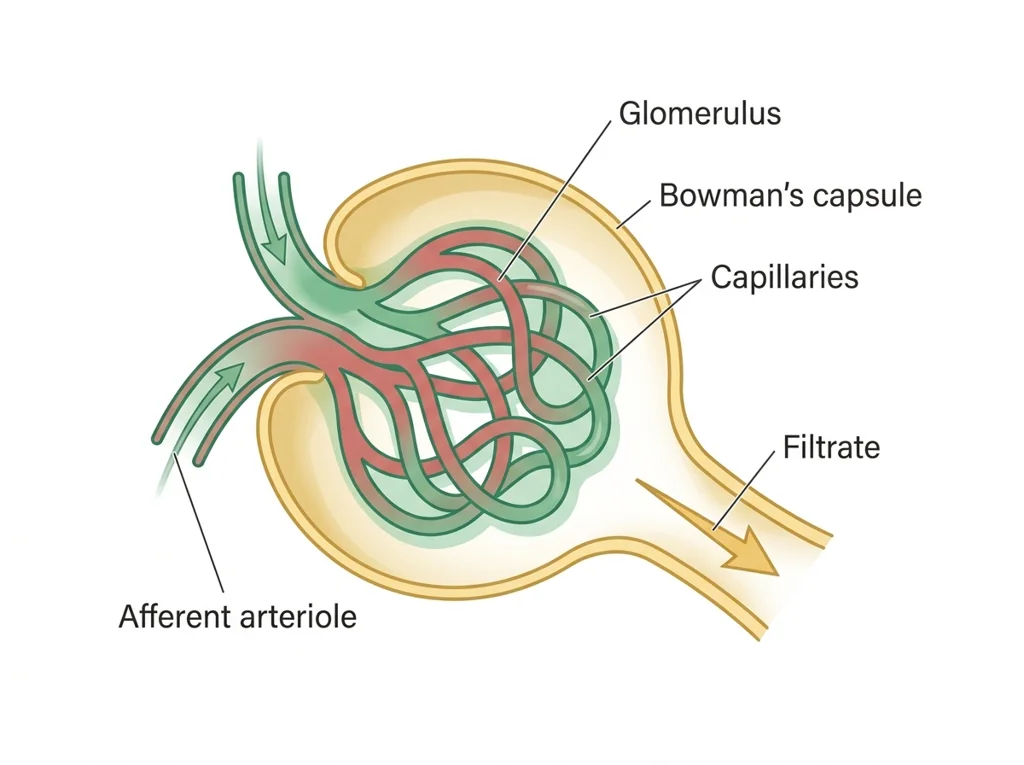
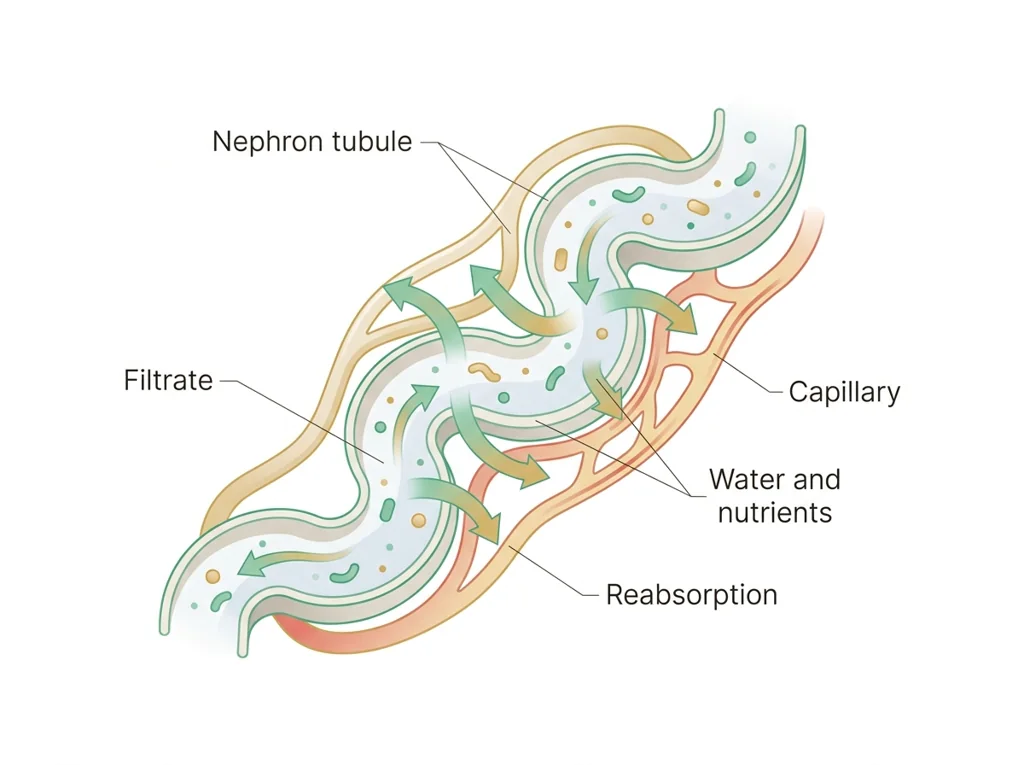
- The is the kidney's working unit. It filters blood at the , then reabsorbs the useful things (water, glucose, ions) back into the blood and secretes extra wastes.
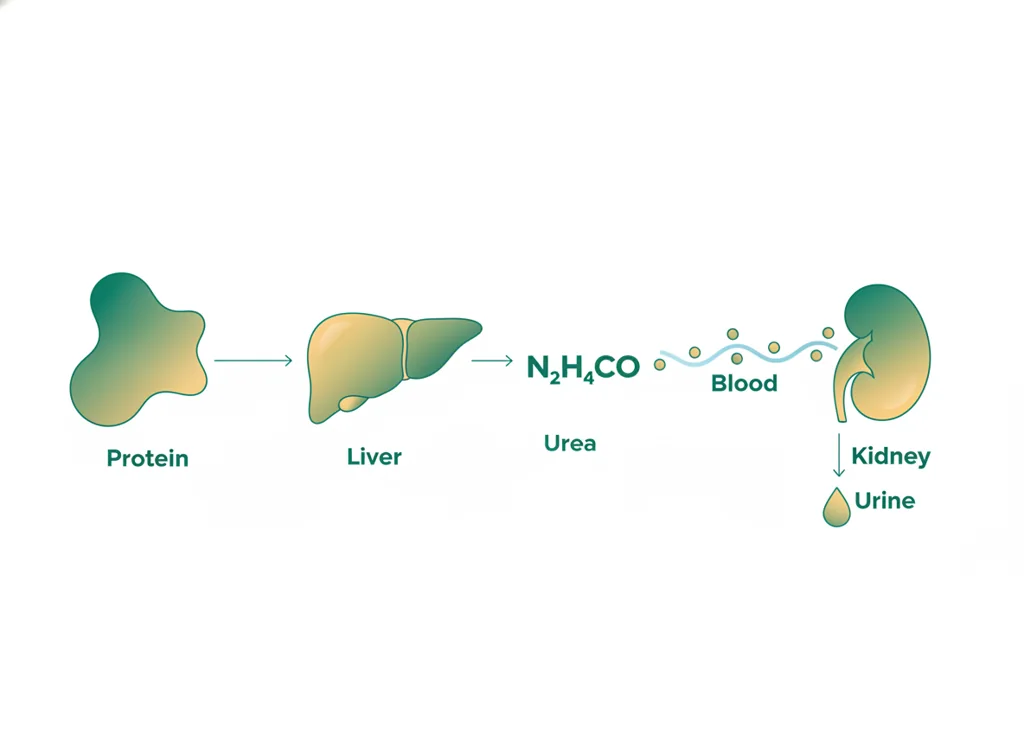
- Urea is the main nitrogen waste, made when the body breaks down .
- Path of urine: kidney to ureter to bladder to urethra.
- When you are dehydrated, the tells the kidneys to reabsorb more water, so urine becomes smaller in volume and more concentrated.
- Watch or read one explainer below.
- Draw the three steps in order: , , secretion, and label what moves at each.
- Write a short CER: claim what happens to your urine when you are dehydrated, give the evidence (), and reason through why.
- You can name the parts of the and what each does.
- You can explain vs vs secretion.
- You can connect water balance to a real situation like dehydration.
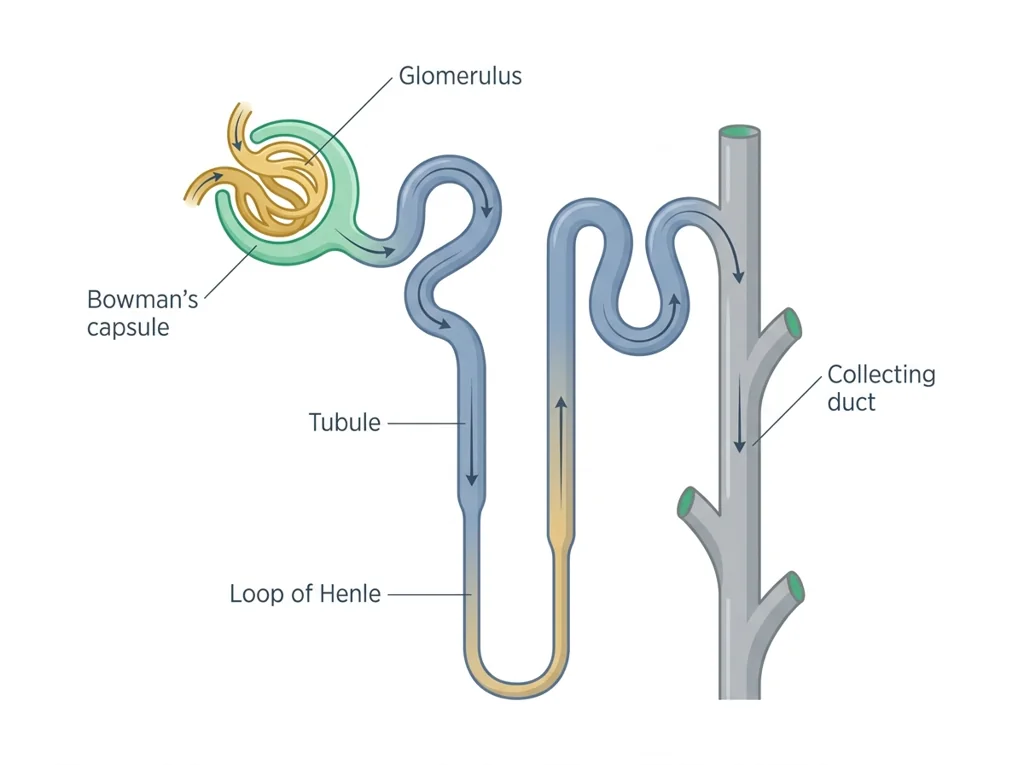
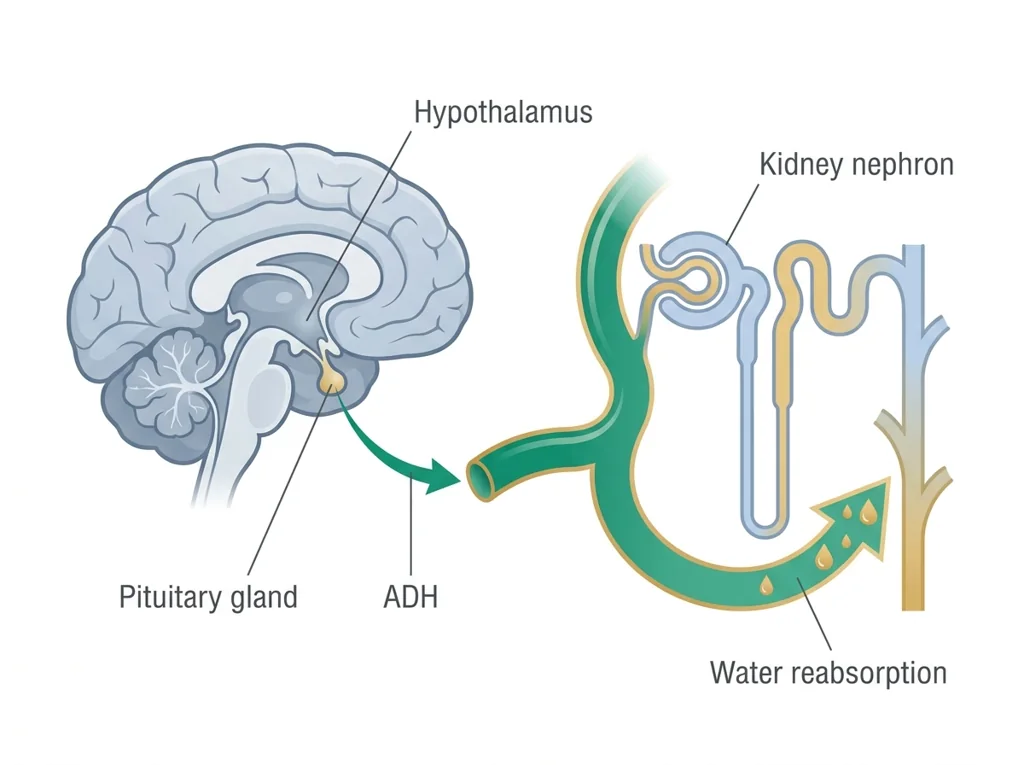
Use this model to check your own work. Match the structure and detail, but make the wording and any data your own.
Nephron steps (in order):
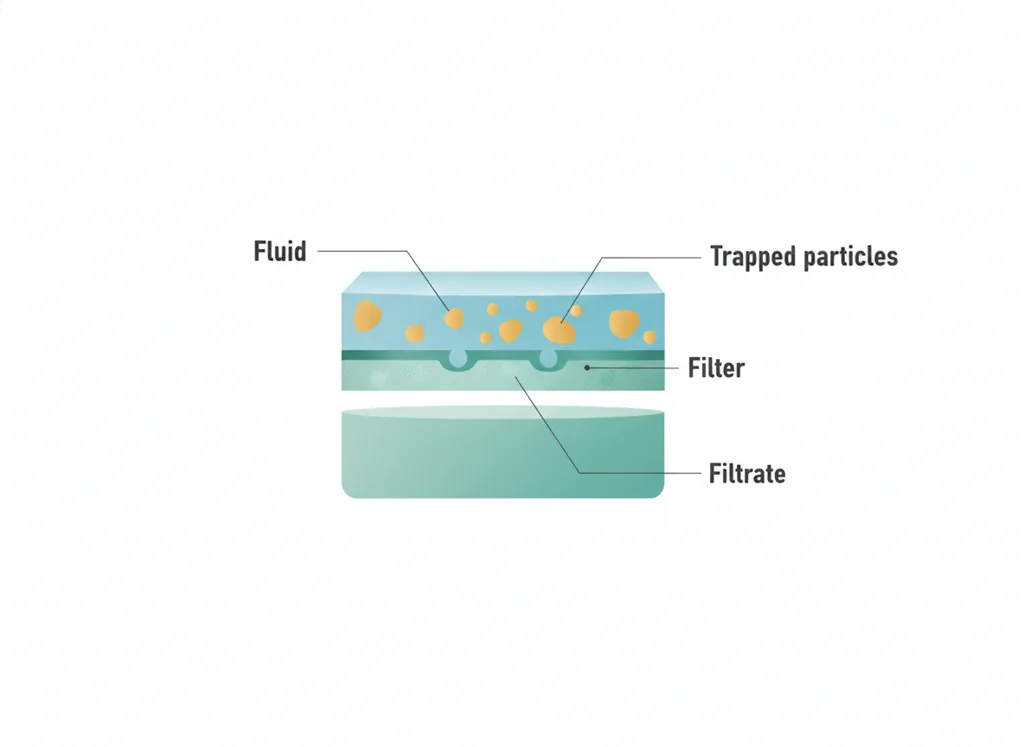
- Filtration: at the glomerulus, water and small molecules (including useful glucose and ions, plus waste urea) are pushed out of the blood into the tubule.
- Reabsorption: the tubule sends the useful things (most water, all glucose, needed ions) back into the blood.
- Secretion: a few extra wastes are added from the blood into the tubule. What stays in the tubule becomes urine.
CER (dehydration):
- Claim: When I am dehydrated, my urine becomes smaller in amount and darker (more concentrated).
- Evidence: Being low on water releases ADH, which makes the kidney tubules reabsorb more water back into the blood.
- Reasoning: If more water is pulled back into the blood, less water leaves as urine, so the urine is concentrated. This protects my blood volume and pressure.
This model shows the level of evidence and organization needed to complete: Completes the renal-function task: the nephron steps in order plus a CER on water balance during dehydration.
- Write one defensible claim.
- Choose specific evidence that supports the claim.
- Explain the scientific rule that connects the evidence to the claim.
Keep the structure. Replace the question, facts, measurements, and evidence. Then recheck units, vocabulary, and whether the conclusion goes beyond the evidence.
Also due today: Submit your nephron drawing alongside the CER.
One exam-style question on this system. Try it before you reveal the answer, then read why each choice is right or wrong.
Tap an answer to see the full explanation. Nothing is recorded or graded.
It builds this reusable test skill: Identifying the nephron step that returns useful substances to the blood.
- Name the concept or data pattern being tested.
- Cross out choices that violate that rule or the evidence.
- Justify the best remaining choice before checking the answer.
Go to Schoology to turn this in. Submit one PDF. Schoology attaches your name to your upload; on the page itself, write your period and code. Name the file: FirstName LastName - Assignment Title - YYYY-MM-DD.pdf. If you cannot get in, see Mr. Mendoza. Do not skip the work.
Optional extra credit. Pairs naturally with Mission 3 (blood), but each stands alone.
Mission 3: Blood & Hematology
Blood is a that delivers oxygen and nutrients, carries away waste, defends you, and seals leaks.
Goal: Identify the components of blood and their jobs, and read a simple blood count to spot what is off.
- is the liquid part (about 55 percent of blood) and carries nutrients, wastes, hormones, and clotting proteins.
- Red blood cells (erythrocytes) carry oxygen using the .
- White blood cells (leukocytes) defend against infection.
- Platelets are cell fragments that start clotting to stop bleeding.
- is the percent of blood made of red blood cells; low hematocrit can signal anemia.
- Watch or read one explainer below.
- Build a blood-components table: component, what of blood, and its main job.
- Read the sample blood count in the example and write one sentence on what a low red-cell count would mean for oxygen delivery.
- You can name the four main parts of blood and what each does.
- You can explain how oxygen is carried.
- You can connect a low red-cell count to a symptom like fatigue.
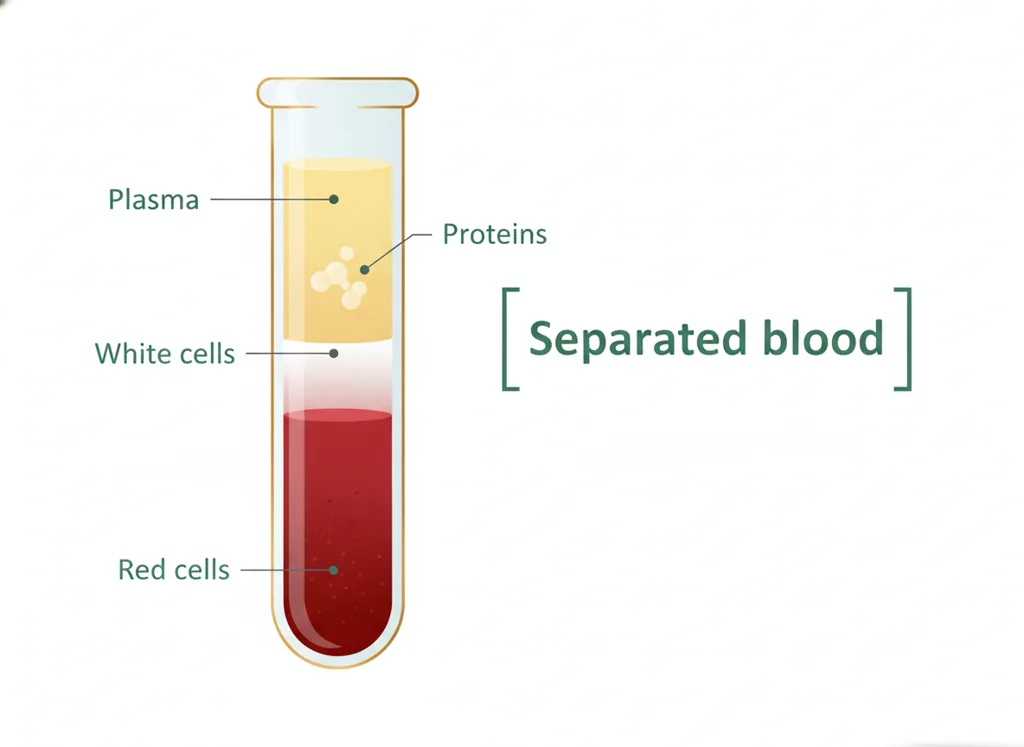
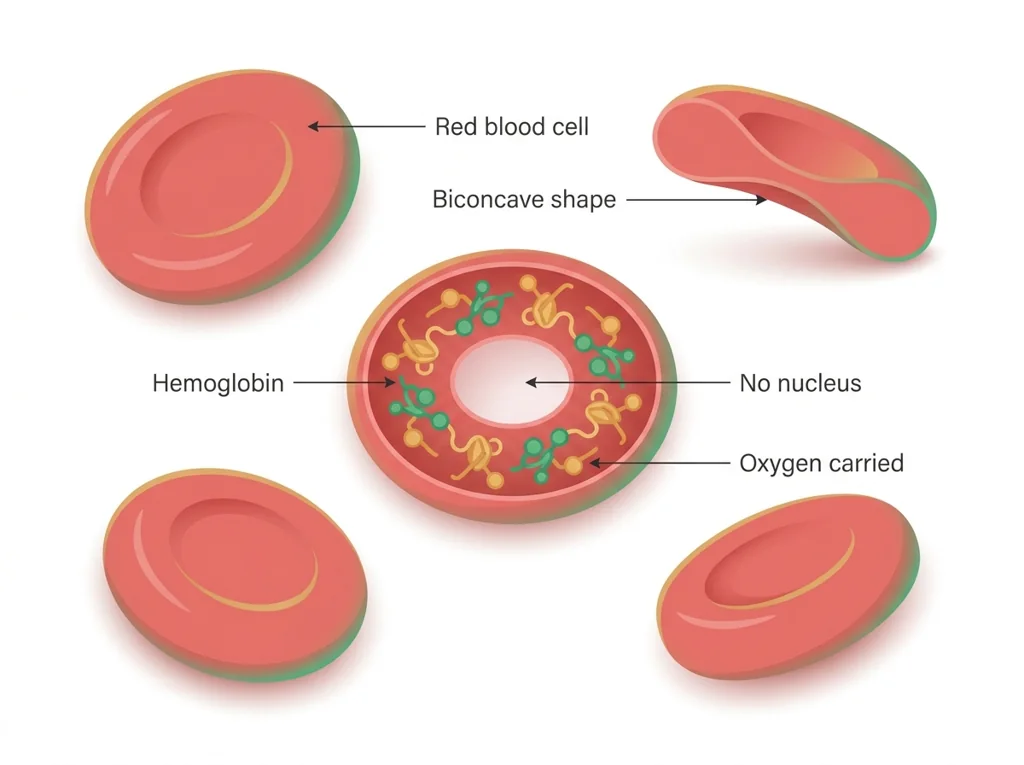
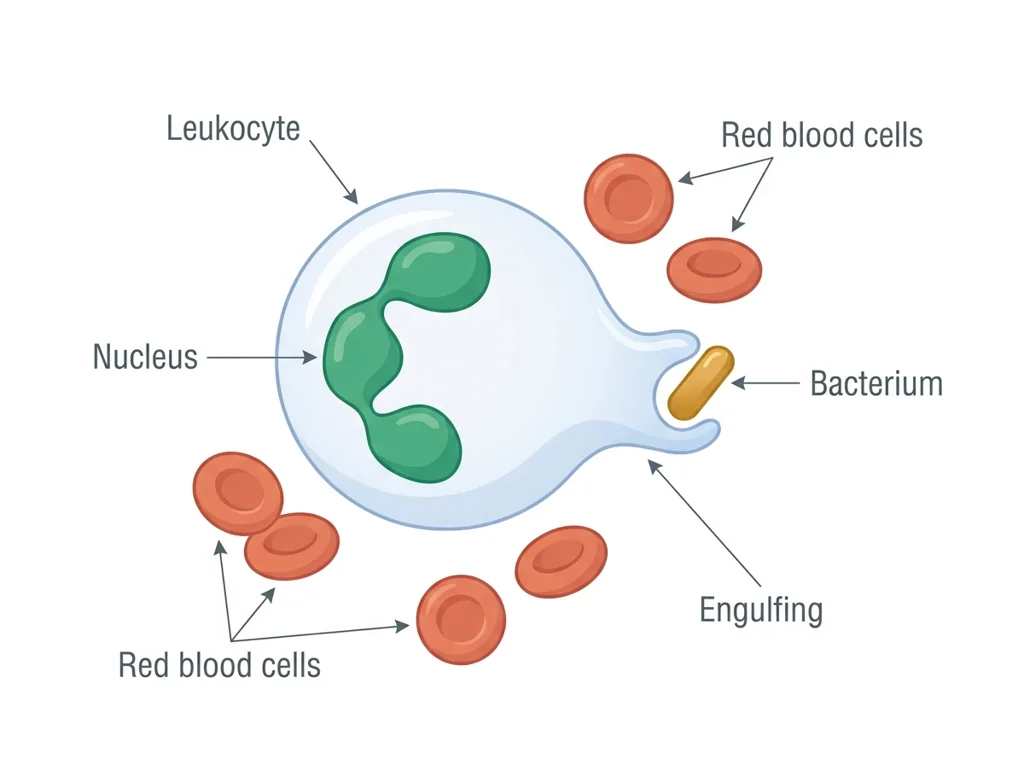
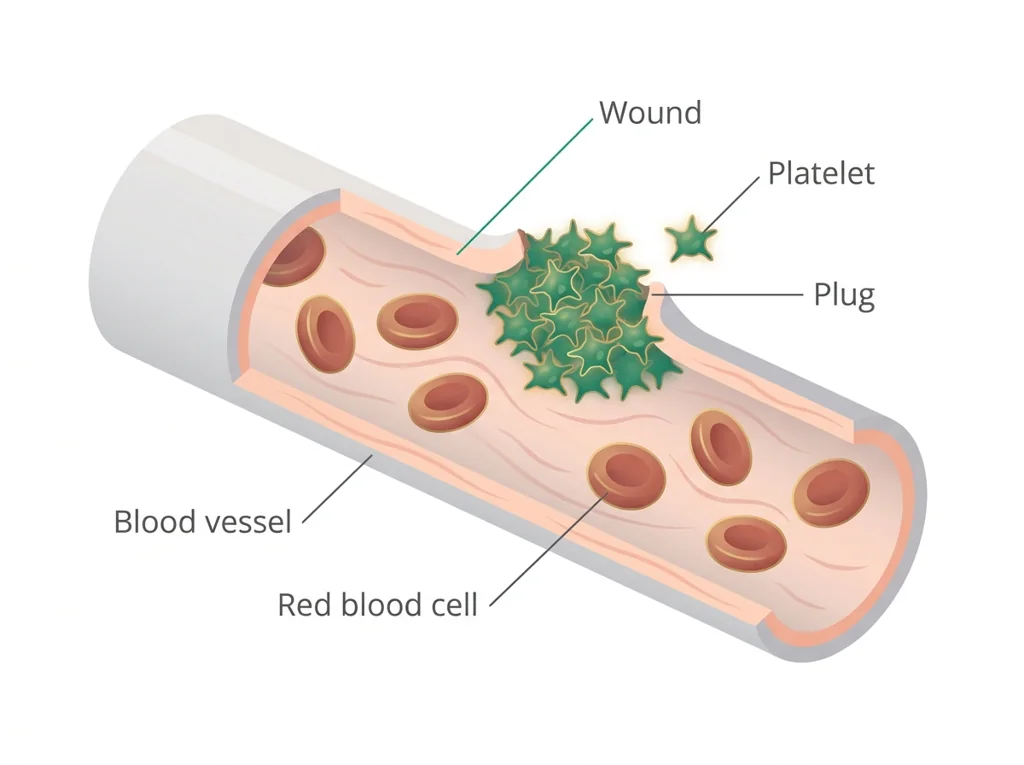
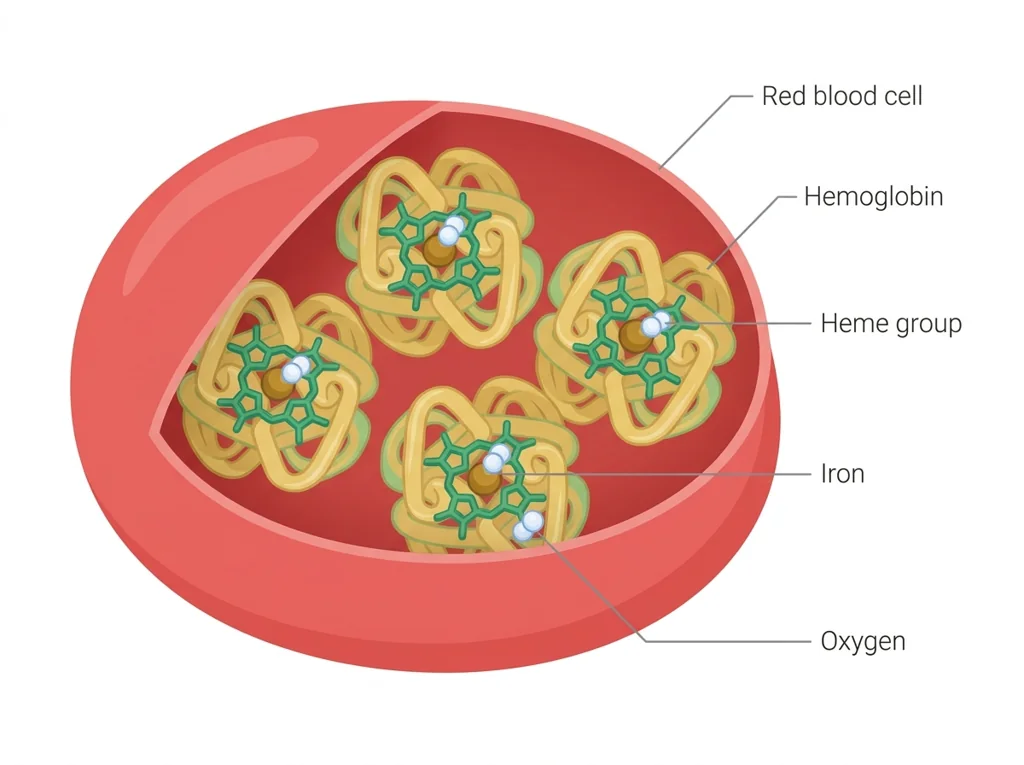
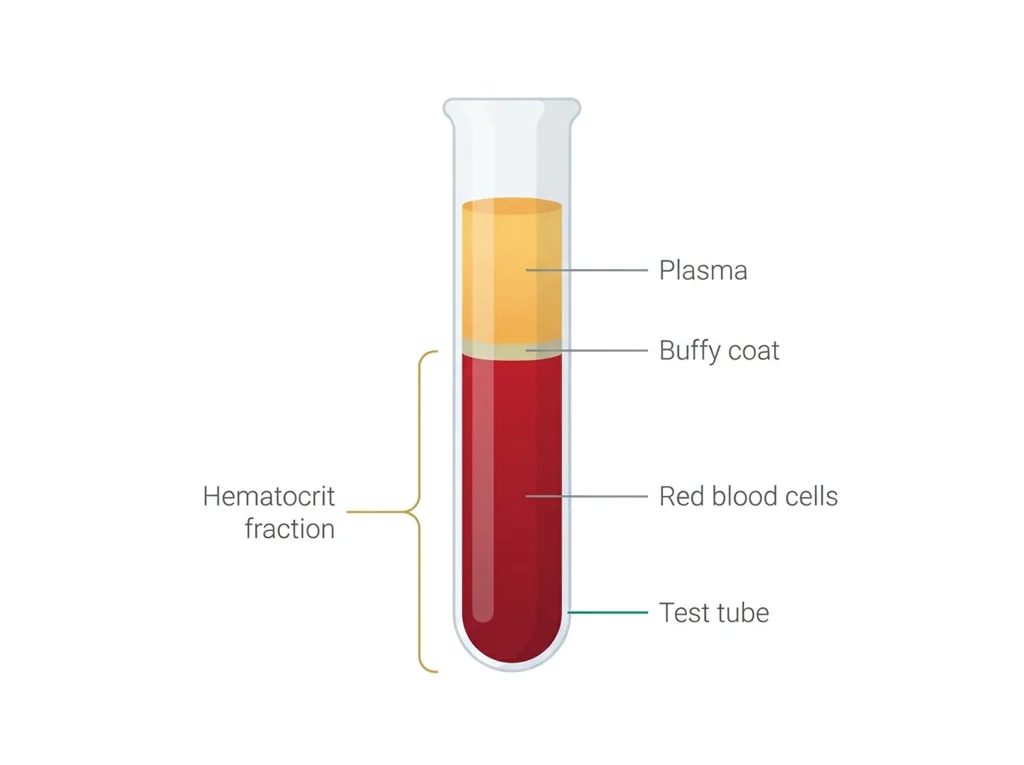
Use this model to check your own work. Match the structure and detail, but make the wording and any data your own.
The four parts of blood and what they do:
- Plasma carries dissolved nutrients, wastes, hormones, and clotting proteins.
- Red blood cells carry oxygen with hemoglobin.
- White blood cells fight infection.
- Platelets start clots to stop bleeding.
Reading the count: Patient A's red-cell count and hematocrit are below the normal range. Because red cells carry oxygen, a low count means less oxygen reaches the tissues, which is why this patient feels tired and short of breath. This pattern points to anemia.
| Component | Share of blood | Main job |
|---|---|---|
| Plasma | ~55% | Carries nutrients, wastes, hormones, clotting proteins |
| Red blood cells | ~44% | Carry oxygen (hemoglobin) |
| White blood cells | <1% | Fight infection |
| Platelets | <1% | Start blood clots |
This model shows the level of evidence and organization needed to complete: Completes the hematology task: a labeled blood-components table and a short read of a basic blood count.
- Name the variables and include units.
- Enter observations without changing the raw values.
- Check labels, calculations, and patterns before interpreting the data.
Keep the structure. Replace the question, facts, measurements, and evidence. Then recheck units, vocabulary, and whether the conclusion goes beyond the evidence.
Also due today: Submit your completed components table and the one-sentence interpretation.
One exam-style question on this system. Try it before you reveal the answer, then read why each choice is right or wrong.
Tap an answer to see the full explanation. Nothing is recorded or graded.
It builds this reusable test skill: Matching a blood component to its function (oxygen transport).
- Name the concept or data pattern being tested.
- Cross out choices that violate that rule or the evidence.
- Justify the best remaining choice before checking the answer.
Go to Schoology to turn this in. Submit one PDF. Schoology attaches your name to your upload; on the page itself, write your period and code. Name the file: FirstName LastName - Assignment Title - YYYY-MM-DD.pdf. If you cannot get in, see Mr. Mendoza. Do not skip the work.
Optional extra credit. Connects back to the heart and lungs you studied in class.
Mission 4: Homeostasis Capstone
No system works alone. Your body holds its internal conditions steady by having systems work together through feedback loops.
Goal: Trace how several body systems work together to keep you stable during a challenge, using .
- is keeping internal conditions (temperature, blood sugar, water, oxygen) within a stable range.
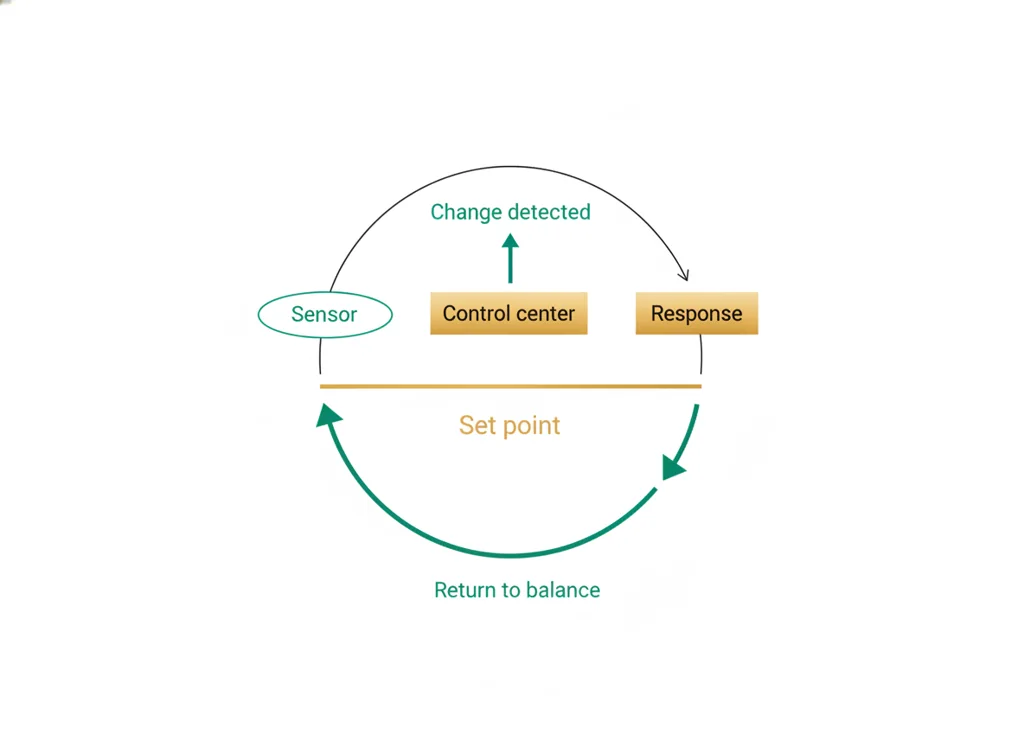
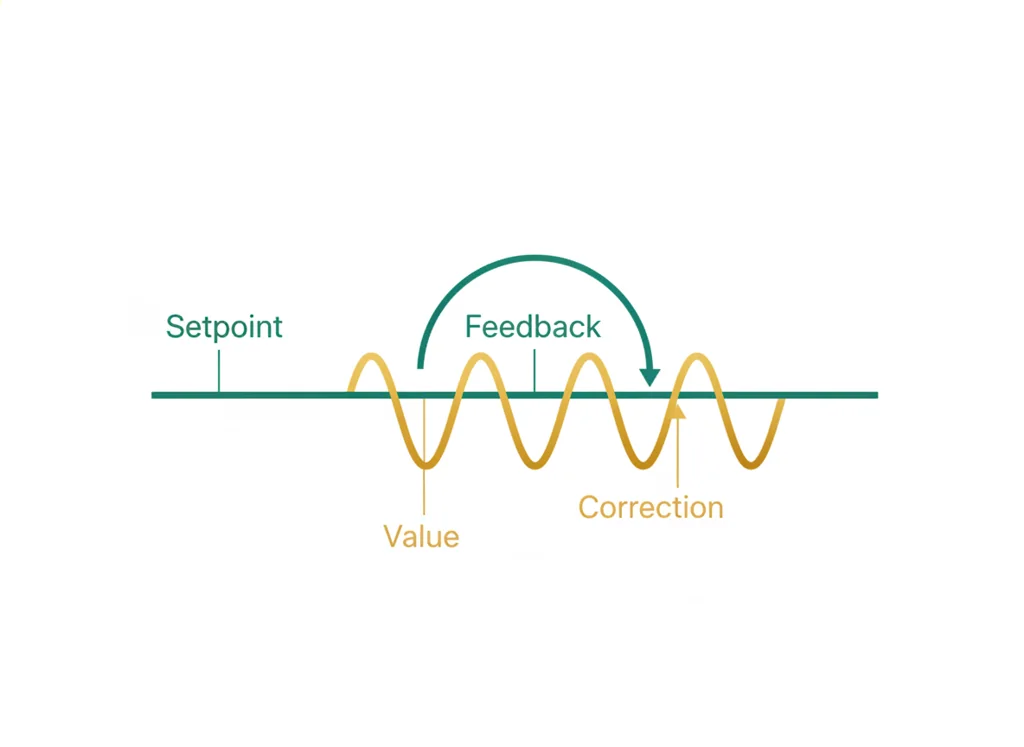
- Most uses : a change is detected, and the body responds to push the condition back toward its .
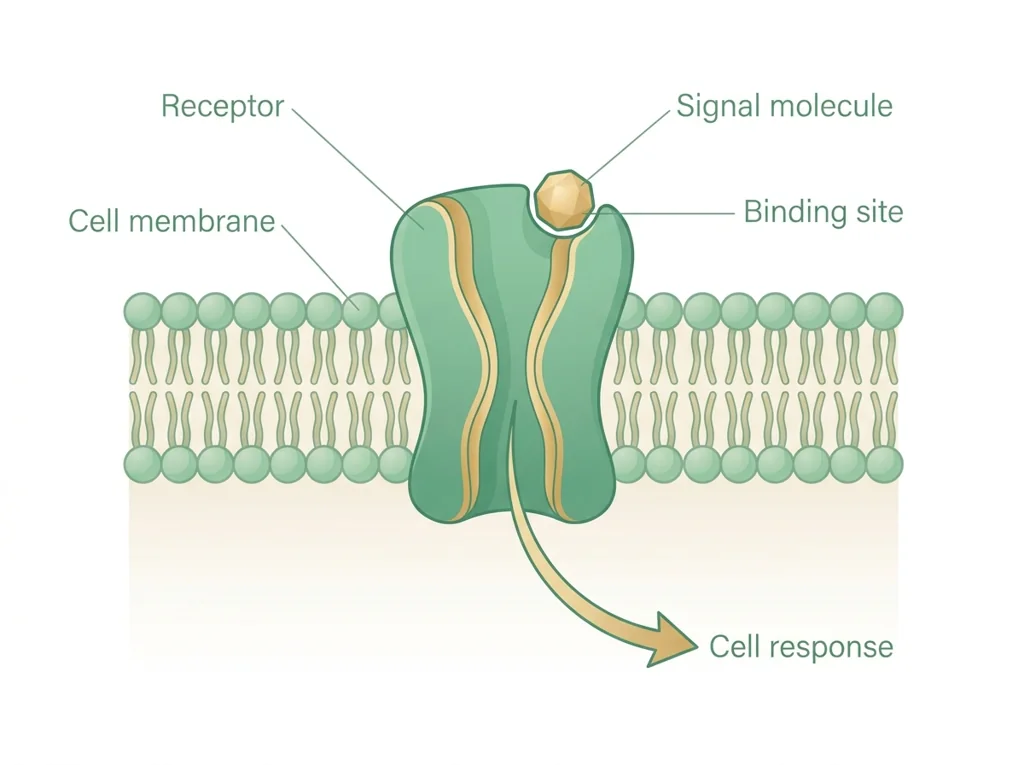
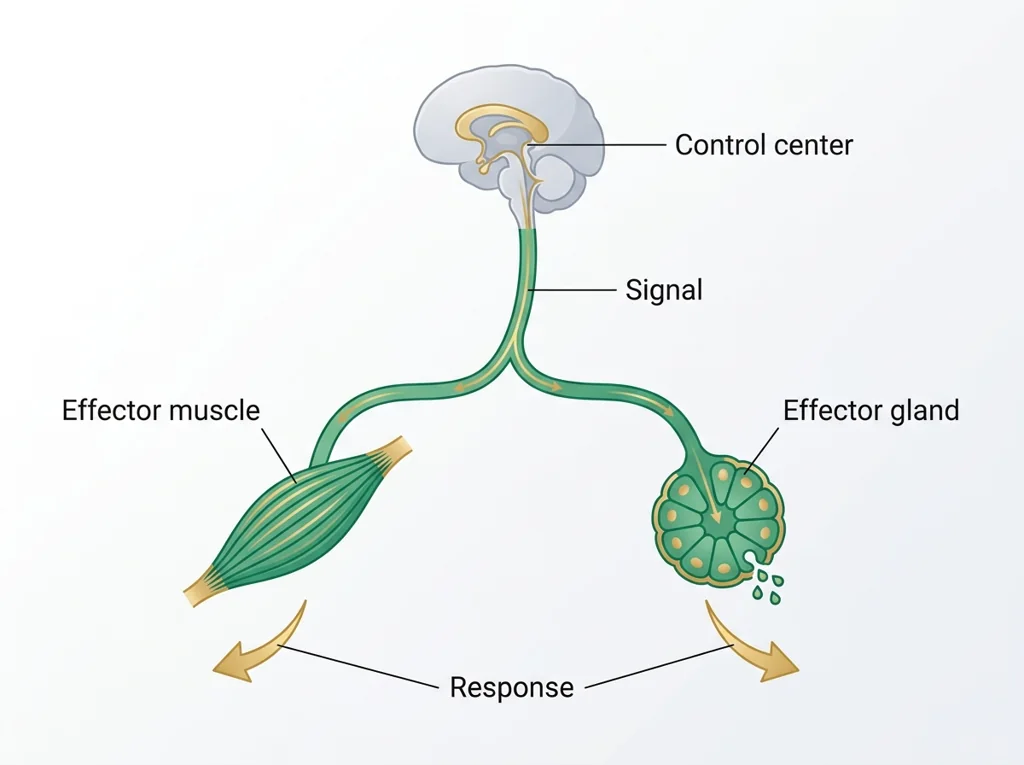
- A loop has a , a that detects it, a control center, an that acts, and a response that reverses the change.
- During exercise, the respiratory, cardiovascular, muscular, and urinary systems all adjust together to keep oxygen, temperature, and water in balance.
- Pick one challenge: a one-mile run, getting dehydrated, or getting cold.
- Map how at least three body systems respond to keep you stable, and label each response as .
- Write a short synthesis paragraph tying the systems together: this is the capstone that connects everything we studied.
- You can define and .
- You can label the parts of a .
- You can explain how three or more systems cooperate during one challenge.
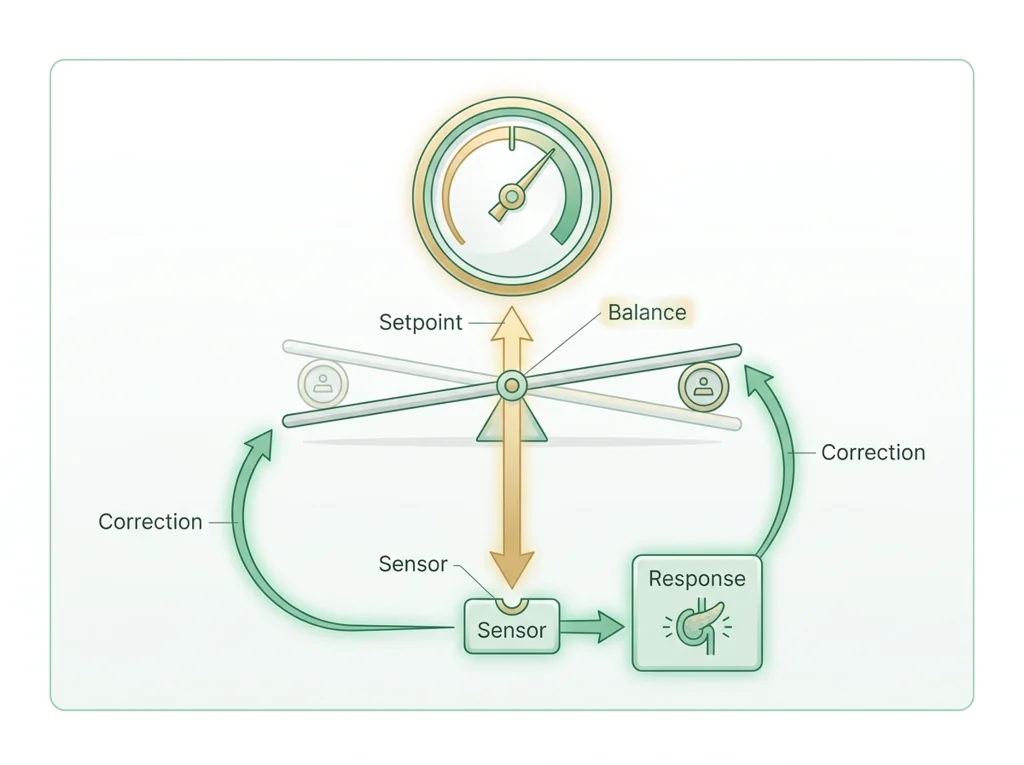
Use this model to check your own work. Match the structure and detail, but make the wording and any data your own.
Challenge: a one-mile run.
How three systems keep me stable:
- Respiratory: I breathe faster and deeper to bring in more oxygen and blow off the extra carbon dioxide my muscles make.
- Cardiovascular: my heart beats faster to deliver that oxygen and glucose to the working muscles and to carry heat to the skin.
- Integumentary and urinary: I sweat to cool down (cooling is negative feedback on rising temperature), and my kidneys hold on to water so I do not lose too much blood volume.
Synthesis: Each response is negative feedback. My body senses a change (low oxygen, rising heat, water loss) and acts to reverse it, pulling each condition back toward its setpoint. No single system could do this alone; staying alive during the run depends on them working together.
This model shows the level of evidence and organization needed to complete: Completes the Unit 6 capstone: a synthesis showing how multiple systems hold the body stable, with a labeled negative feedback loop.
- State the question and method.
- Present the observations and data with units.
- Explain the result, limitations, and next investigation.
Keep the structure. Replace the question, facts, measurements, and evidence. Then recheck units, vocabulary, and whether the conclusion goes beyond the evidence.
Also due today: Submit your system map and synthesis paragraph. This is the capstone, so make it your best work.
One exam-style question on this system. Try it before you reveal the answer, then read why each choice is right or wrong.
Tap an answer to see the full explanation. Nothing is recorded or graded.
It builds this reusable test skill: Recognizing negative feedback across body systems.
- Name the concept or data pattern being tested.
- Cross out choices that violate that rule or the evidence.
- Justify the best remaining choice before checking the answer.
Go to Schoology to turn this in. Submit one PDF. Schoology attaches your name to your upload; on the page itself, write your period and code. Name the file: FirstName LastName - Assignment Title - YYYY-MM-DD.pdf. If you cannot get in, see Mr. Mendoza. Do not skip the work.
Optional extra credit and the project's capstone. Strongest payoff for the WebXam's 'evaluate body systems' questions.
Pick the rubric that matches how you worked. The science bar is the same for both; the group rubric just adds a teamwork score. Each criterion is worth up to 4 points.
Each mission is scored out of 16 (four criteria, 4 points each). This is extra credit, so the goal is to show what you learned.
| Criterion | Exemplary (4) | Proficient (3) | Developing (2) | Beginning (1) |
|---|---|---|---|---|
| Science accuracy | All of the science is correct and precise, with no errors. | The science is correct, with at most one small slip. | Several ideas are partly correct, but there are some clear errors. | Major errors, or key ideas are missing. |
| Completeness | Every required part is present and thorough (diagram or table AND the write-up). | All parts are present; one is a little thin. | A required part is missing or very thin. | Most required parts are missing. |
| Structure (uses the example) | Clearly follows the worked example's structure and puts it in your own words. | Follows the structure of the worked example. | Loosely follows the structure. | Does not follow the structure. |
| Clarity and vocabulary | Clear and well organized; key terms are used correctly throughout. | Clear; key terms are mostly used correctly. | Some parts are unclear, or some vocabulary is misused. | Hard to follow; key vocabulary is missing or incorrect. |
Each mission is scored out of 20 (five criteria, 4 points each). Submit one shared product plus a one-line contribution note from each member.
| Criterion | Exemplary (4) | Proficient (3) | Developing (2) | Beginning (1) |
|---|---|---|---|---|
| Science accuracy | All of the science is correct and precise, with no errors. | The science is correct, with at most one small slip. | Several ideas are partly correct, but there are some clear errors. | Major errors, or key ideas are missing. |
| Completeness | Every required part is present and thorough (diagram or table AND the write-up). | All parts are present; one is a little thin. | A required part is missing or very thin. | Most required parts are missing. |
| Structure (uses the example) | Clearly follows the worked example's structure and puts it in your own words. | Follows the structure of the worked example. | Loosely follows the structure. | Does not follow the structure. |
| Clarity and vocabulary | Clear and well organized; key terms are used correctly throughout. | Clear; key terms are mostly used correctly. | Some parts are unclear, or some vocabulary is misused. | Hard to follow; key vocabulary is missing or incorrect. |
| Collaboration and shared contribution | Clear evidence every member contributed; roles are named and the product reads as one cohesive piece. | All members contributed and the product is cohesive. | Contribution was uneven, or the product feels stitched together from separate parts. | One person did most of the work, or the contribution notes are missing. |