Writing Research Proposals
Plan an investigation on paper first: state the question, give background, propose methods, and argue that the study is both feasible and worth doing.
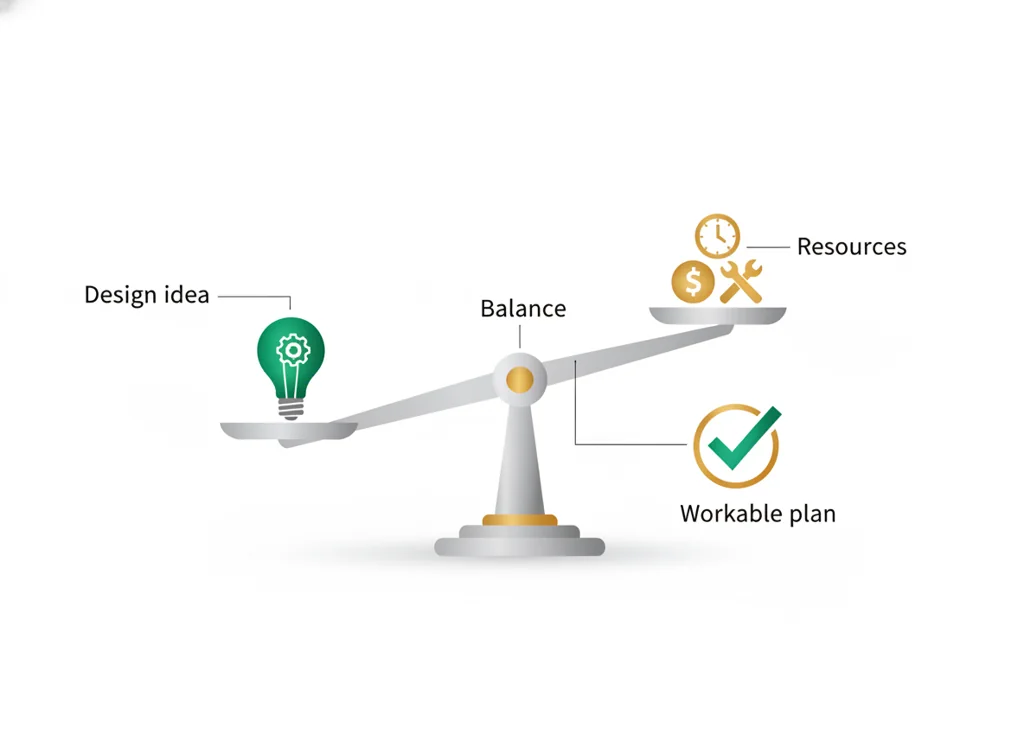
Before anyone runs an experiment or spends a dollar, they usually have to write a proposal that convinces a reader the study is worth doing and can actually be done. A proposal is written in the future tense: it states the question or problem, gives background, offers a hypothesis, describes the methods you WILL use, predicts expected outcomes, and explains the significance (why it matters). Two tests decide its fate: is it feasible (can you really do it with your time, tools, and skills?) and is it significant (would the answer matter to anyone?). Scientists write grant proposals to fund their labs, engineers write design proposals to win a project, doctors write research protocols before a clinical trial can begin, and public health workers write proposals to launch a screening program. Learn to write one that is testable, feasible, and clearly significant, and you turn a vague idea into a plan people will approve.
- Common Core · WHST.9-10.2Write informative and explanatory texts that clearly convey a topic, using organized sections and precise scientific language.
- Common Core · WHST.9-10.7Conduct short research projects to answer a question, narrowing or broadening the inquiry so it is focused and answerable.
- NGSS · SEP-1Asking Questions and Defining Problems: ask a testable question and define an investigation that can realistically be carried out.
- Ohio · Ohio ELA W.9-10.2Write clear explanatory texts that organize ideas and support a topic with relevant, well-chosen detail.
- AP · AP Bio SP 3Design an experimental or investigative procedure to test a hypothesis, including a feasible plan for collecting data.
- Tell a testable question from an opinion: A proposal is built on a question you can answer with measurable evidence, so students must first spot what is testable.
- Name an independent and dependent variable: Proposed methods only make sense once students can say what they will change and what they will measure.
- Write a plan in the future tense: A proposal describes what you WILL do; students need to write plans, not reports of finished work.
Prerequisites are inferred: pending teacher review.
Re-learn the skill with worked practice and clear examples.
Build the two parts that decide a proposal's fate. First, start from a testable question: variables you can measure and change, not an opinion. Then check the plan for the parts a reader needs, especially significance (why it matters) and feasibility (can it be done). Use the section table below and follow the worked model.
| Question | Testable? |
|---|---|
| Which soap is the best? | No (opinion, nothing to measure) |
| Does soap A or B remove more bacteria? | Yes (change soap, measure bacteria) |
| Section | Its one job |
|---|---|
| Question/Problem | States what you will study |
| Background | Gives prior information |
| Hypothesis | Predicts the answer |
| Proposed methods | Plans the steps (future tense) |
| Expected outcomes | Predicts what you will find |
| Significance | Says why it matters and who benefits |
You are starting a proposal. Which is the best TESTABLE question to build it on?
Reviewed- A.Does washing with soap A or soap B remove more bacteria from hands?
- B.Should everyone use soap A?
- C.Is soap A better than soap B?
- D.Why do people like soap A more than soap B?
Show the worked solution ▾
Answer: A. Does washing with soap A or soap B remove more bacteria from hands?
- Step 1: Testable means measurable and comparable: Look for a variable you can change (which soap) and one you can measure (bacteria removed).
- Step 2: Compare options: Only 'Does washing with soap A or soap B remove more bacteria from hands?' can be answered by collecting data; the others rely on opinion or preference.
Why it's right: A testable question compares a variable you change (soap A vs B) with an outcome you can measure (bacteria removed), which this question does.
- B: 'Should everyone' asks for a recommendation, not a measurable comparison.
- C: 'Better' is not defined or measured, so this is an opinion, not testable.
- D: This asks about feelings (why people like it), which is a preference, not a measurable outcome.
Aligned to NGSS SEP-1: ask a testable question · reading level ~grade 9
Using the section table, read this proposal draft: 'Question: Does disinfectant reduce desk bacteria? Background: desks carry germs. Hypothesis: disinfectant will lower bacteria. Methods: we will swab 20 desks, culture 48 hours, and count colonies. Expected outcomes: treated desks grow fewer colonies.' Which required section is MISSING?
Reviewed| Section | Present in draft? |
|---|---|
| Question/Problem | Yes |
| Background | Yes |
| Hypothesis | Yes |
| Proposed methods | Yes |
| Expected outcomes | Yes |
| Significance | ? |
- A.Hypothesis
- B.Significance (why it matters)
- C.Proposed methods
- D.Nothing; the proposal is complete
Show the worked solution ▾
Answer: B. Significance (why it matters)
- Step 1: Match each sentence to a section: The draft has a question, background, hypothesis, methods, and expected outcomes.
- Step 2: Find the empty row: No sentence says why the answer matters or who benefits, so the significance section is missing.
Why it's right: Every section is present except significance; no sentence explains why the answer matters or who would use it, so significance is missing.
- A: The hypothesis is present ('disinfectant will lower bacteria').
- C: The methods are present ('swab 20 desks, culture 48 hours, count colonies').
- D: It is not complete; the significance section is absent.
Aligned to Common Core WHST.9-10.2: include all required sections · reading level ~grade 9
A student's proposal question is testable, but the plan says: 'We will test the drinking water in every home in Cleveland this weekend and run DNA tests on each sample.' What is the main problem with this proposal?
Reviewed- A.It is missing a hypothesis.
- B.It uses the future tense.
- C.It is not feasible: a student cannot test every home in a city in one weekend with DNA tests.
- D.The question is not testable.
Show the worked solution ▾
Answer: C. It is not feasible: a student cannot test every home in a city in one weekend with DNA tests.
- Step 1: Ask if the plan fits real limits: Feasibility means the plan fits the time, money, tools, and skills you actually have.
- Step 2: Name the mismatch: Every home in a city, in one weekend, with DNA tests, is far beyond a student's time and resources, so the plan is not feasible.
Why it's right: The plan far exceeds a student's time, tools, and budget, so its main weakness is that it is not feasible.
- A: The problem is the scale of the plan, not a missing hypothesis; feasibility is what fails here.
- B: Future tense is correct for a proposal, so it is not the problem.
- D: The stem says the question is already testable, so that is not the problem.
Aligned to AP Bio SP 3: design a feasible procedure · reading level ~grade 9
- A student rewrites 'Which vitamin is best?' into a testable comparison before starting a proposal.
- A lab group checks a draft against the six-section table and adds the significance sentence it was missing.
- A team shrinks 'test every home in the city' down to '30 homes in our neighborhood' so the plan becomes feasible.
Fill these in as you work through the lesson.
- Testable question (measurable, comparable, not an opinion):
- Proposed methods (the steps you WILL do, in future tense):
- Feasibility (can it be done with your time, tools, and budget):
- Significance (why it matters and who benefits):
A proposal is written in the tense; it must be (a plan that can be done) and (worth doing because the answer matters).
- Rewrite the opinion question 'Which soap is best?' as a testable question.
- Read a draft against the six sections and name any that are missing.
- Write one significance sentence that says who would benefit from your study's answer.
Fix this proposal: Question 'Which cleaner is best?' Plan: 'test every hospital in the state this weekend.' Testable question: ____. Feasible plan: ____. Significance: ____.
The vocabulary of this topic, shown in the way you will meet it.
| Question | Testable? |
|---|---|
| Which soap is the best? | No (opinion, no measure) |
| Does soap A or soap B remove more bacteria? | Yes (measurable, comparable) |